Discover the Power of Chinese Kung Fu
A Timeless Martial Art that Blends Spirit, Strength, and Culture
Introduction to Chinese Kung Fu
Chinese Kung Fu, also known as Wushu or traditional Chinese martial arts, is a profound and ancient practice that combines physical combat techniques with philosophy, spirituality, and artistic expression. With a history spanning over 4,000 years, Kung Fu is more than just self-defense — it embodies the wisdom of Chinese civilization.
Rooted in Confucianism, Taoism, and Buddhism, Chinese Kung Fu emphasizes balance, discipline, respect, and inner peace. Its diverse styles—ranging from the explosive strikes of Shaolin Kung Fu, to the gentle flowing movements of Tai Chi—reflect the rich regional and cultural diversity of China.
Today, Kung Fu continues to influence global fitness, cinema, and wellness, offering travelers not only thrilling performances and immersive learning experiences, but also a deeper understanding of Chinese philosophy and way of life.
Types of Kung Fu
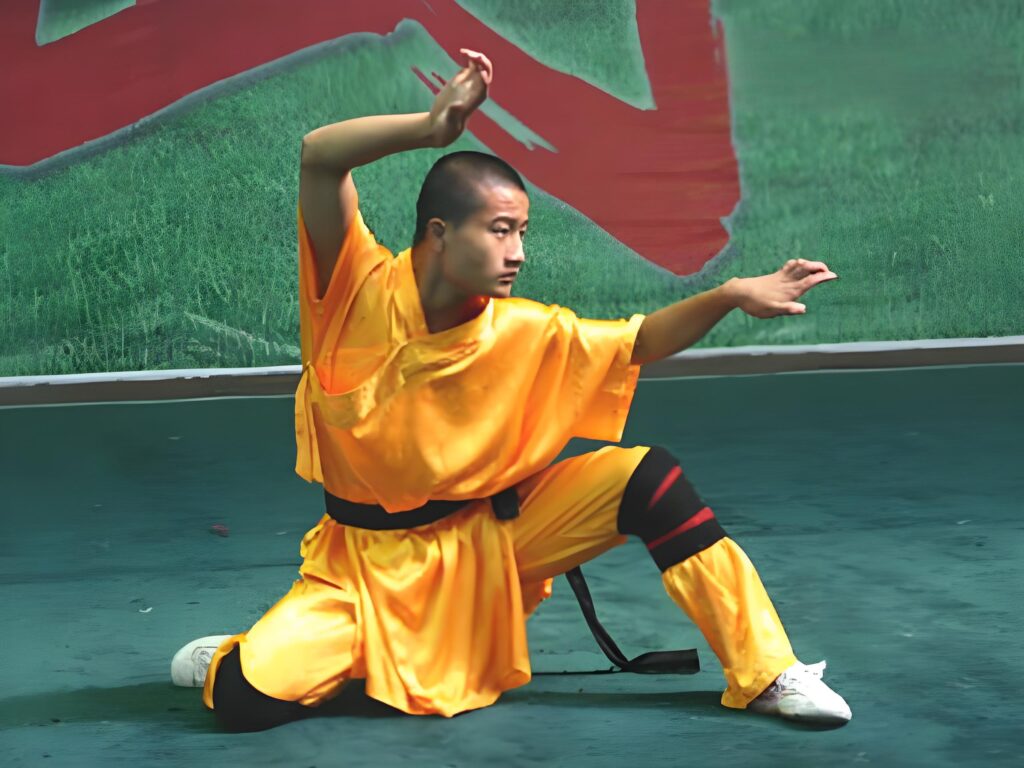
Shaolin Kung Fu
Originated from Henan, known for hard styles and acrobatics.
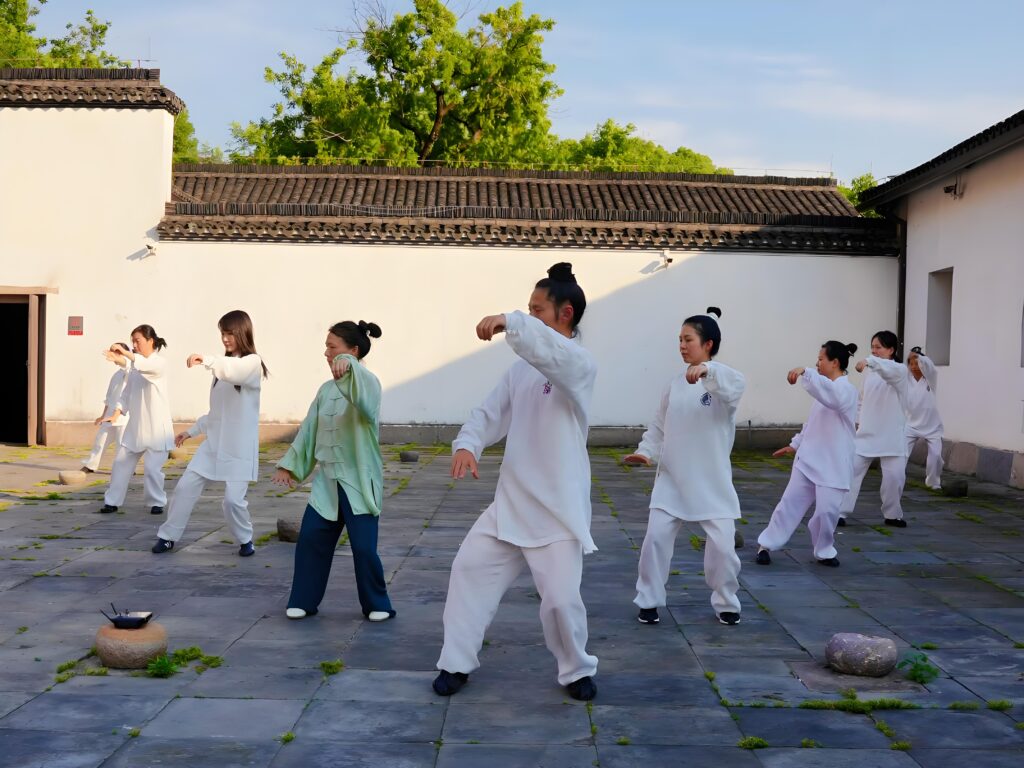
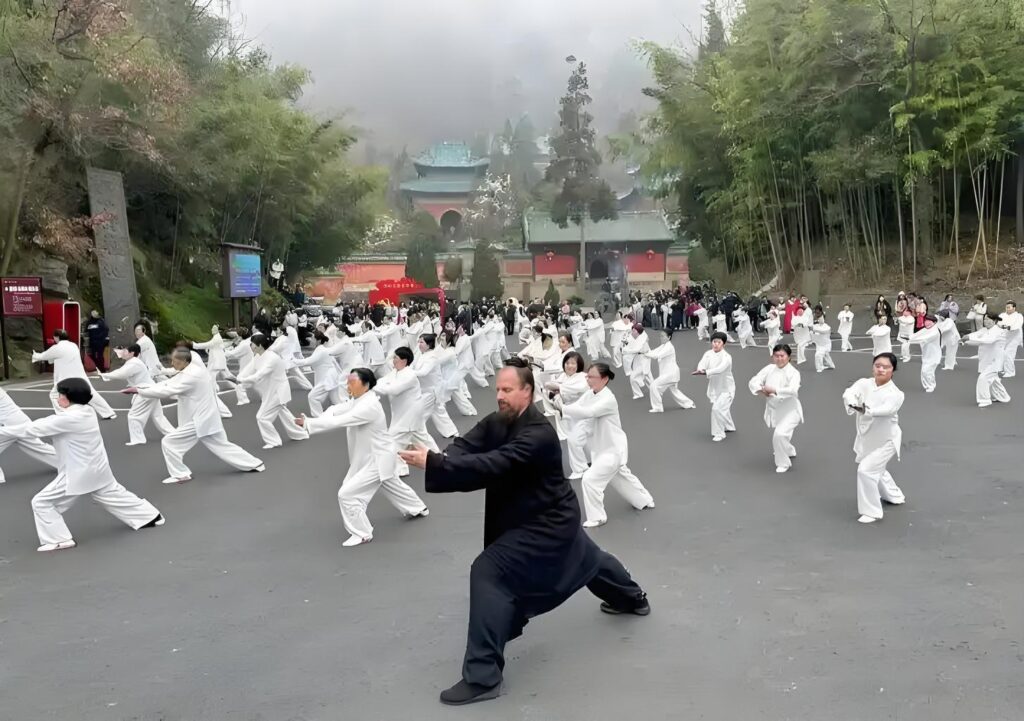
Tai Chi (Taiji)
A slow, meditative martial art often practiced in parks.
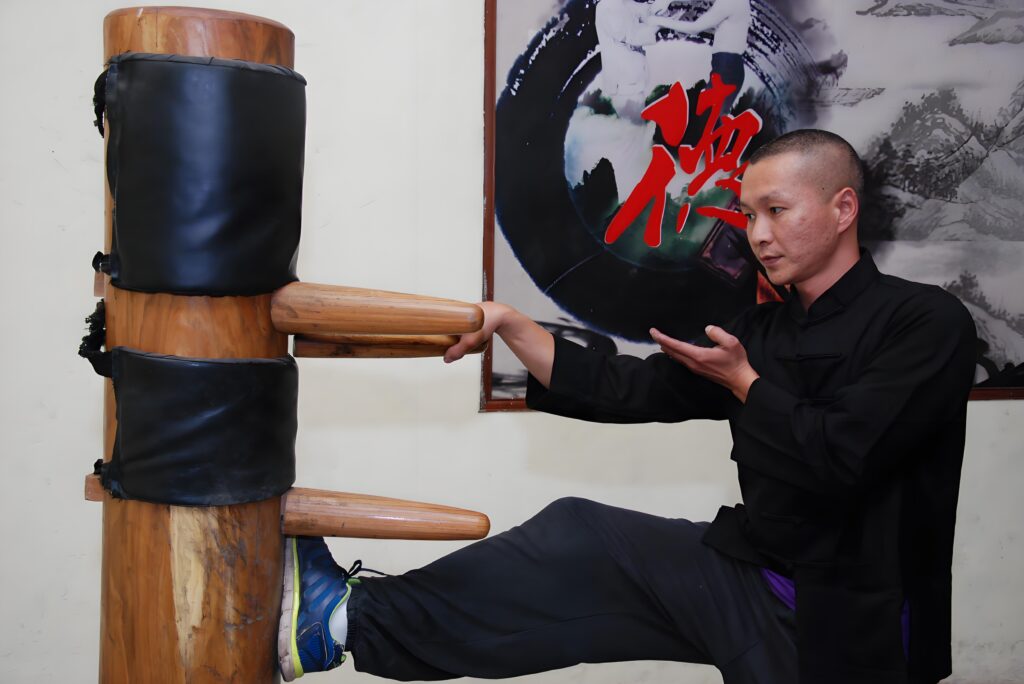
Wing Chun
Close-combat style made famous by Bruce Lee and Ip Man.
Wudang Kung Fu
Soft style rooted in Taoism, focuses on internal power.
Animal Styles
Such as Tiger, Crane, Snake – imitate animal moves.
Legends and Pop Culture
Chinese Kung Fu has left a powerful mark not only in history, but also in global pop culture. From ancient heroes to modern movie stars, Kung Fu legends have captured the world’s imagination and shaped how martial arts are perceived worldwide.
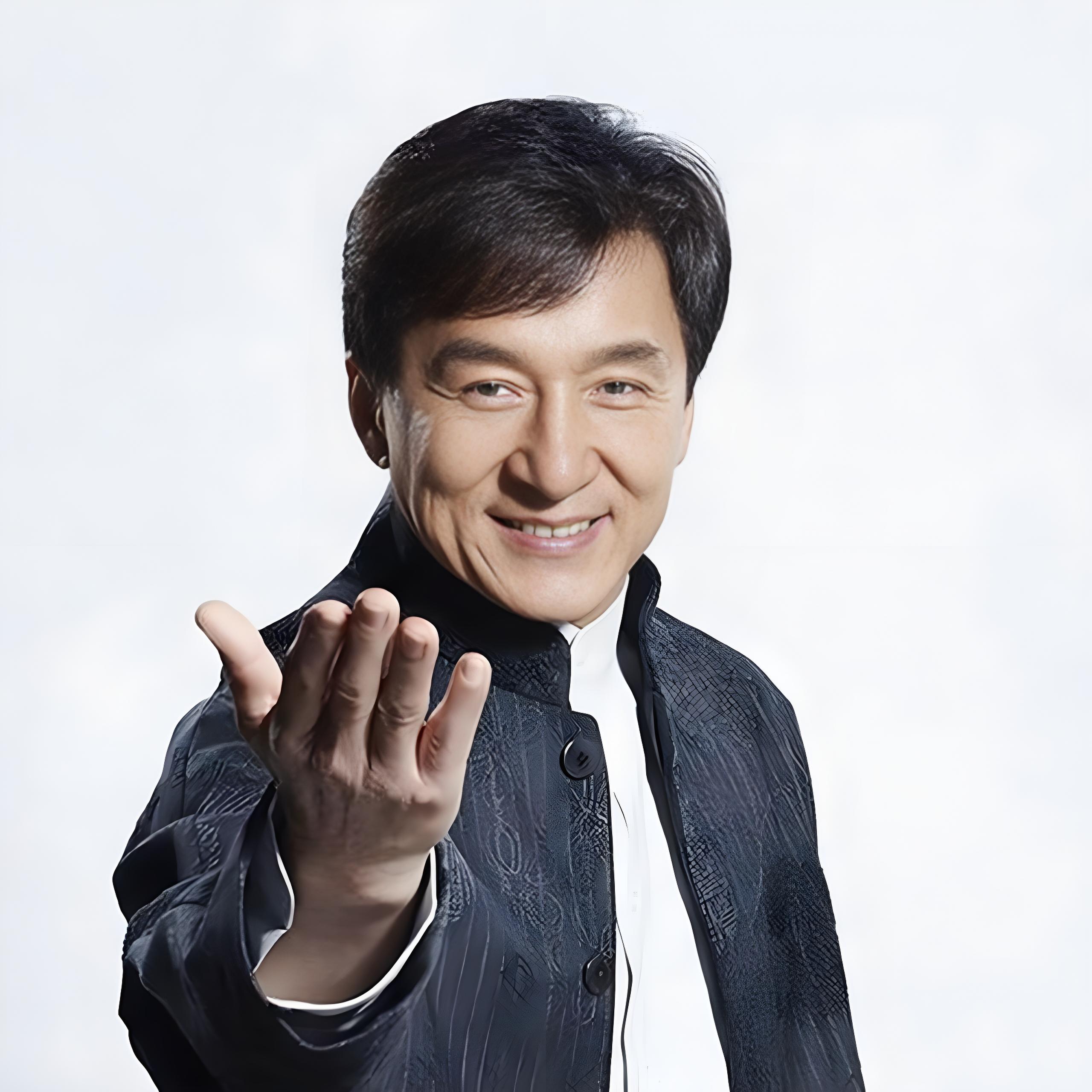
Known for his incredible stunts and comic timing, Jackie Chan brought Kung Fu to Hollywood with a unique blend of humor and action, inspiring generations of fans.
Jack Chen (成龙)
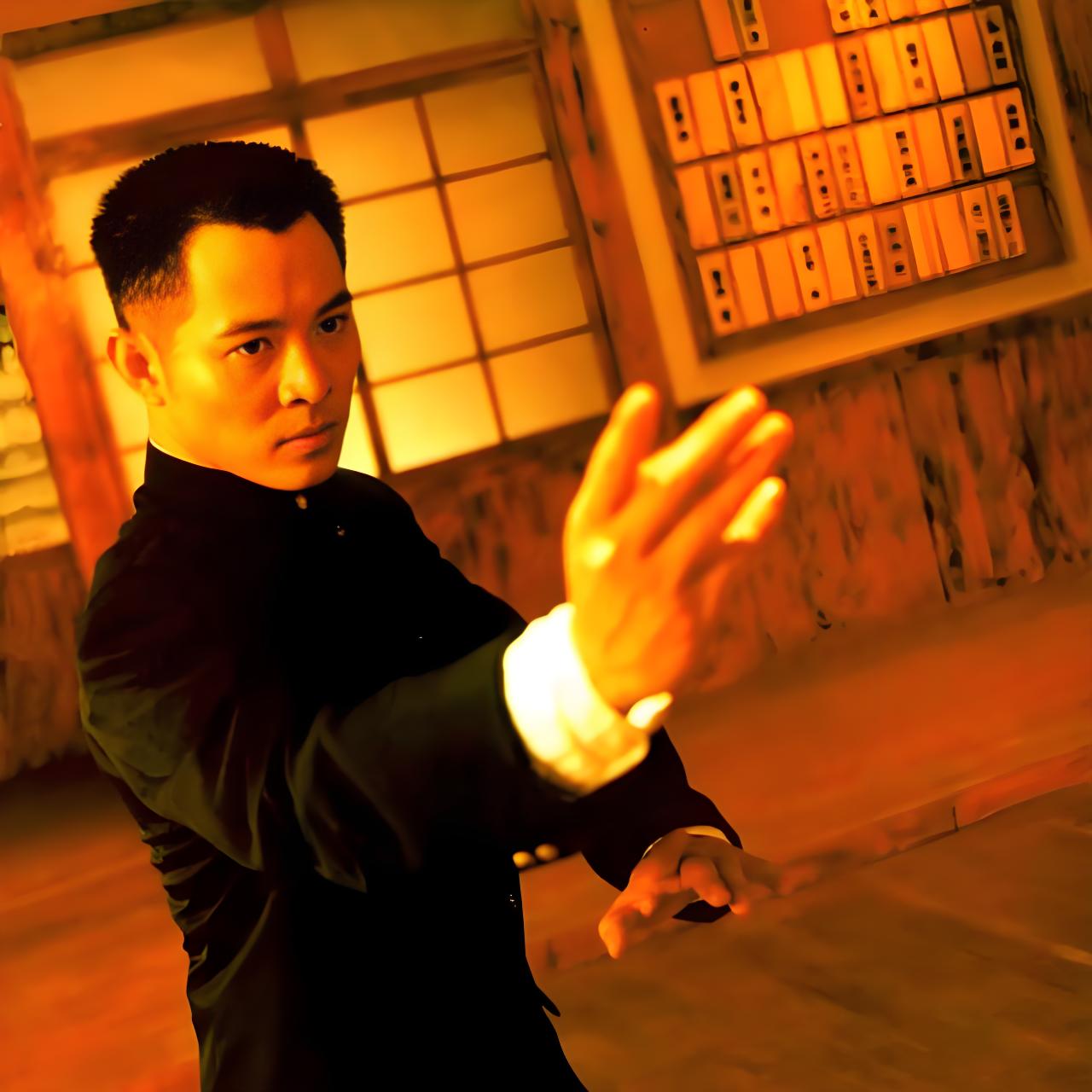
A Wushu champion turned global movie star, Jet Li’s films blend tradition and elegance, bringing classical Kung Fu stories like Once Upon a Time in China to international screens.
Jet Li (李连杰)
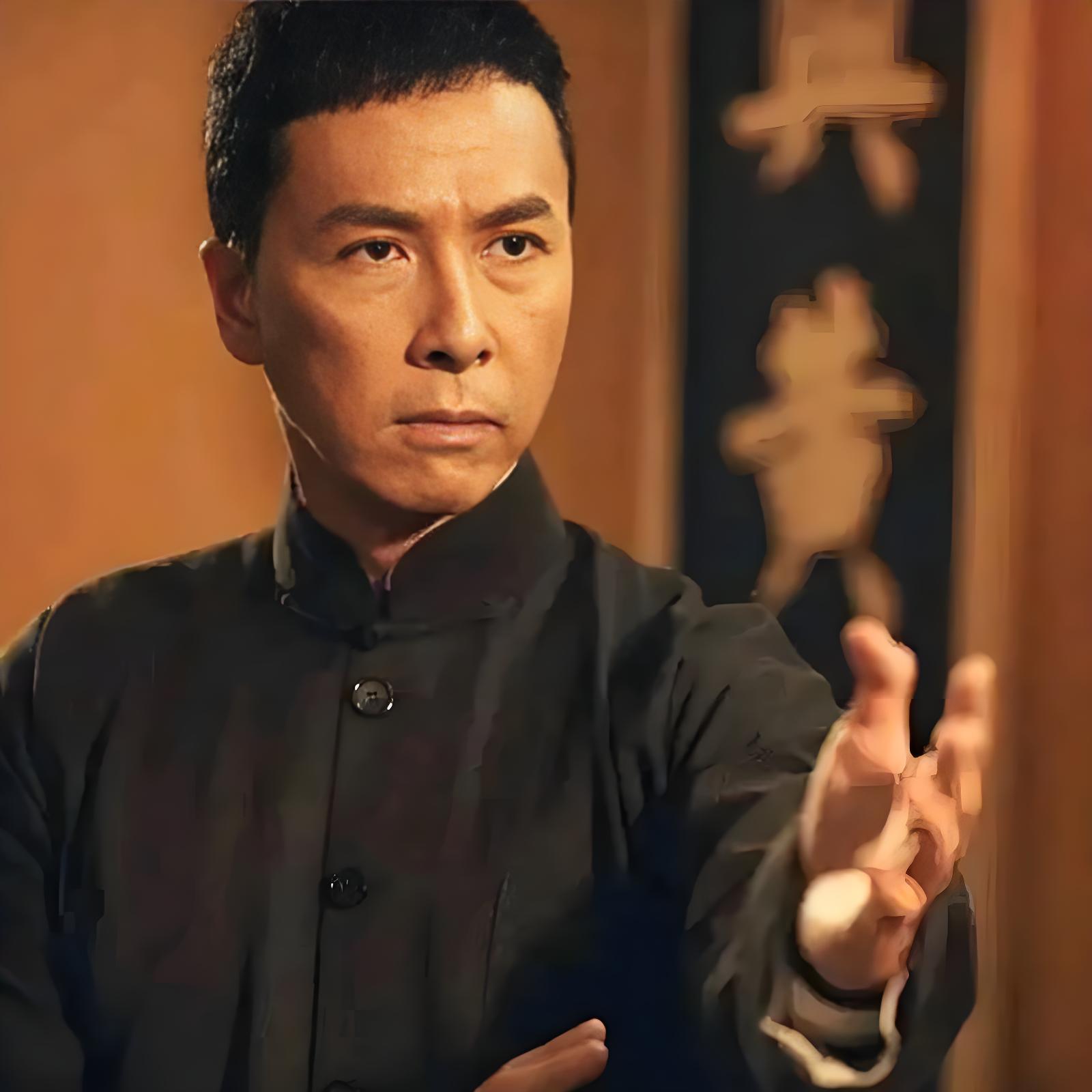
Star of the Ip Man series, Donnie Yen helped revive global interest in Wing Chun, showcasing its power in cinematic style.
Donnie Yen (甄子丹)
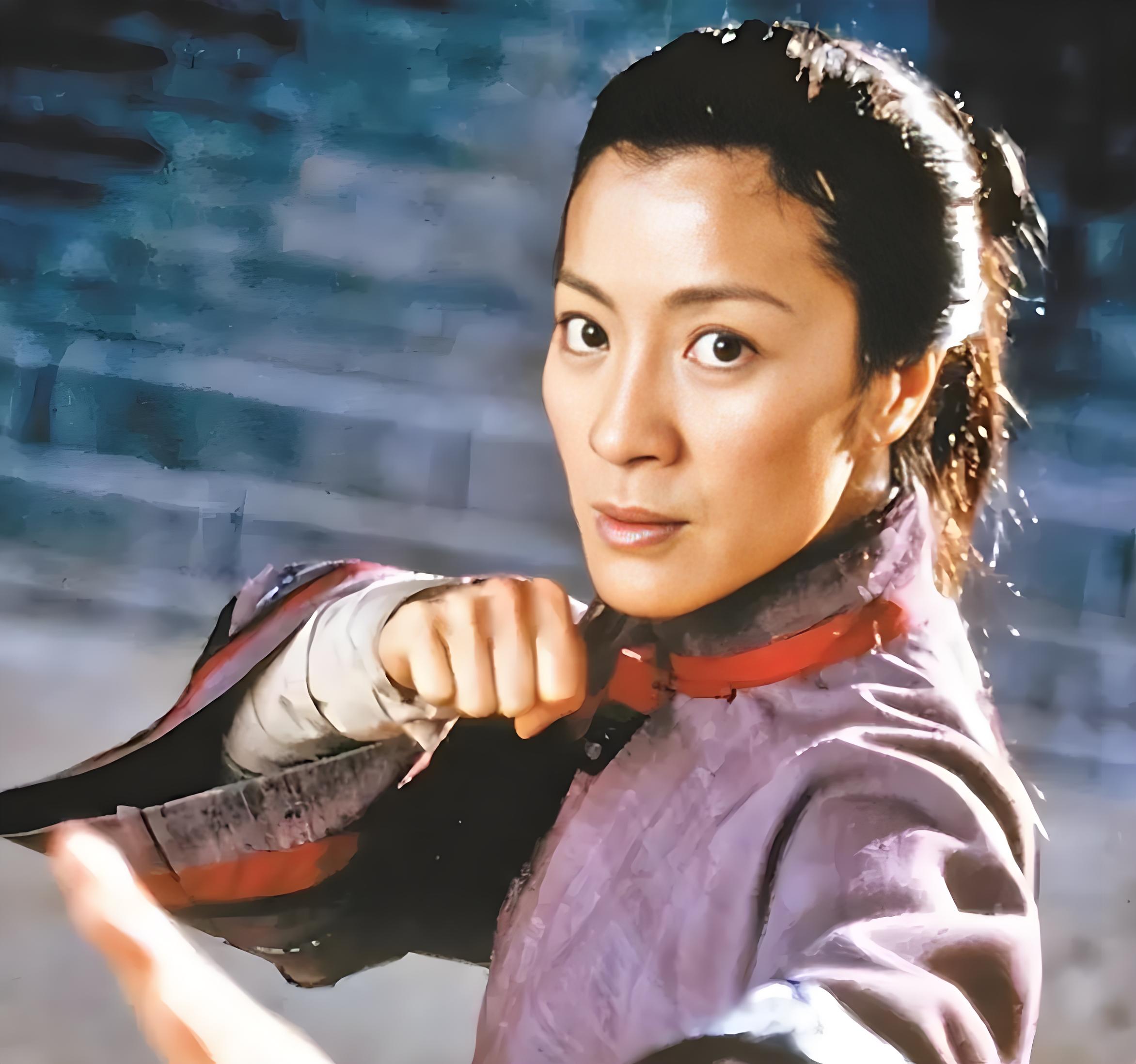
A Malaysian-born actress known for her elegance and strength, Michelle Yeoh brought female power to Kung Fu cinema with roles in Crouching Tiger, Hidden Dragon and Everything Everywhere All at Once. She performs her own stunts and became the first Asian woman to win the Academy Award for Best Actress.
Michelle Yeoh (杨紫琼)
Kung Fu & Travel
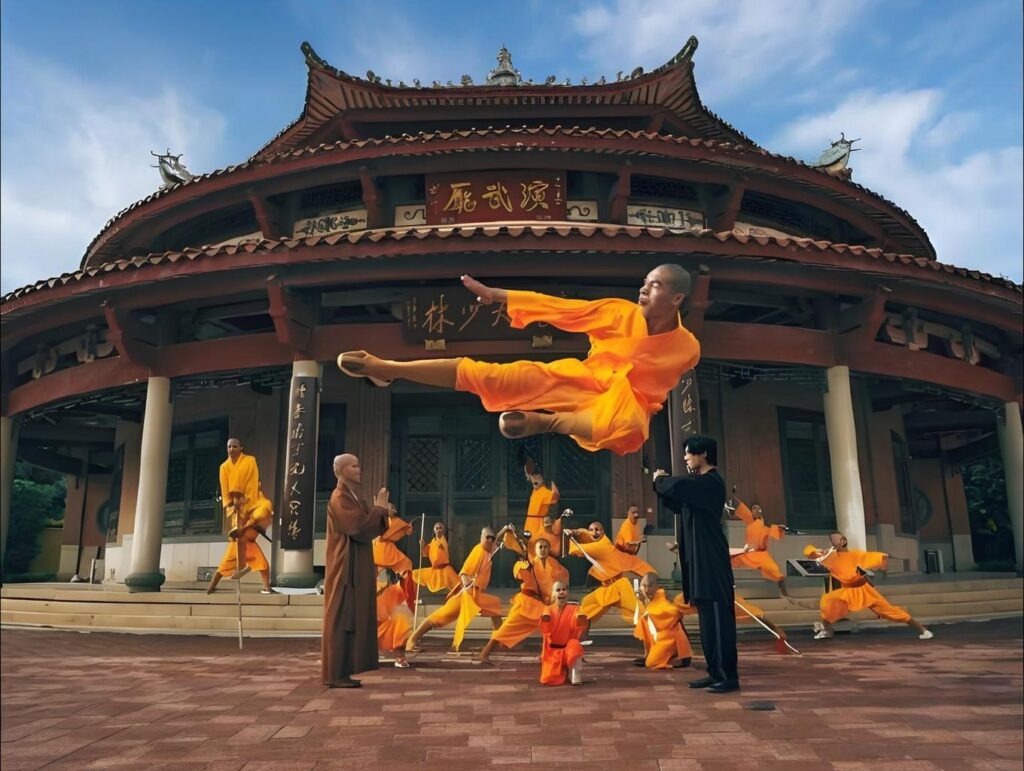
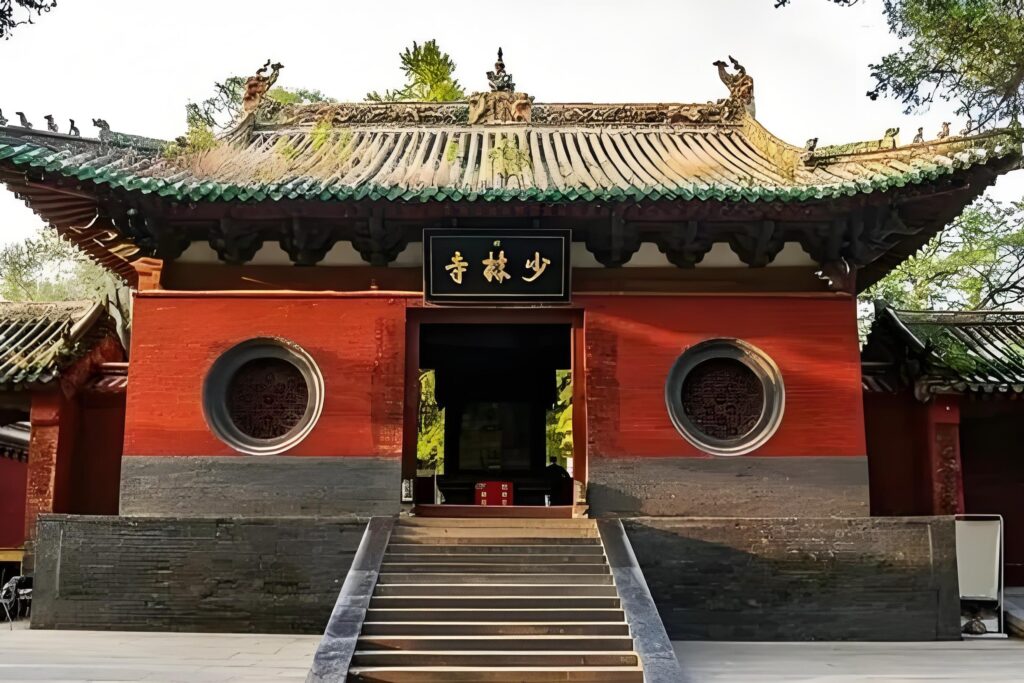
Shaolin Temple – The Birthplace of Kung Fu
📍 Location: Dengfeng, Henan Province
🧧 Highlights:
Daily live Shaolin Kung Fu shows
Short-term training programs for tourists
Ancient temples & UNESCO World Heritage site
✈️ Best Time to Visit: March–November
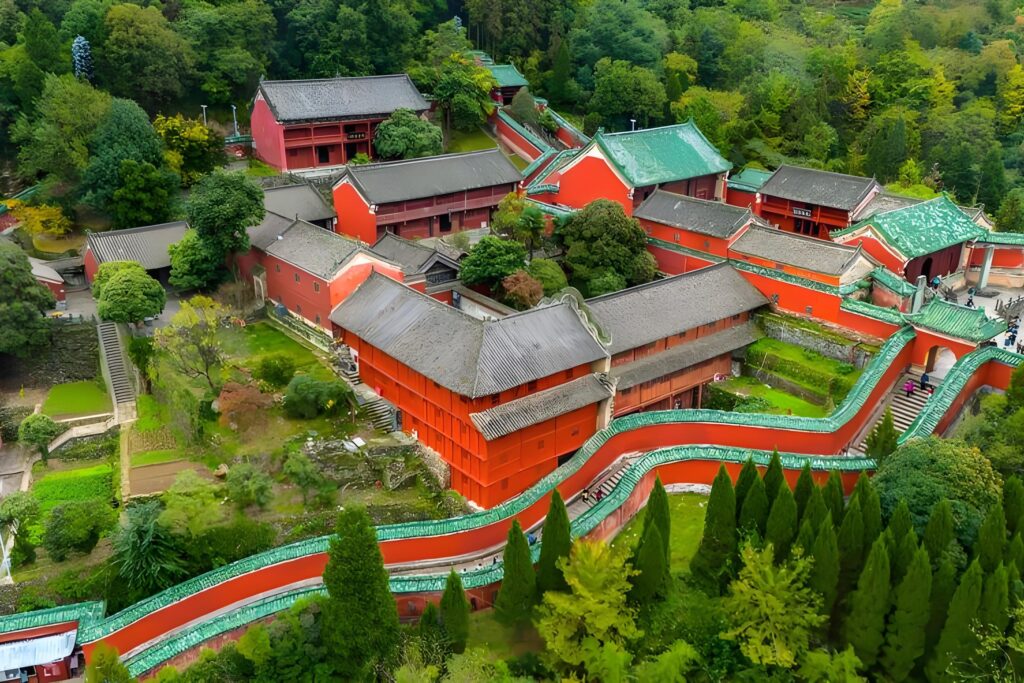
Wudang Mountains – The Heart of Taoist Martial Arts
📍 Location: Hubei Province
🧧 Highlights:
Home of Wudang Kung Fu and Tai Chi
Peaceful mountain temples with Taoist culture
Ideal for meditation + internal martial arts
✈️ Best Time: Spring & Autumn
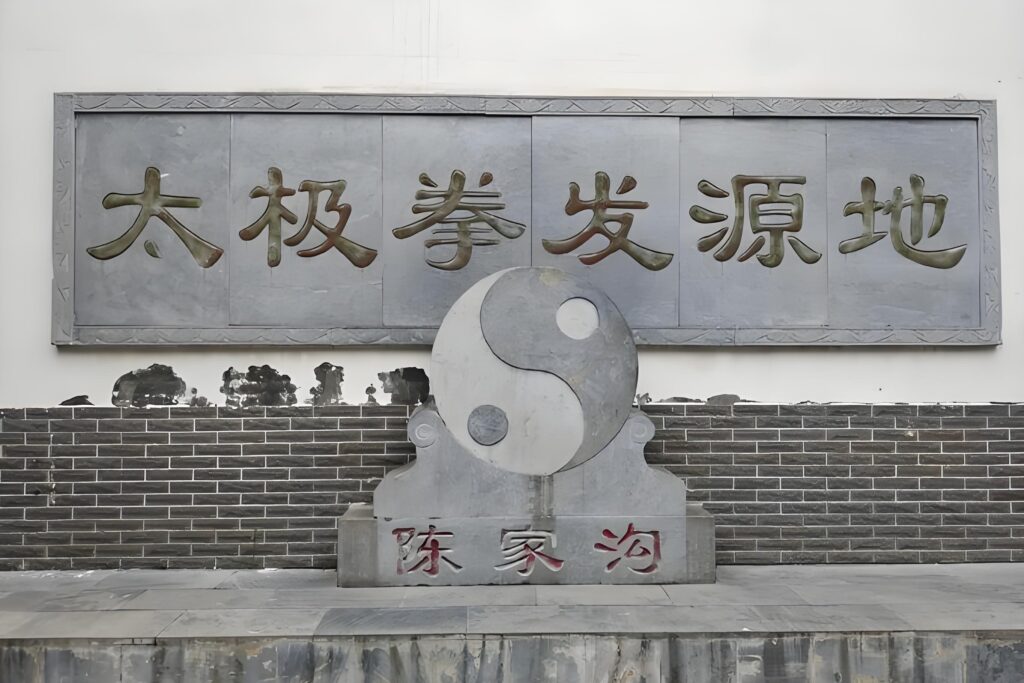
Chenjiagou – The Cradle of Tai Chi
📍 Location: Wenxian, Henan Province
🧧 Highlights:
Birthplace of Chen-style Tai Chi
Tai Chi workshops & immersive village life
Great for health-focused travelers
✈️ Best Time: Year-round
Foshan – The Home of Wing Chun
-
📍 Location: Guangdong Province
-
🧧 Highlights:
-
Birthplace of Ip Man, master of Bruce Lee
-
Visit the Wing Chun Museum
-
Try short Wing Chun classes
-
-
✈️ Best Time: October–March
Emei Mountain – The Sacred Home of Emei Kung Fu
📍 Location: Sichuan Province
🧧 Highlights:
Rooted in Taoist and Buddhist philosophy
Soft, flowing techniques with inner strength
Elegant Emei-style Kung Fu with cultural depth
✈️ Best Time: Spring–Autumn

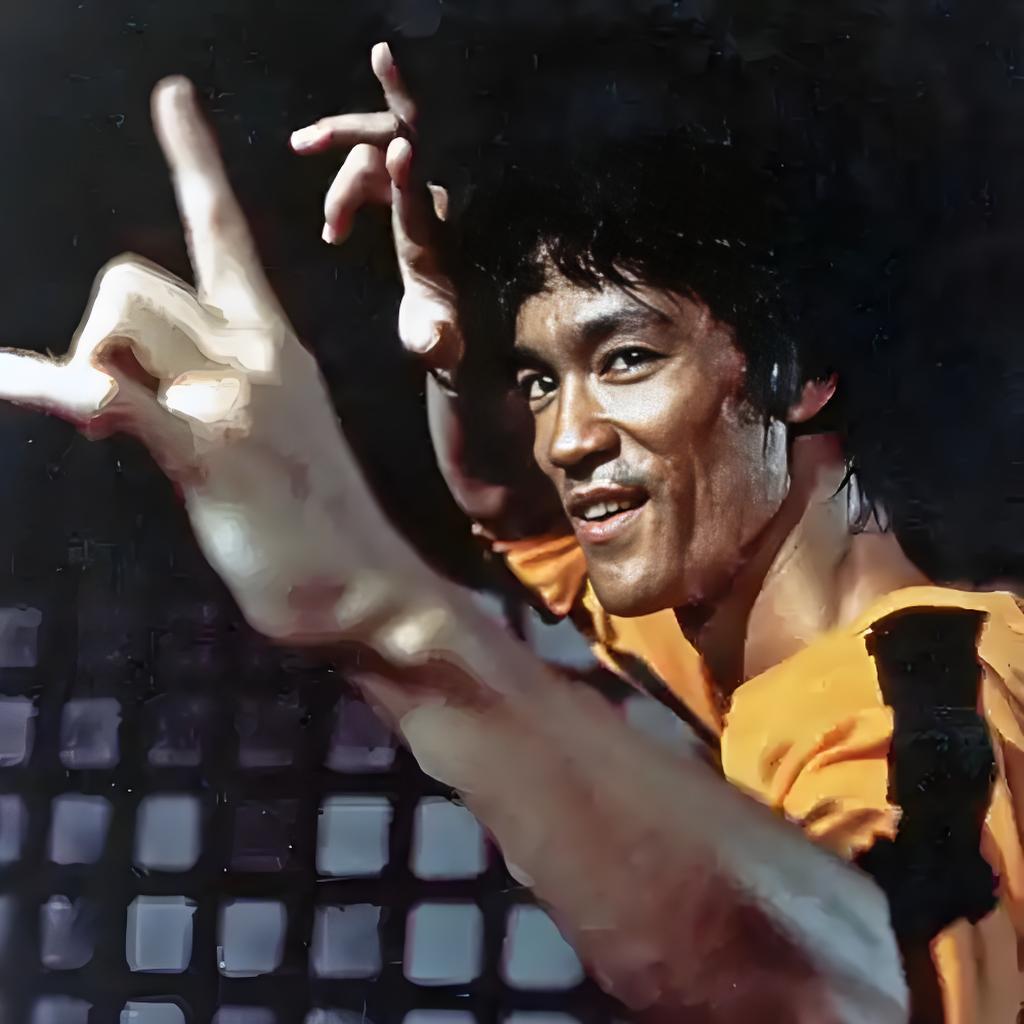
Often called the “father of modern martial arts cinema,” Bruce Lee revolutionized the global image of Chinese Kung Fu. His speed, philosophy, and charisma introduced millions to the power and grace of martial arts.
Bruce Lee (李小龙)