Explore China's Ethnic Minority Cultures

Discover vibrant traditions, unique lifestyles, and rich heritage from China's 56 diverse ethnic groups.

China officially recognizes 56 ethnic groups. While the Han majority makes up over 90% of the population, the other 55 minority groups contribute vibrant traditions, languages, music, and art that enrich the country’s cultural diversity.

Tibetan Culture in Tibet & Sichuan(藏族文化)

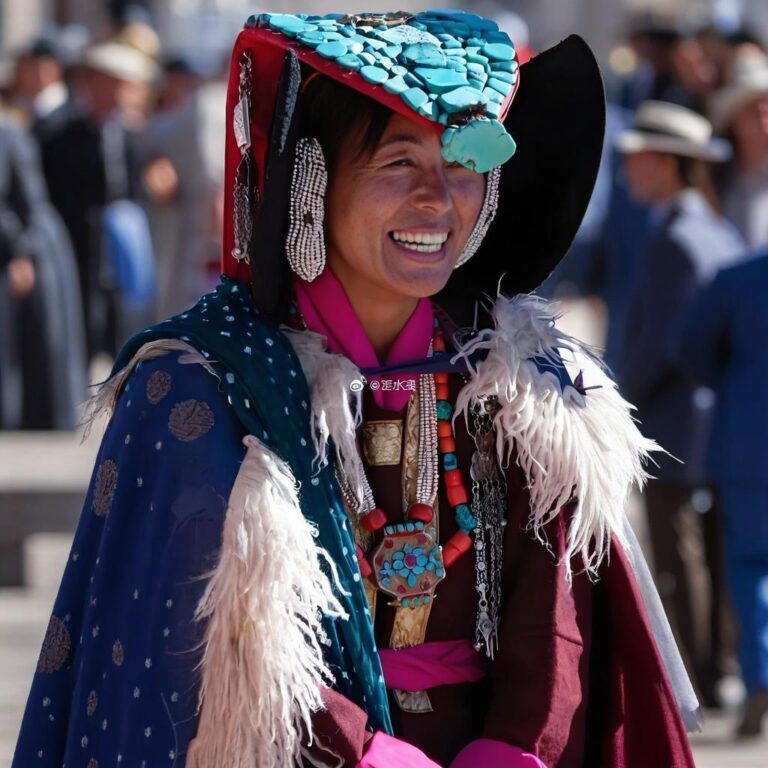
The Tibetan people, one of China’s most iconic ethnic minorities, are known for their rich spiritual traditions, breathtaking landscapes, and vibrant cultural heritage. Mainly residing in the Tibet Autonomous Region and surrounding provinces, Tibetans offer visitors a deep, immersive cultural experience unlike any other.

Religion & Monasteries

Tibetan Buddhism is the spiritual backbone of Tibetan life. Monasteries are not only religious centers but also hubs of art, education, and social gatherings.

  • Famous sites like Potala Palace and Jokhang Temple attract pilgrims and tourists alike.

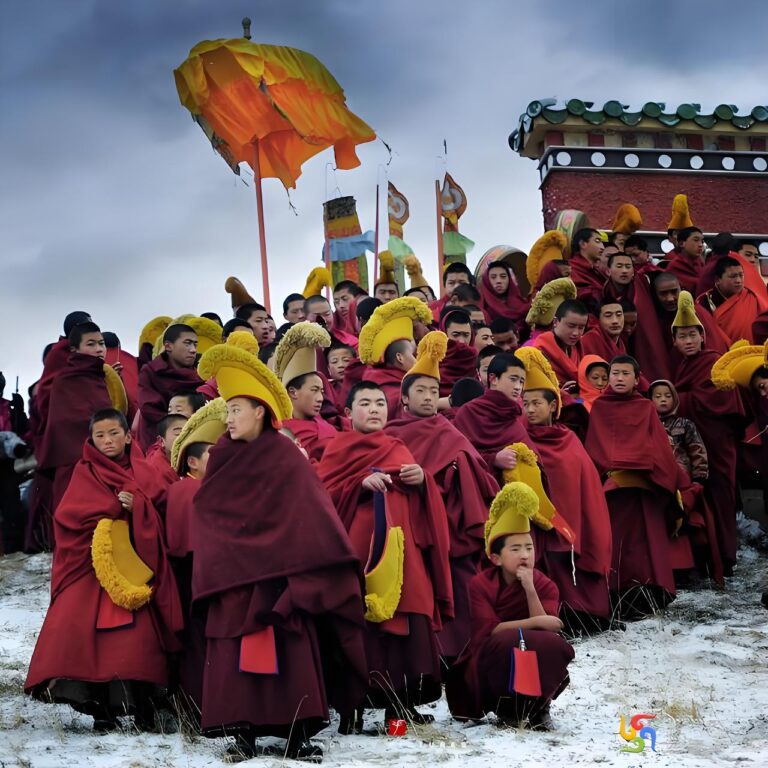
  • Monks in maroon robes can often be seen chanting scriptures, spinning prayer wheels, or debating philosophy in temple courtyards.

  • Tibetans are known for their warm hospitality and strong sense of community.

  • Many still live in traditional stone or yak-hair tents in highland pastures.

  • Prayer flags, mani stones, and yak butter lamps are common spiritual elements in daily life.

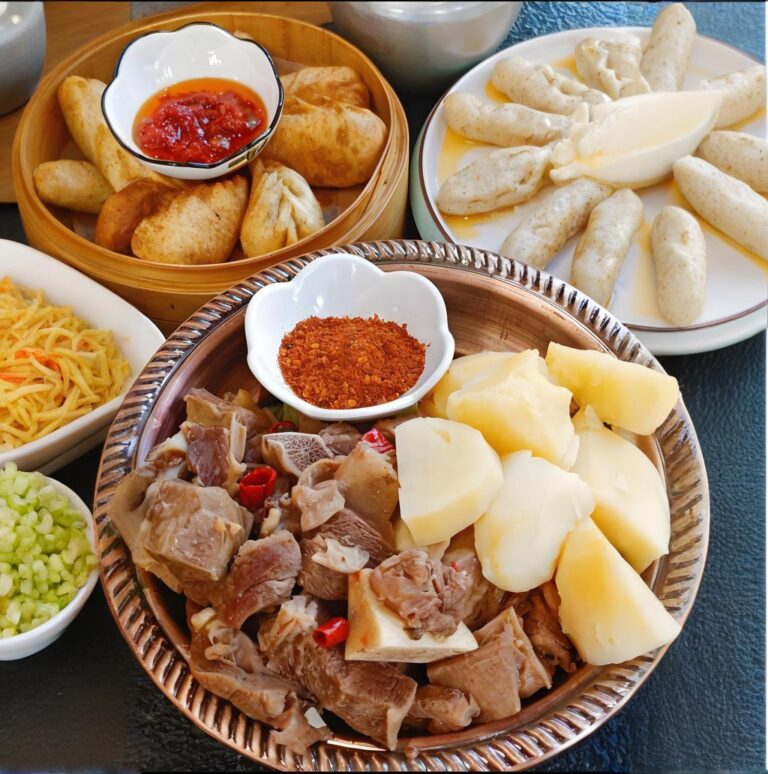
Tibetan cuisine is shaped by its high-altitude environment and pastoral lifestyle.

  • Tsampa (roasted barley flour) is a staple food.

  • Yak butter tea (salty and rich) is a daily beverage.

  • Other popular dishes include:

    • Momo (Tibetan dumplings)

    • Yak meat stew

    • Tibetan noodles

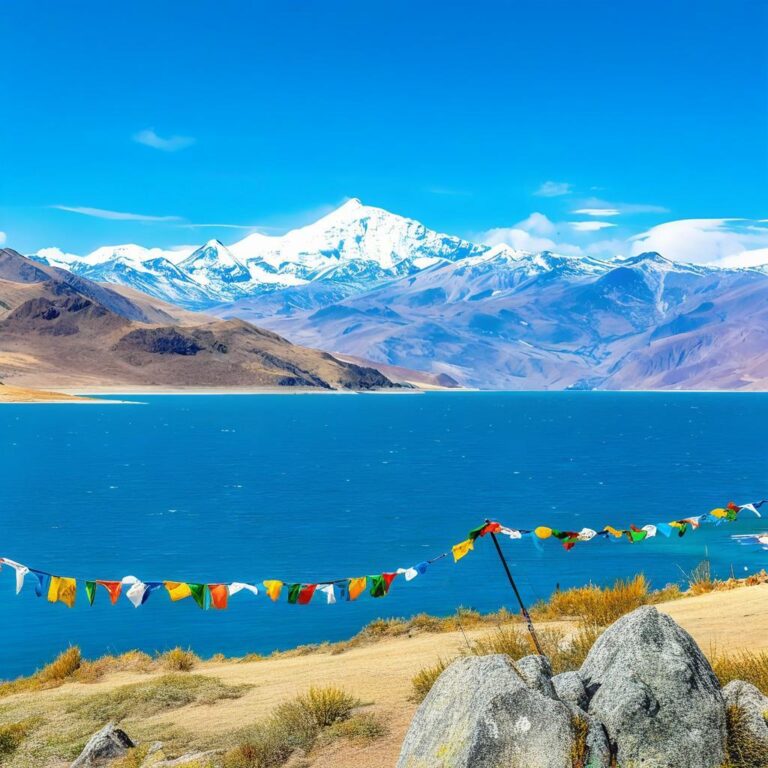
Tibetan regions boast some of the most stunning landscapes in Asia.

  • Snow-capped Himalayan peaks, including Mount Everest

  • Sacred lakes like Namtso and Yamdrok Lake

  • Vast grasslands, yak herds, and colorful flower-filled valleys

Tibetan festivals combine religion, dance, music, and vibrant costumes.

  • Losar (Tibetan New Year)

  • Shoton Festival (yogurt festival with opera and giant thangka displays)

  • Traditional Tibetan opera and thangka painting are highly symbolic and spiritual.

Miao People of Guizhou(贵州苗族)

The Miao are one of the largest ethnic minority groups in China, with a significant population residing in Guizhou Province. Known for their rich cultural heritage, the Miao people are celebrated for their vibrant festivals, elaborate silver jewelry, and intricate embroidery.

Ethnic Identity & History
  • The Miao are one of China’s 56 officially recognized ethnic groups, with a long history that dates back over 2,000 years.

  • Many Miao communities in Guizhou migrated over centuries, forming unique sub-groups with rich oral traditions.

  • They maintain a distinct cultural identity, separate from the Han majority.

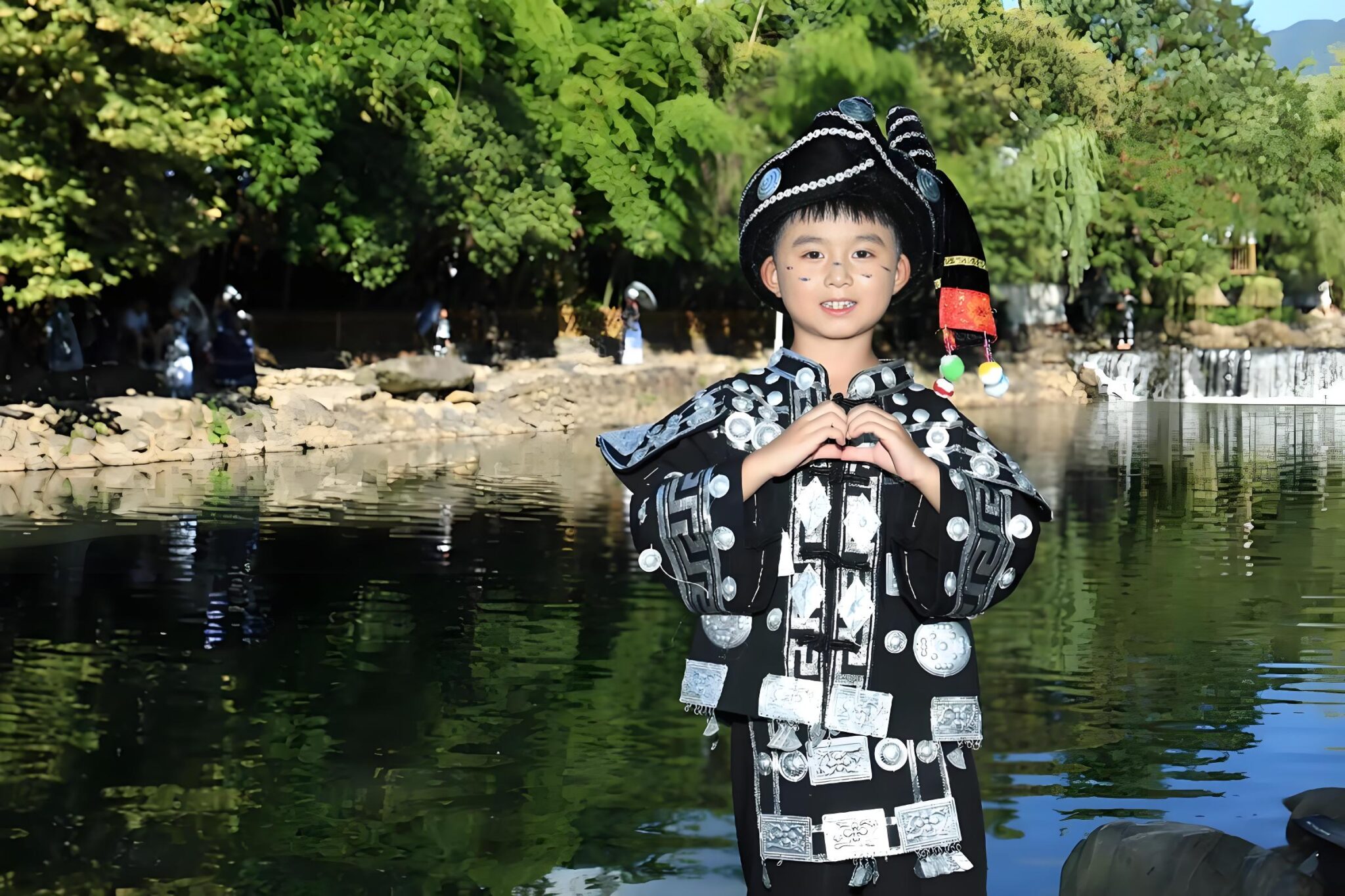
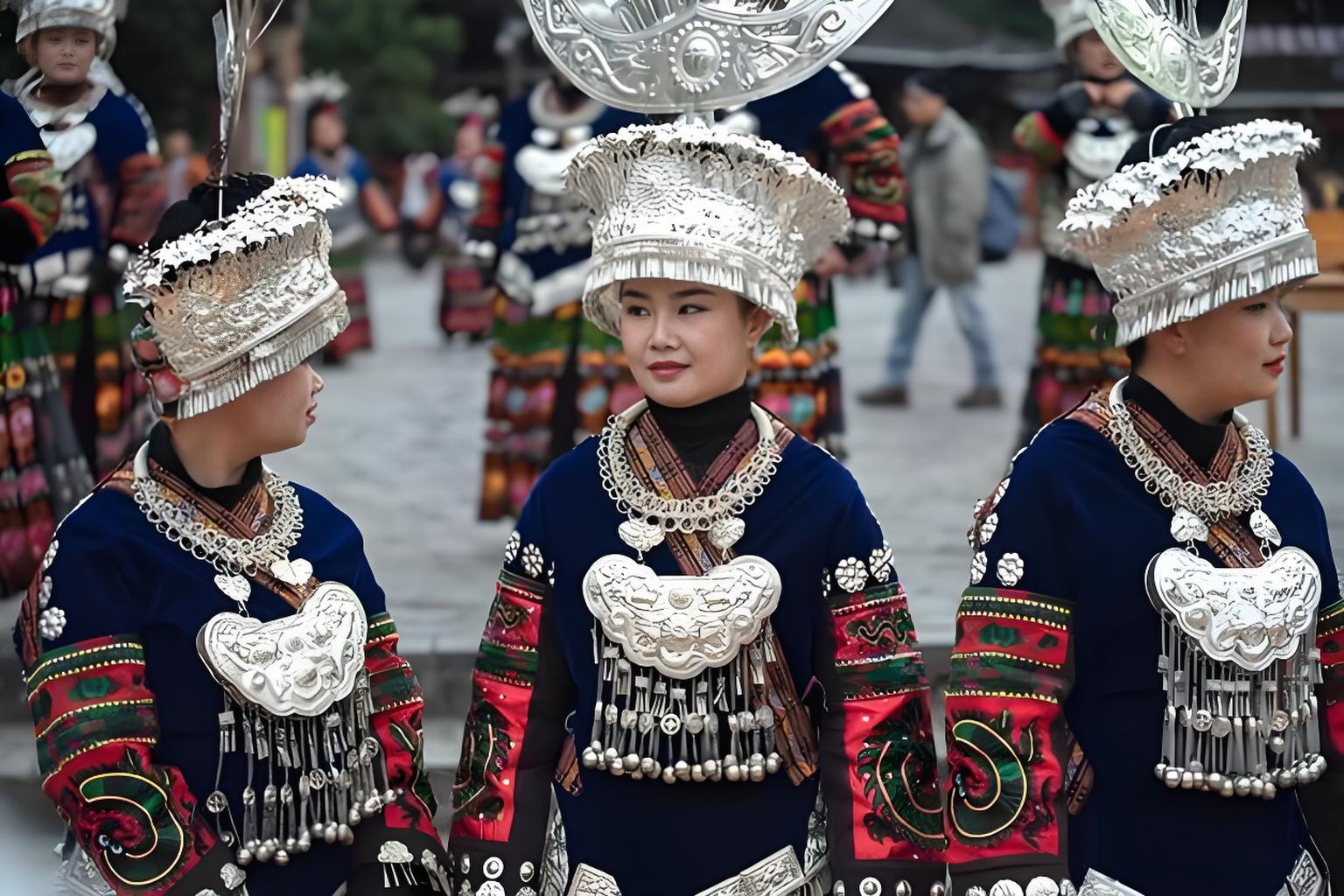
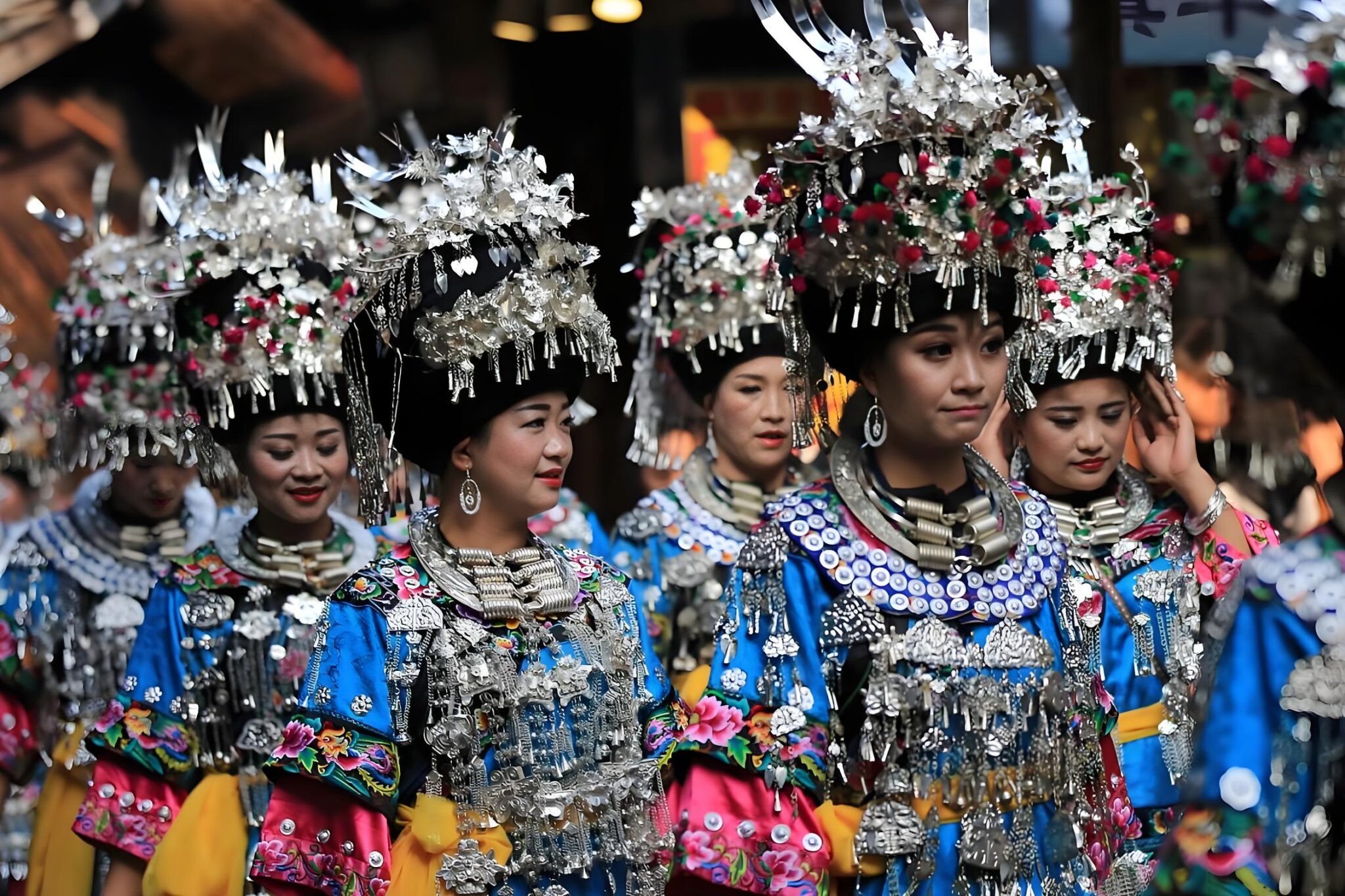
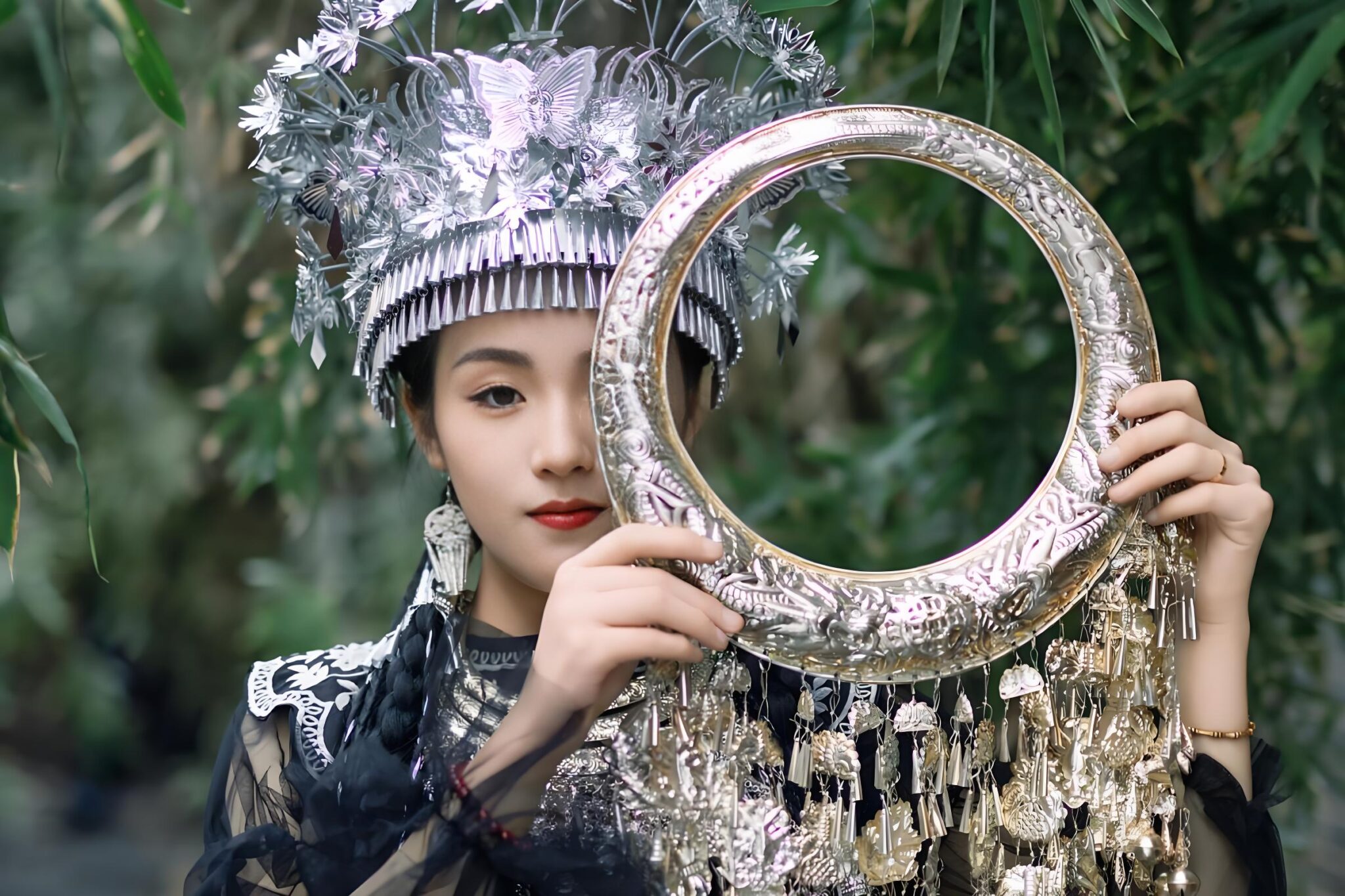
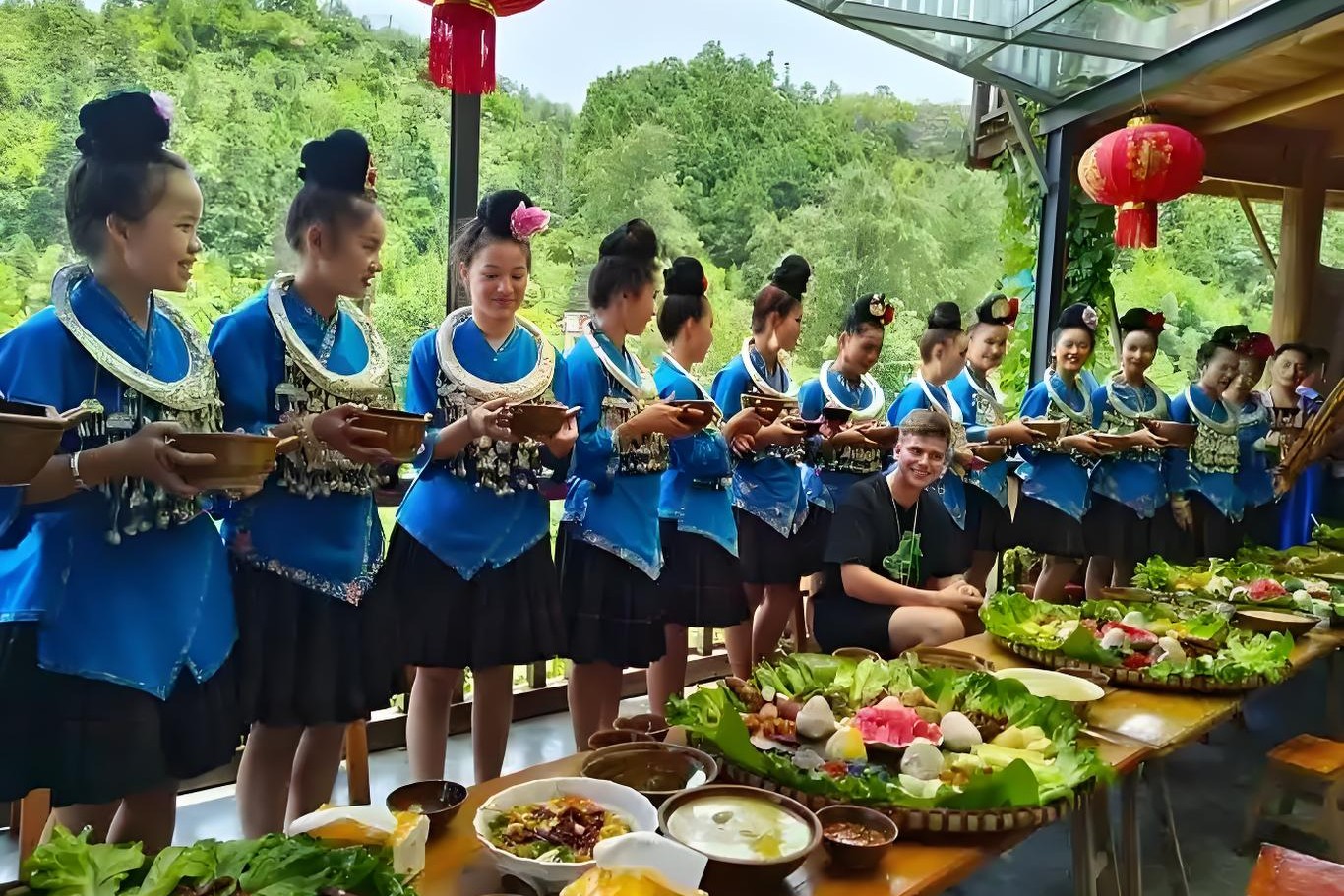
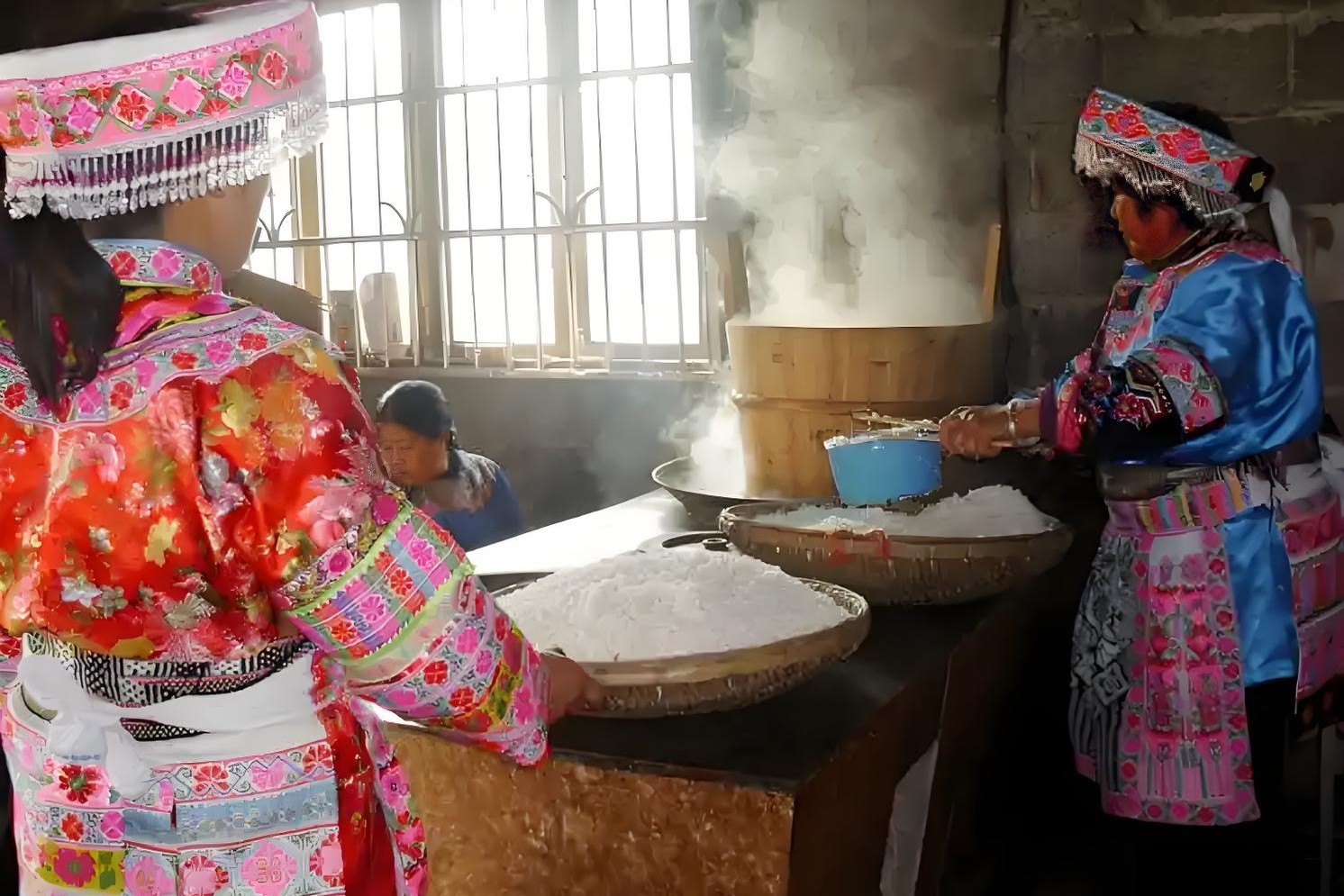
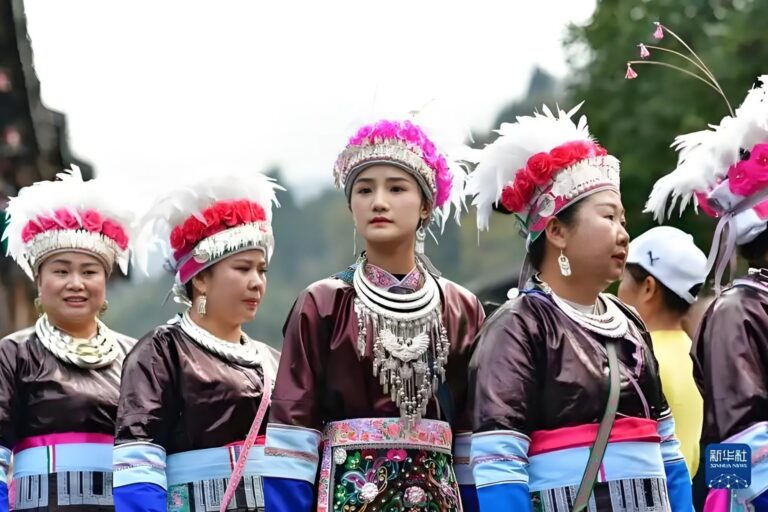
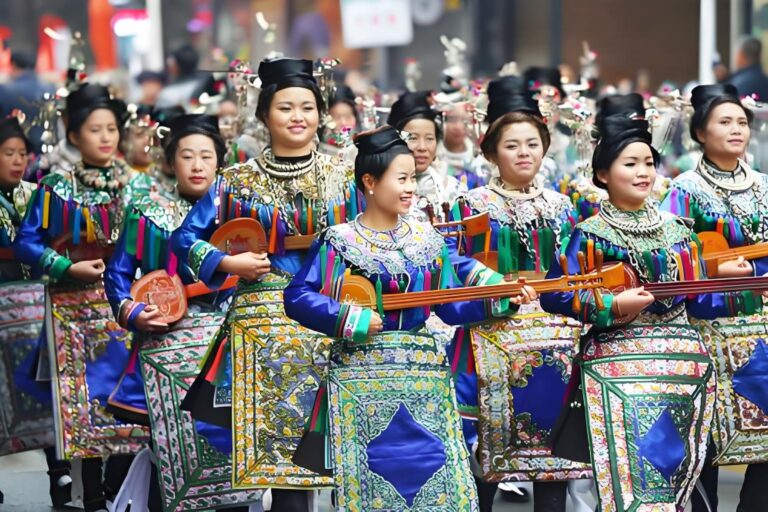
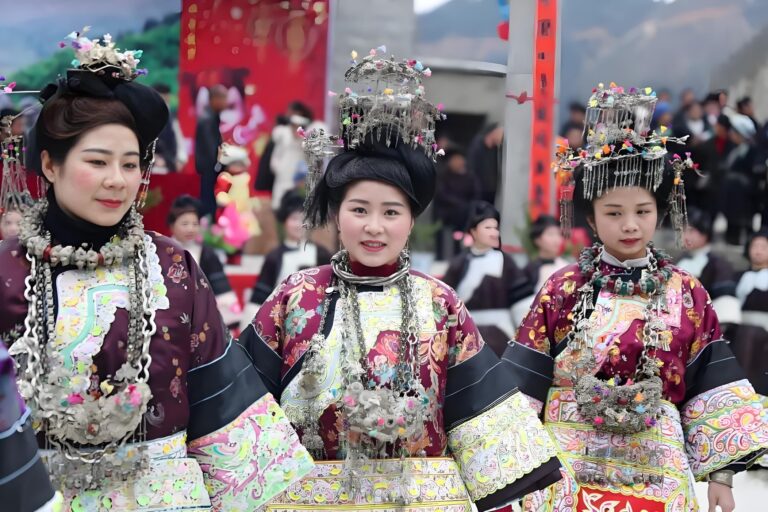
  • Miao women are known for their elaborately embroidered clothes, handmade from generation to generation.

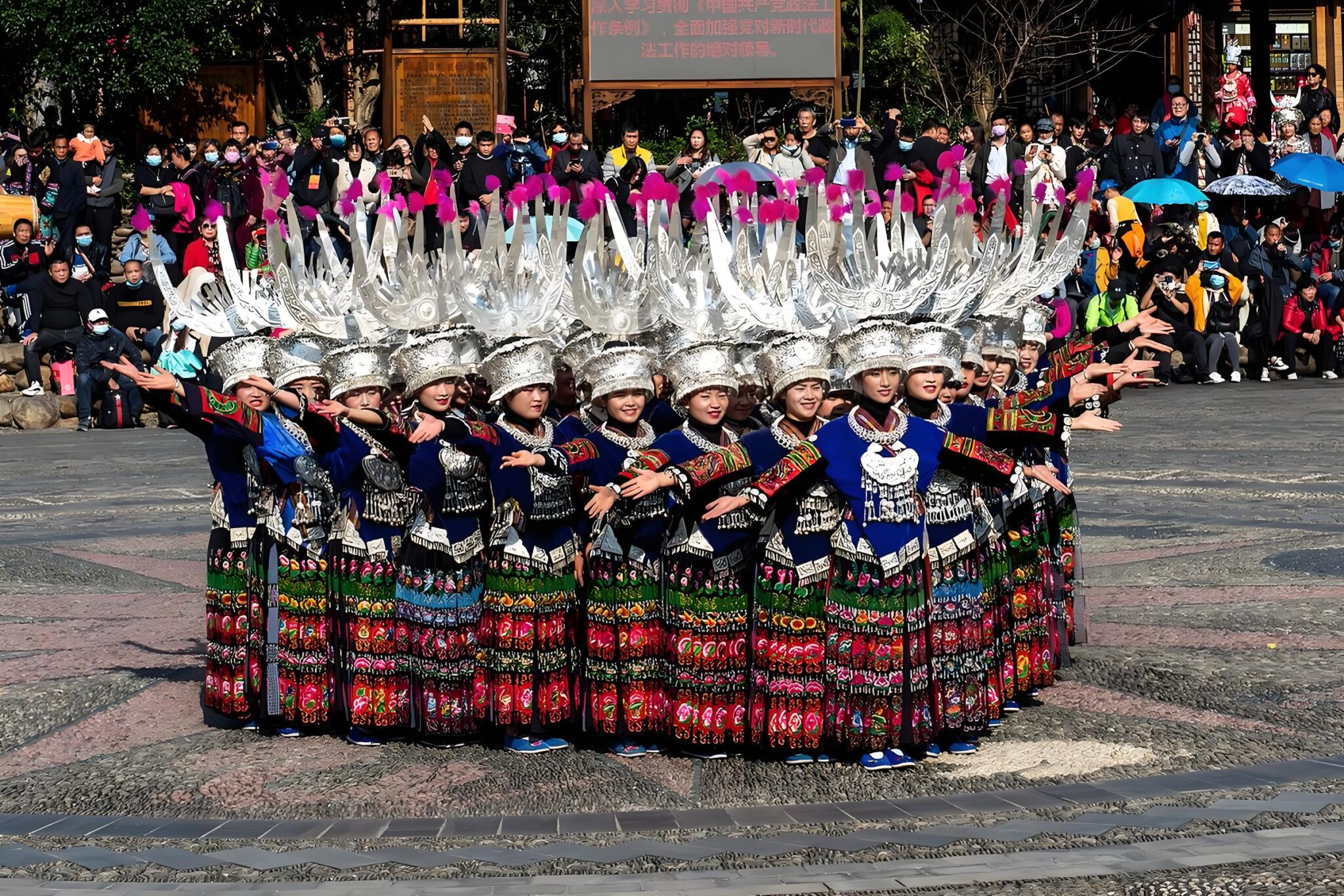
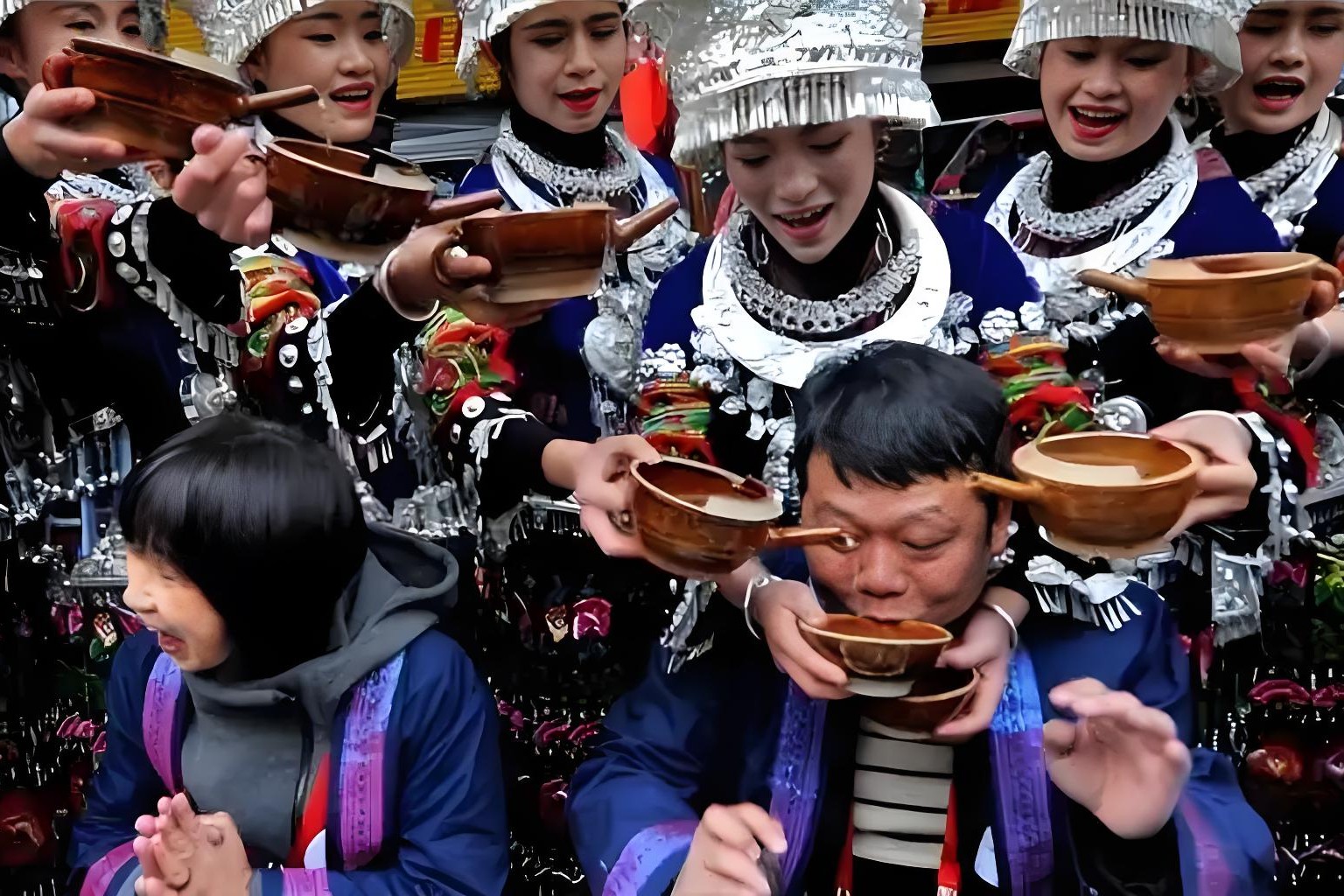
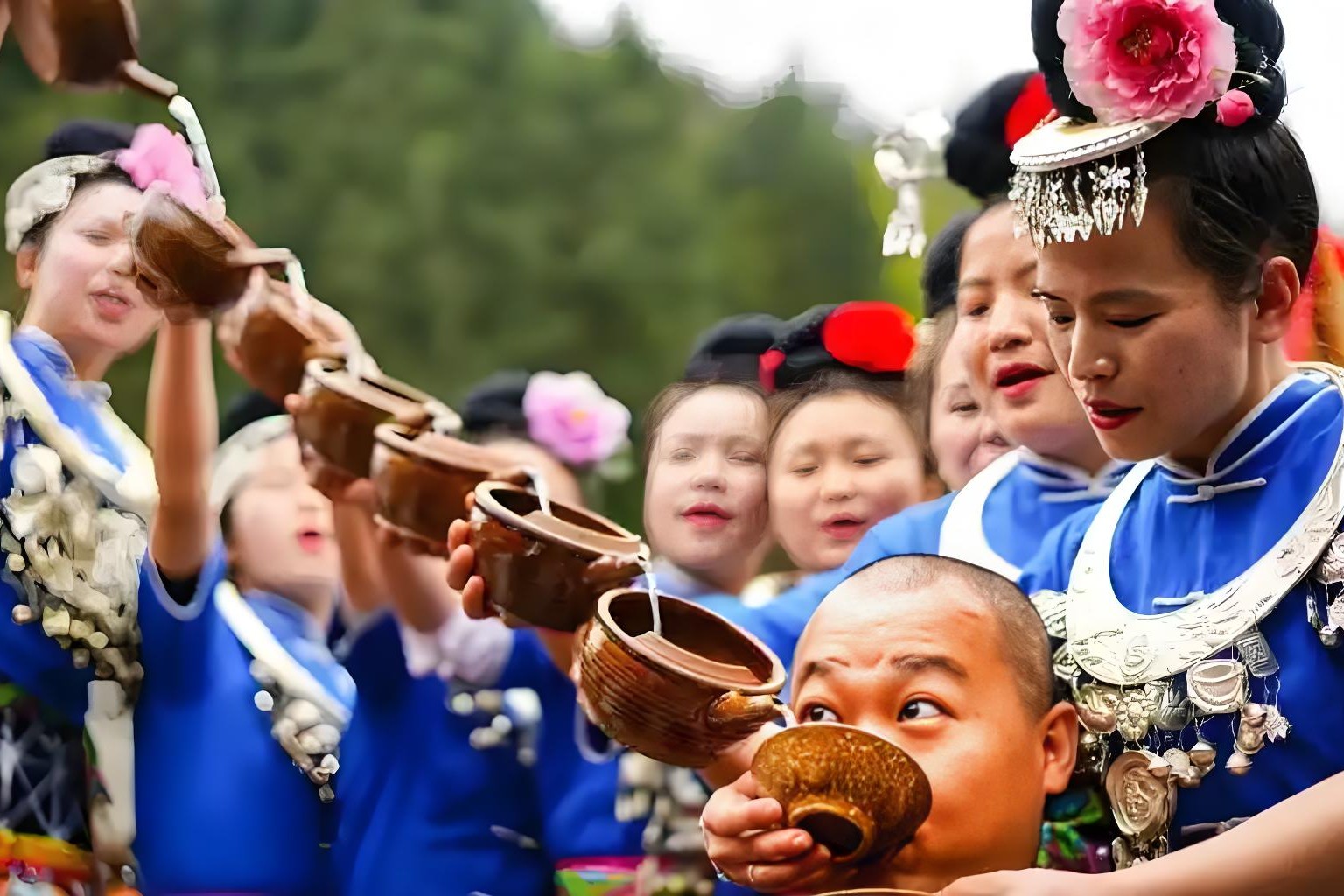
  • Their silver jewelry, especially worn during festivals, can weigh several kilograms and symbolizes beauty, wealth, and protection.

  • Each region or village has unique clothing styles, often used to distinguish different Miao subgroups.

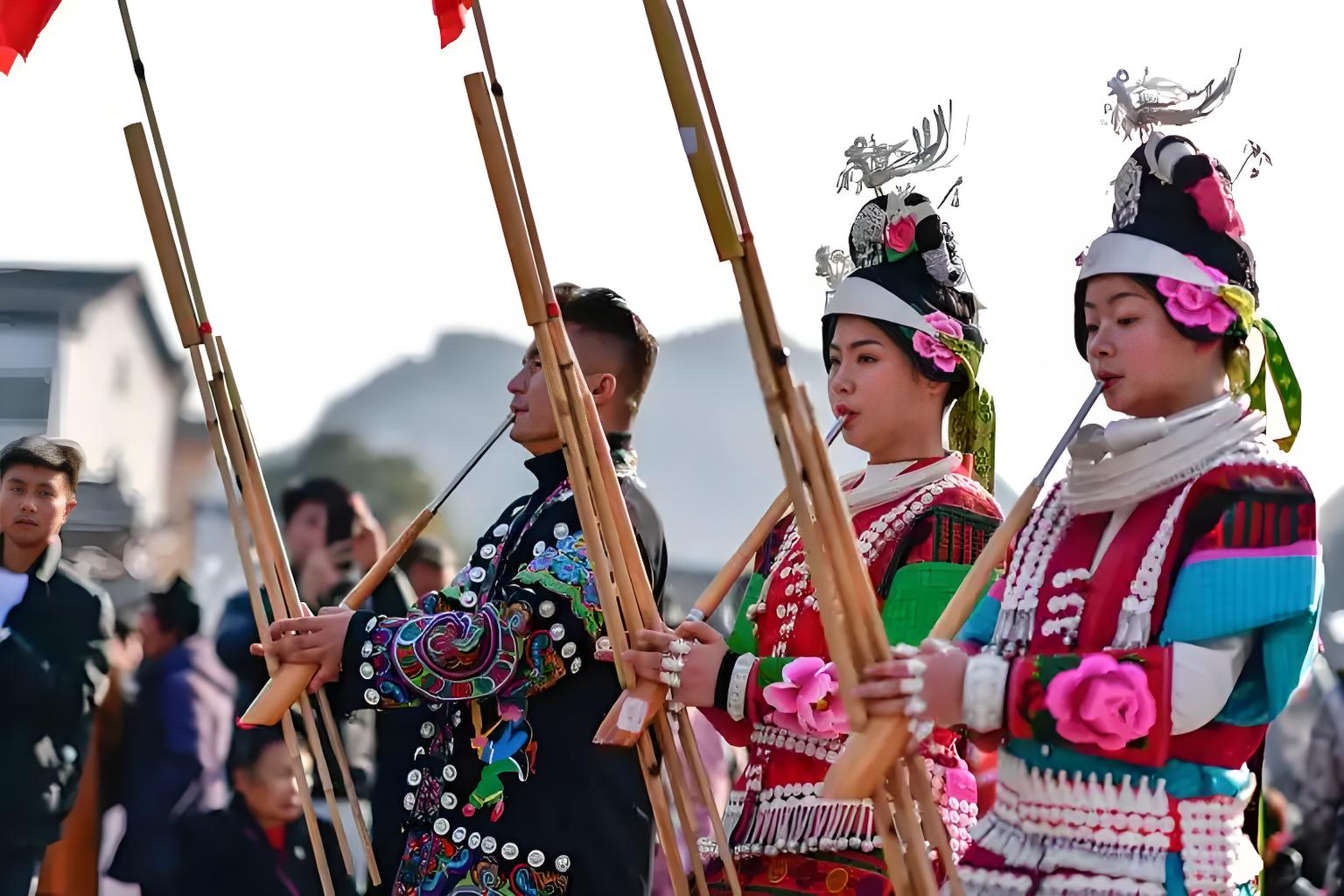
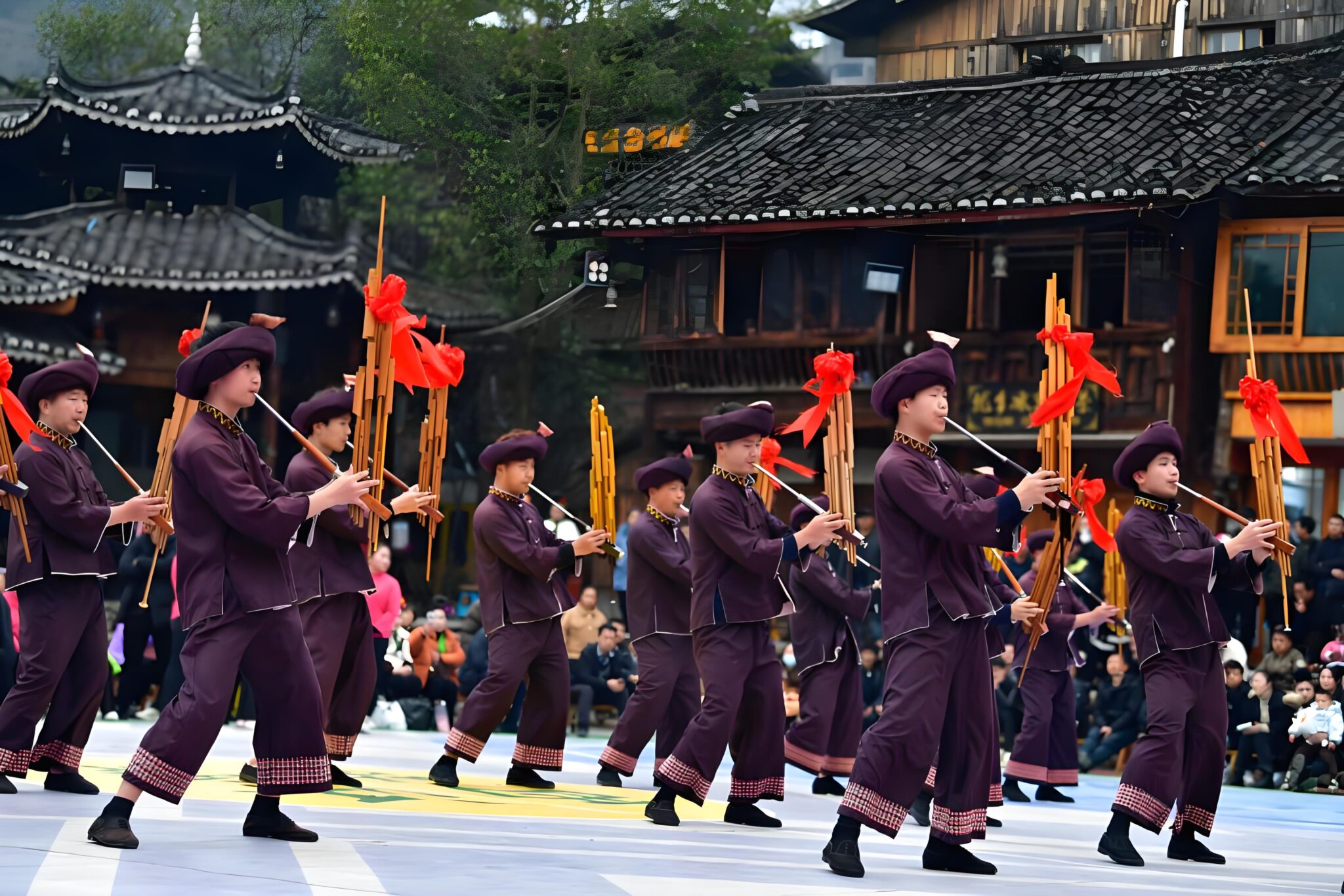
  • Lusheng Festival: A major celebration featuring Lusheng (reed-pipe) performances, dances, and traditional games.

  • Sisters’ Meal Festival: Often described as the “oldest Asian Valentine’s Day,” where young men and women engage in courtship rituals.

  • Music and dance are integral—Lusheng playing, bullfighting, and drum dances are common.

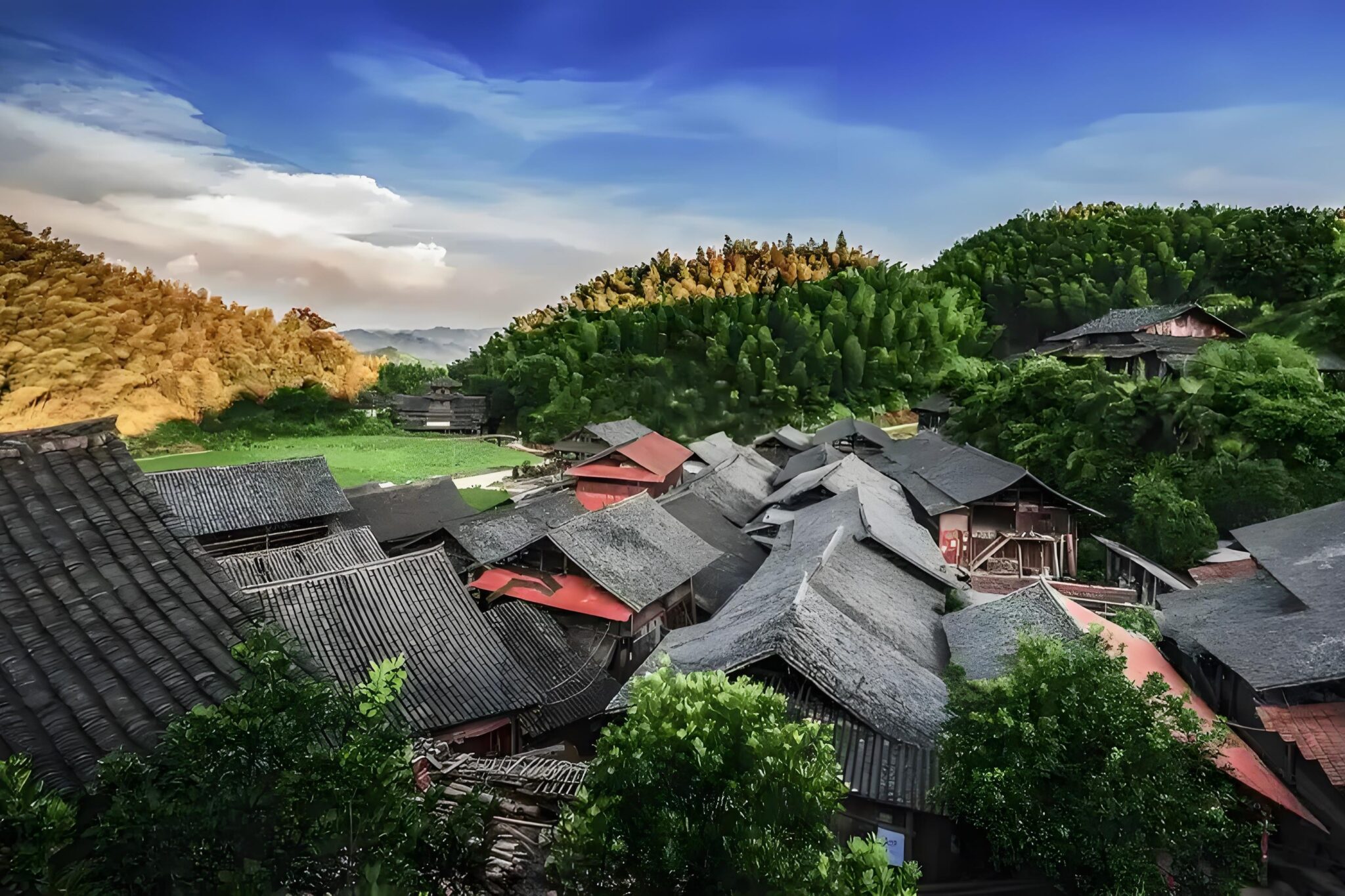
  • Miao villages are often located in remote mountain regions, with wooden stilt houses (Diaojiaolou) built along hillsides.

  • Community life is closely tied to agriculture, with rice terraces and cornfields surrounding the villages.

  • Hospitality is a cultural cornerstone—visitors are welcomed with home-brewed rice wine and songs.

  • The Miao practice animism and ancestor worship, with rituals tied to natural elements like rivers and mountains.

  • They have their own language (in the Hmong-Mien family), and while not all Miao read or write it, oral storytelling remains strong.

  • Their batik, weaving, and silverworking techniques have been recognized as intangible cultural heritage by UNESCO.

Uyghur Traditions in Xinjiang(新疆维吾尔族)

The Uyghurs are a vibrant Turkic ethnic group primarily living in Xinjiang, China’s vast northwestern region. With deep roots along the ancient Silk Road, Uyghur culture reflects a rich blend of Central Asian, Islamic, and Chinese influences. From their distinctive music and dance to their flavorful cuisine and colorful festivals, the Uyghurs offer a living heritage shaped by centuries of trade, migration, and faith.
Explore their traditions to discover a world where history meets hospitality, and everyday life is infused with art, rhythm, and community spirit.

Ethnic Identity & History

The Uyghurs are a Turkic-speaking Muslim people with a long and complex history in Central Asia. Inhabiting Xinjiang for centuries, they have developed a strong cultural identity deeply tied to trade, religion, and family.

  • Their language is part of the Turkic family and is written in Arabic script.

  • Historically, Uyghur cities like Kashgar and Turpan were major stops on the Silk Road.

  • Uyghur identity is shaped by both nomadic and urban traditions, blending ancient and modern.

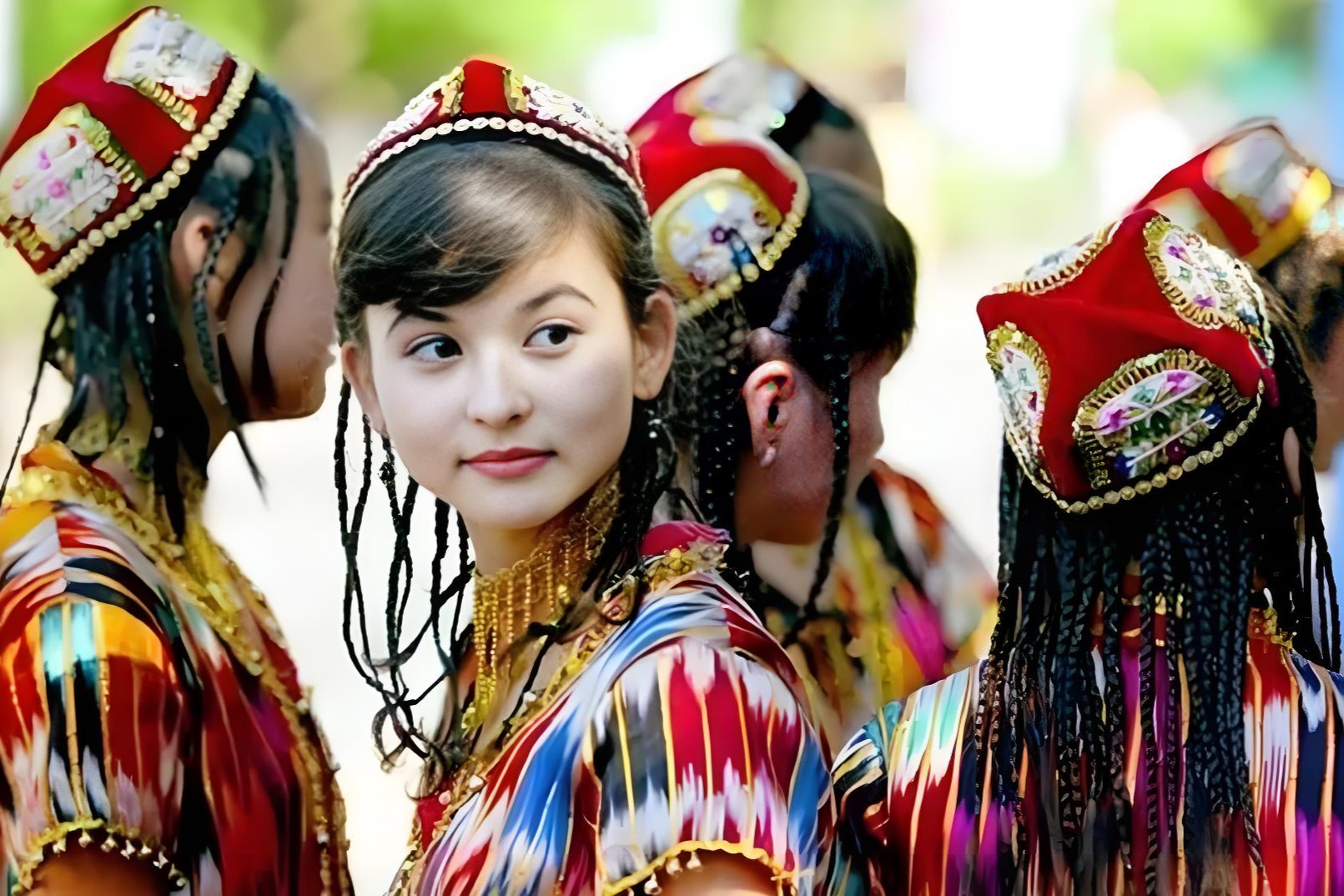
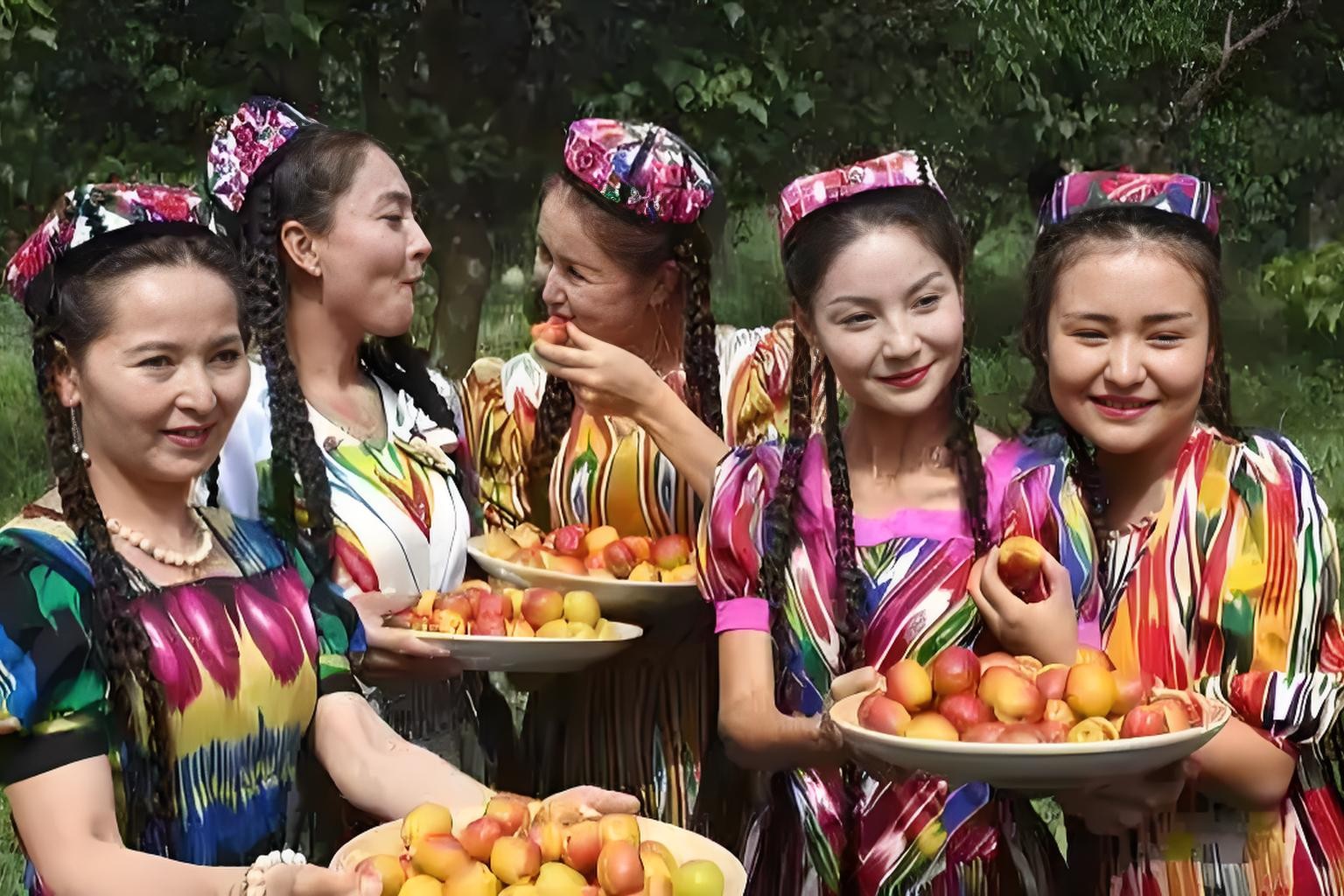
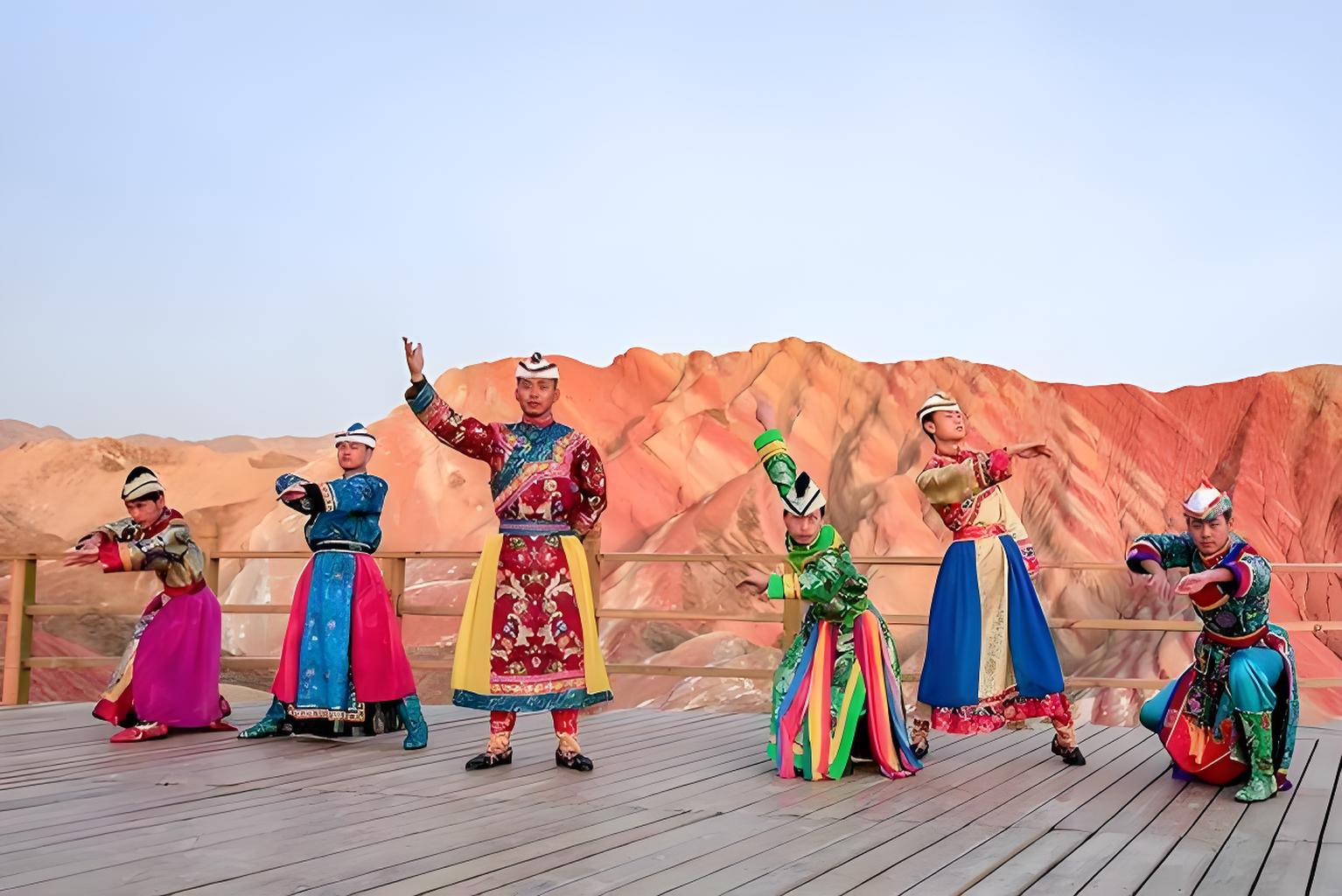
Uyghur dress is expressive, colorful, and reflects a strong sense of regional style and modesty.

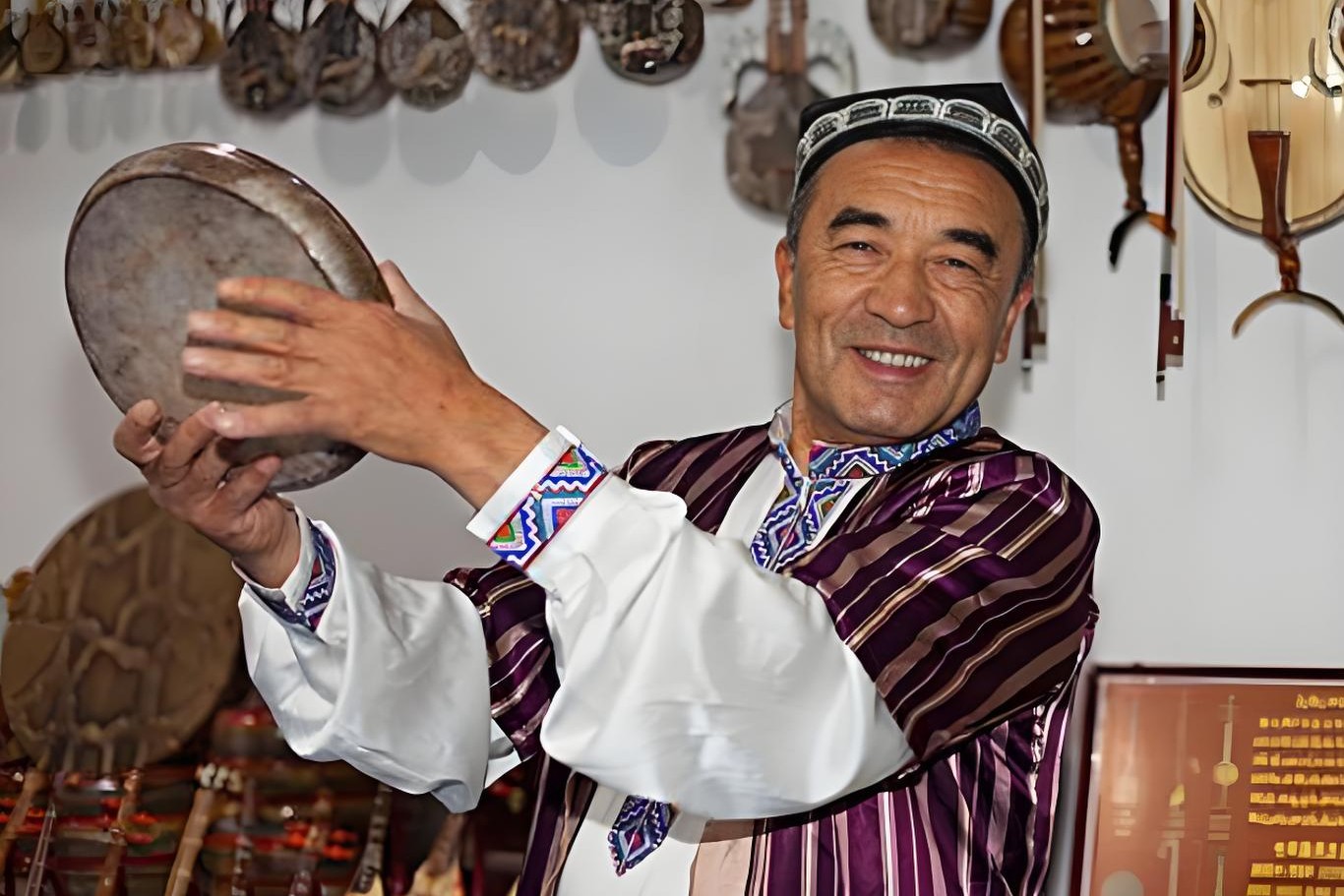
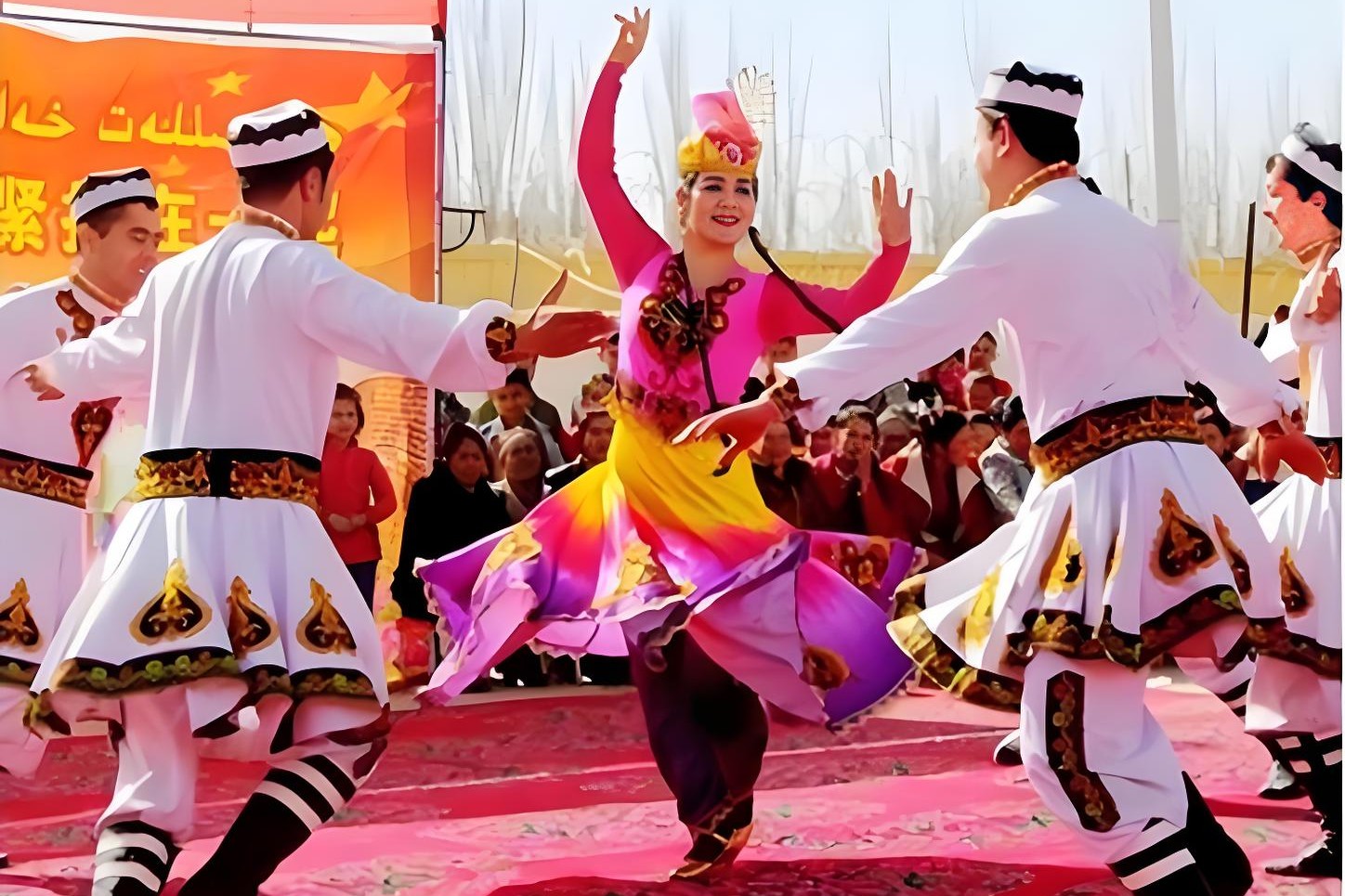
    • Men often wear embroidered skullcaps called doppa, and long tunics.

    • Women wear flowing dresses and brightly patterned headscarves.

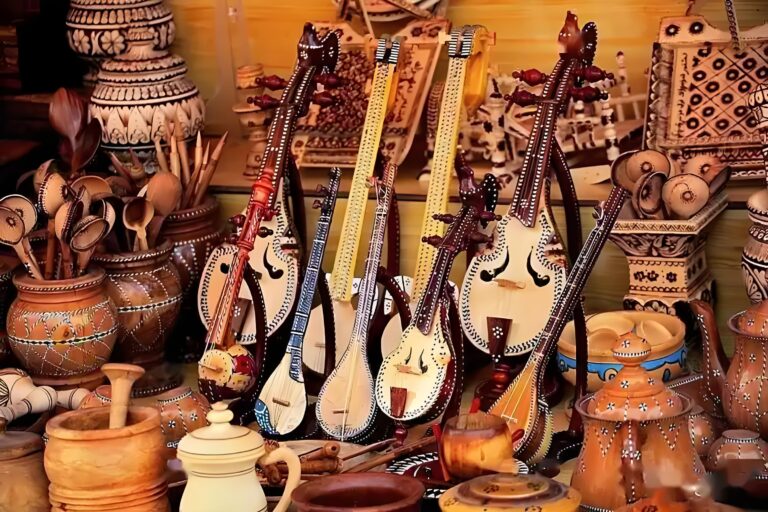
    • Handmade crafts include carpets, copperware, silk embroidery, and hand-carved woodwork.

Festivals are an essential part of Uyghur life, blending Islamic traditions with local customs and hospitality.

  • Eid al-Fitr and Eid al-Adha are the most important Islamic holidays, marked by prayer and feasting.

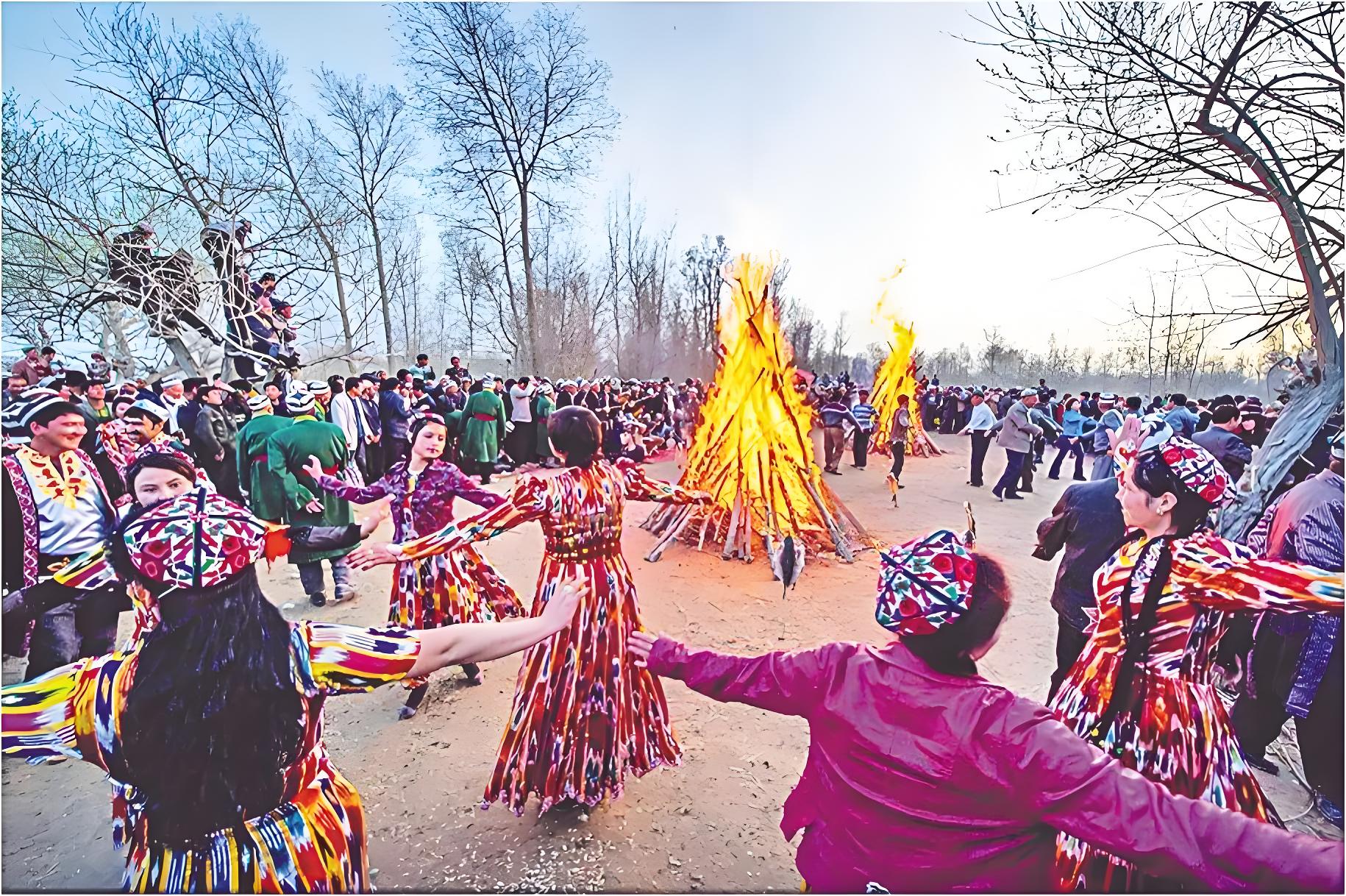
  • Meshrep is a traditional community gathering with music, food, poetry, and dance.

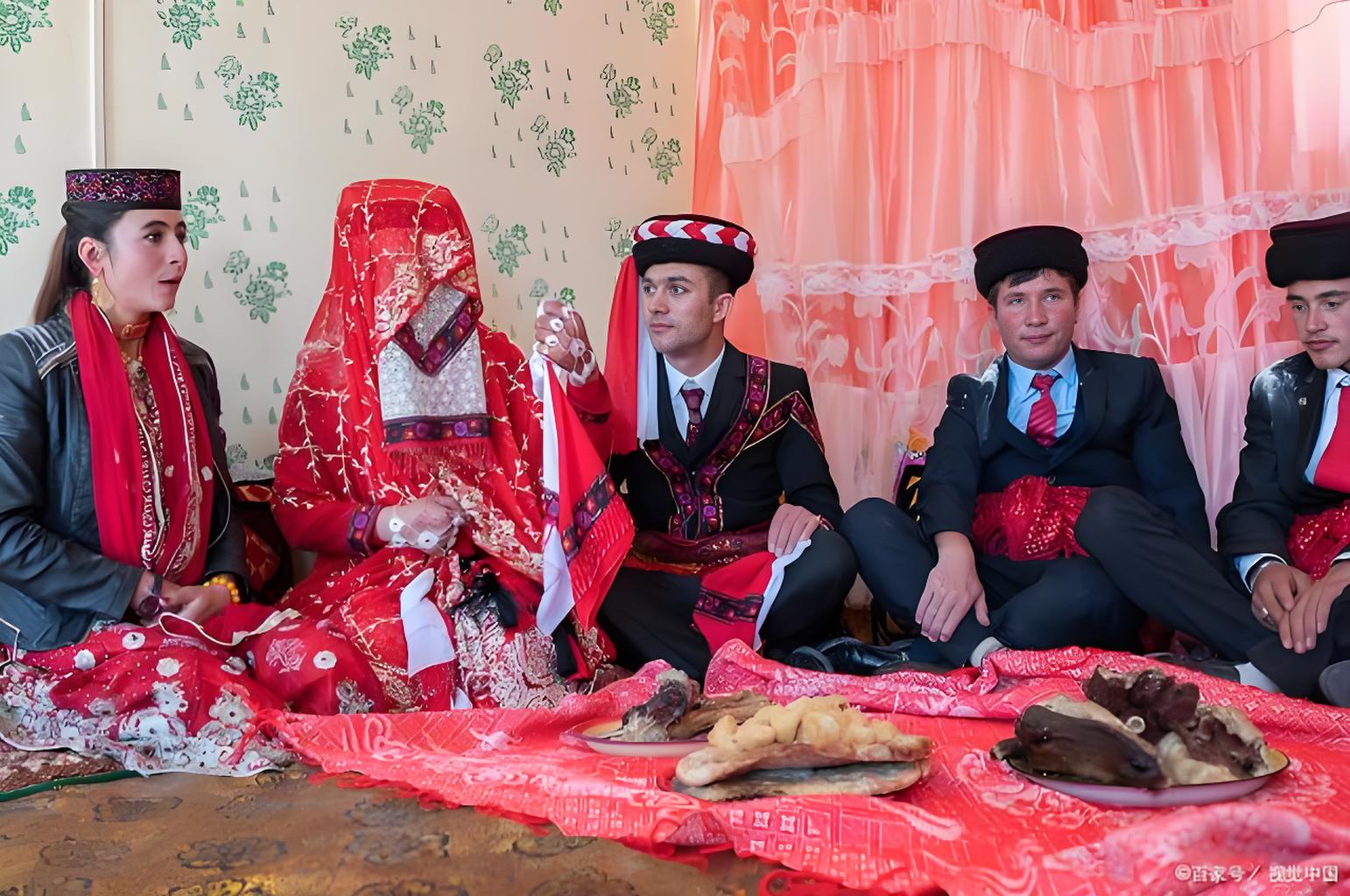
  • Weddings are major social events, often lasting several days with rich cultural rituals.

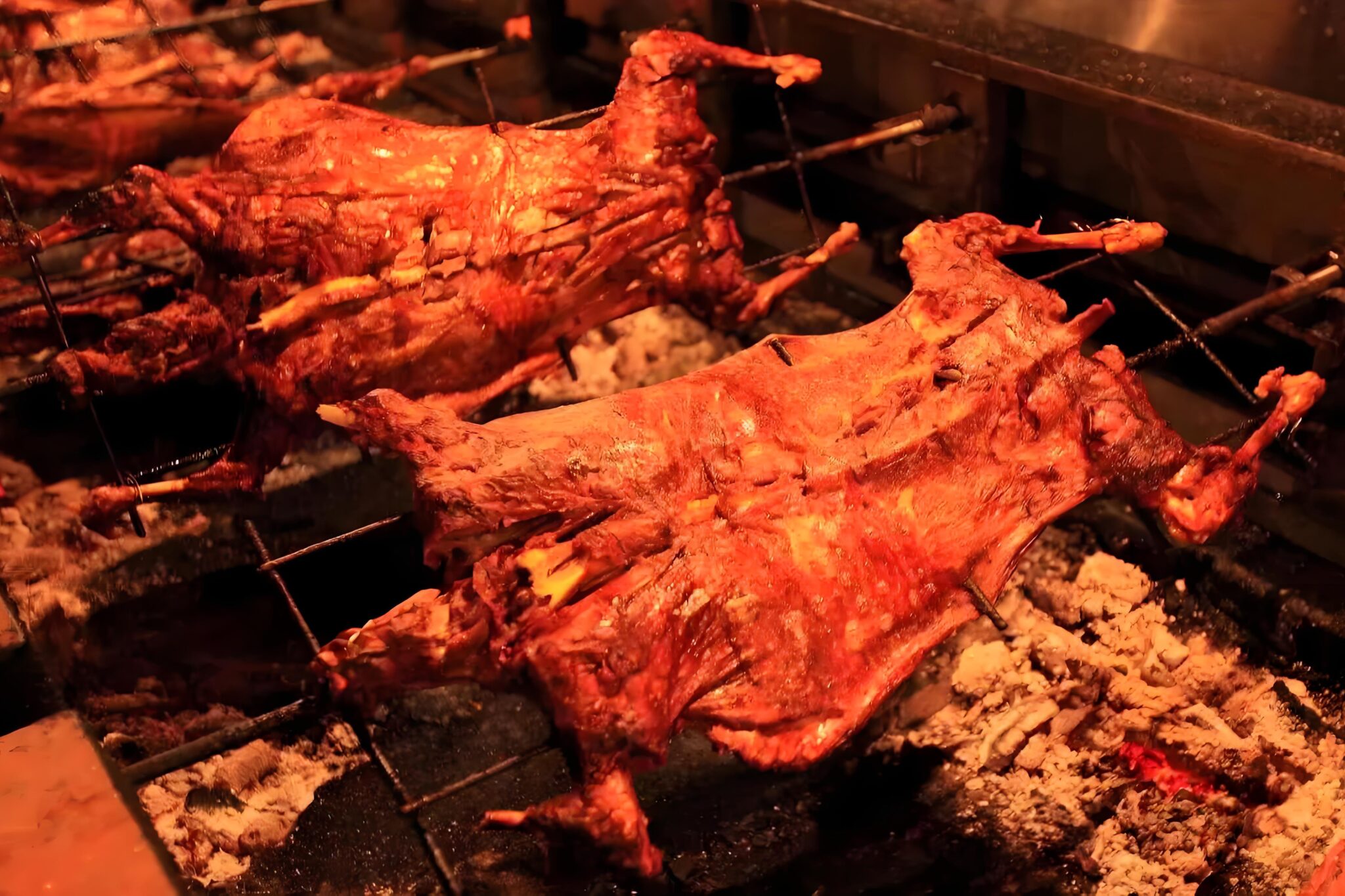
Uyghur food is famous for its bold flavors, rich spices, and satisfying portions—reflecting both nomadic roots and Central Asian influences.

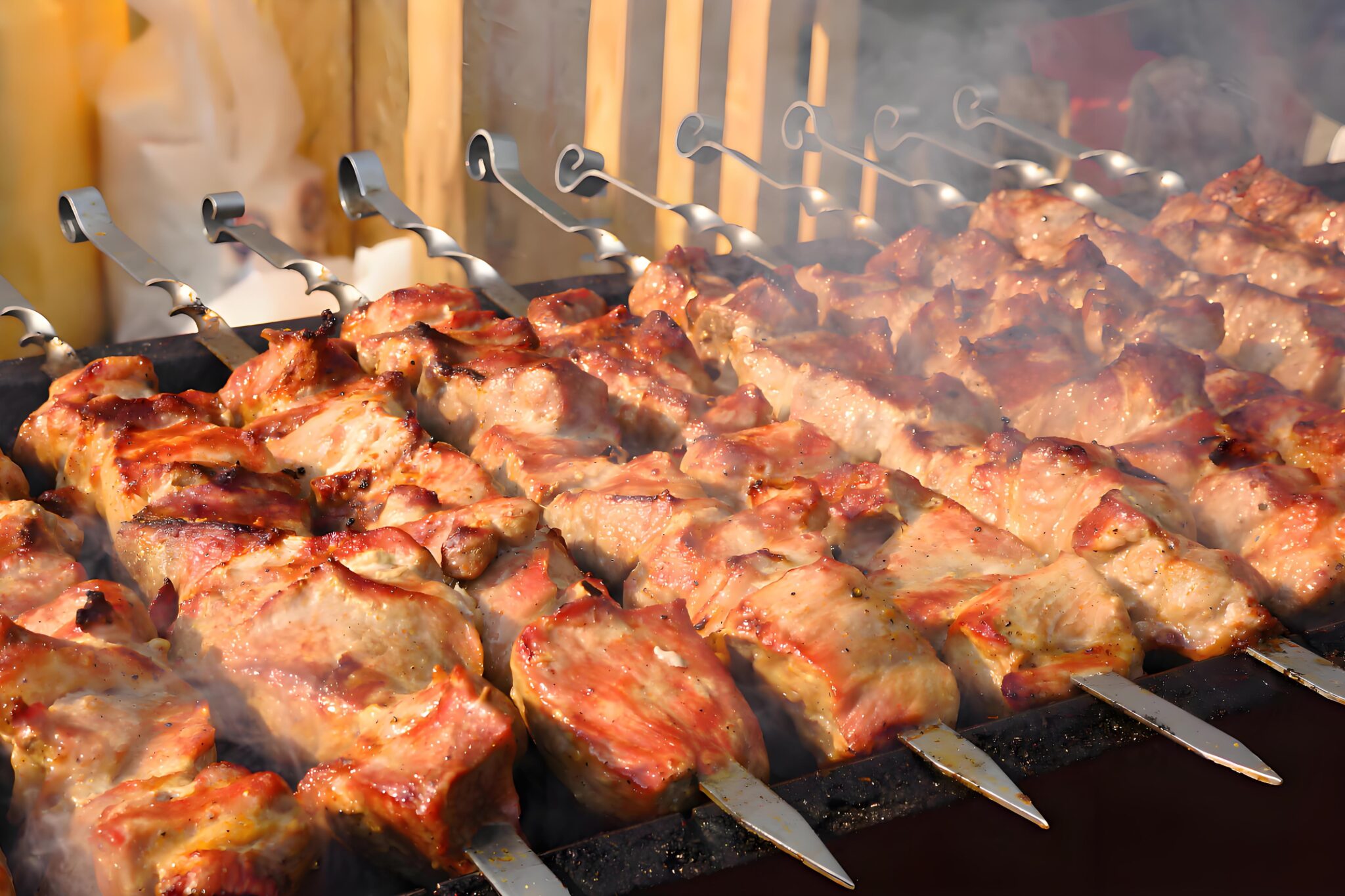
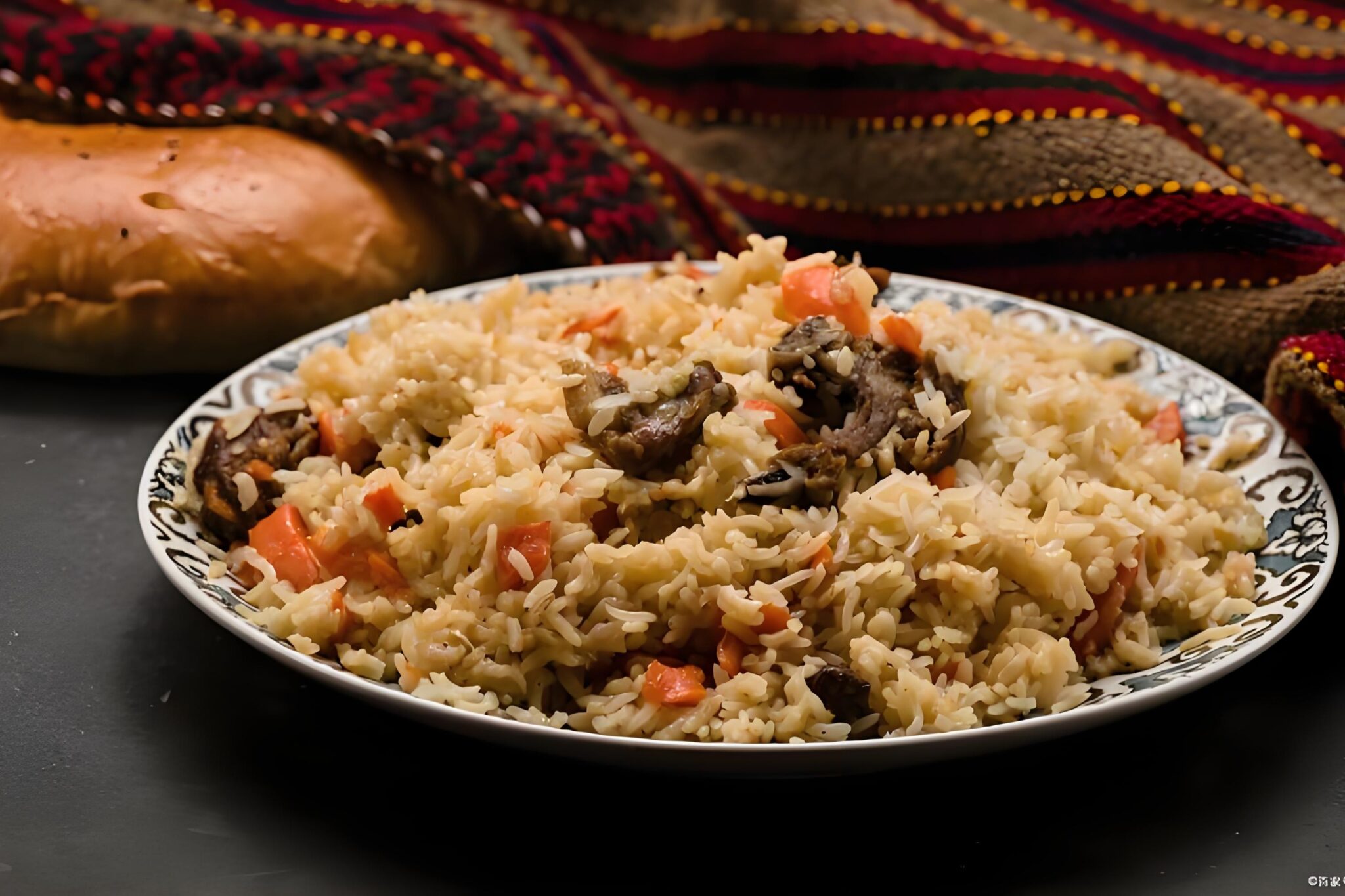
  • Signature dishes include laghman (hand-pulled noodles), kawap (lamb skewers), and polu (rice pilaf).

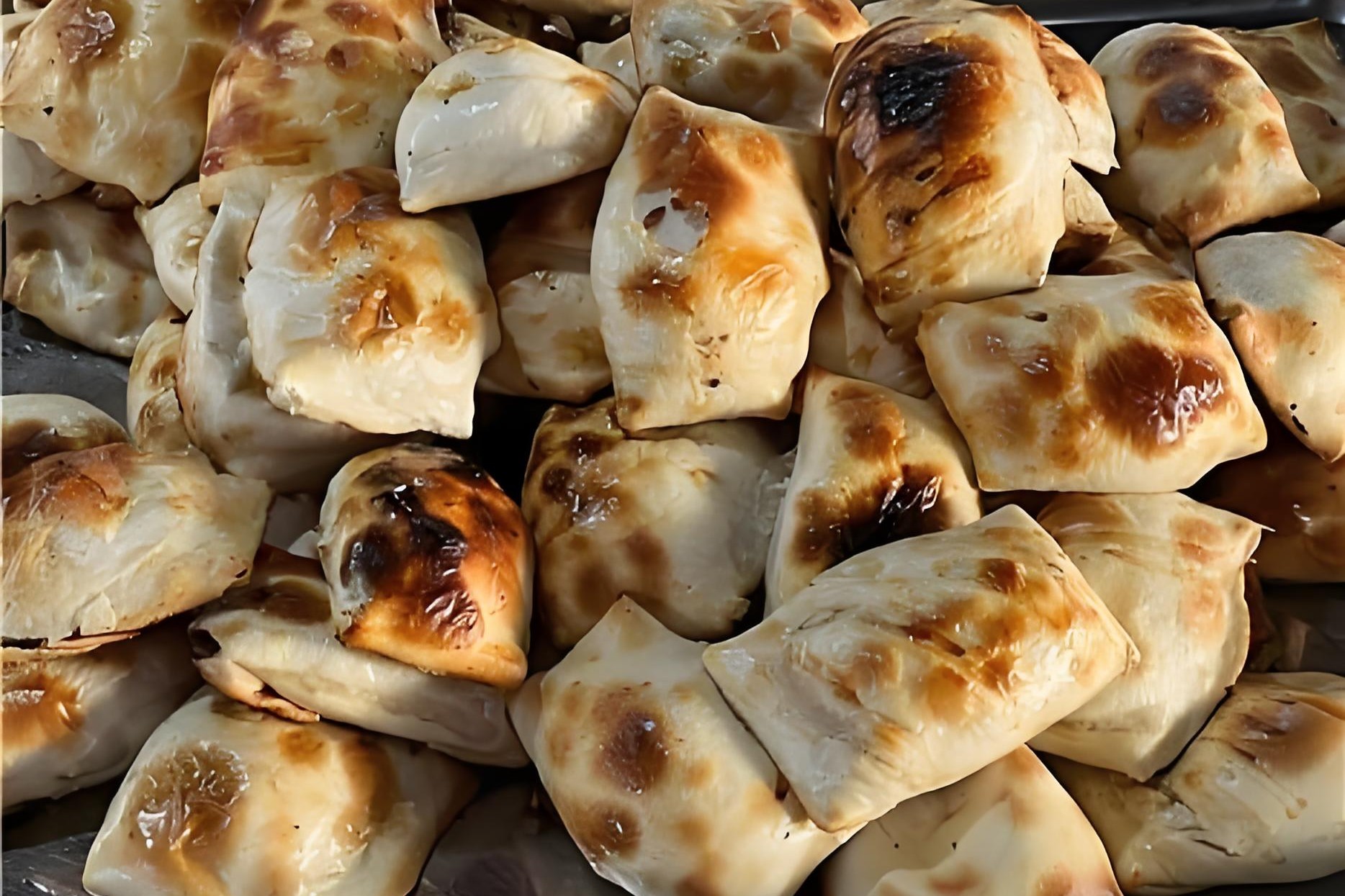
  • Naan bread, baked in tandoor-style ovens, is served with almost every meal.

  • Street food is vibrant and diverse—perfect for culinary exploration.

Music and dance are essential to Uyghur identity, used to express emotion, tell stories, and build community.

  • Muqam, a classical form of music and dance, is UNESCO-recognized.

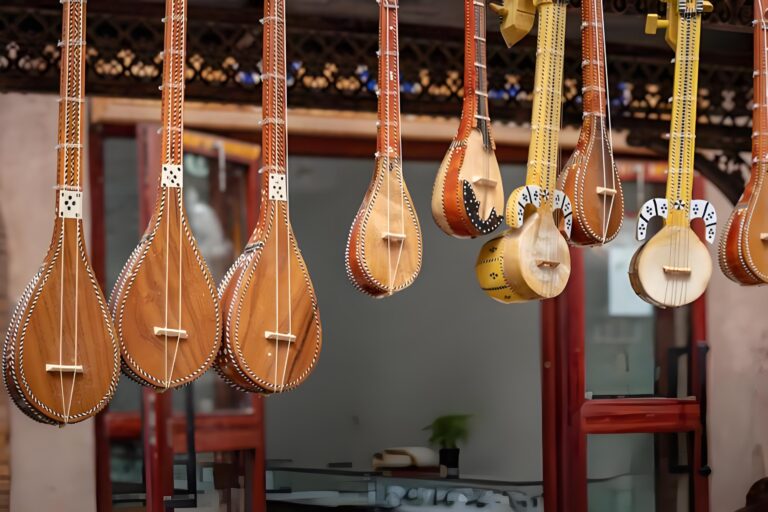
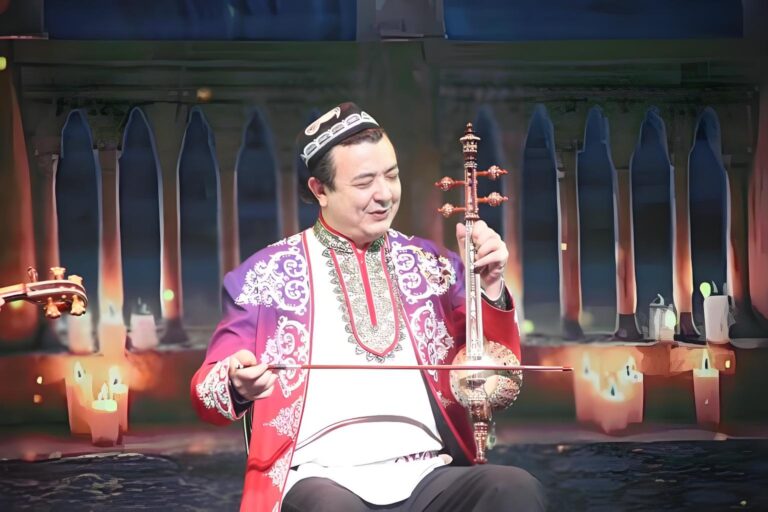
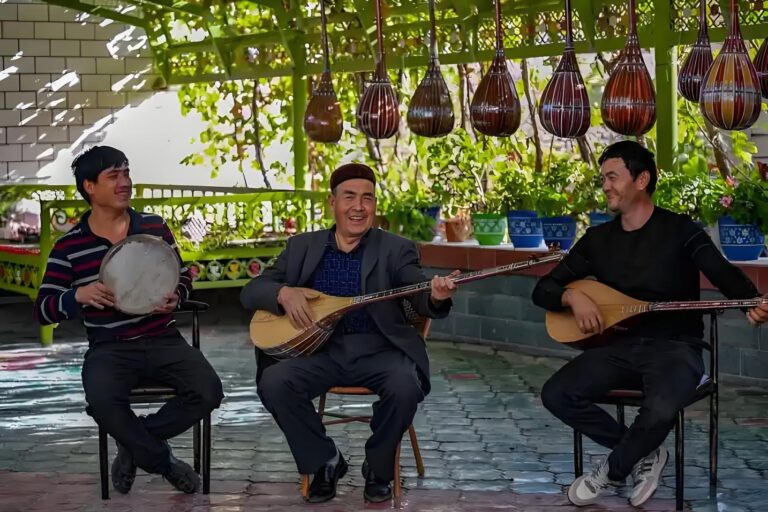
  • Instruments include the rawap, dutar, and tambur.

  • Circle dances and lively drum rhythms are common during festivals and weddings.

Islam plays a central role in Uyghur life, shaping daily customs, family roles, and community values.

  • Most Uyghurs follow Sunni Islam, with prayers, fasting, and mosque visits being regular practices.

  • Mosques are architectural highlights in Uyghur cities and towns.

  • Respect for elders, hospitality, and communal life are core cultural values.

Dong People of Guangxi(广西侗族)

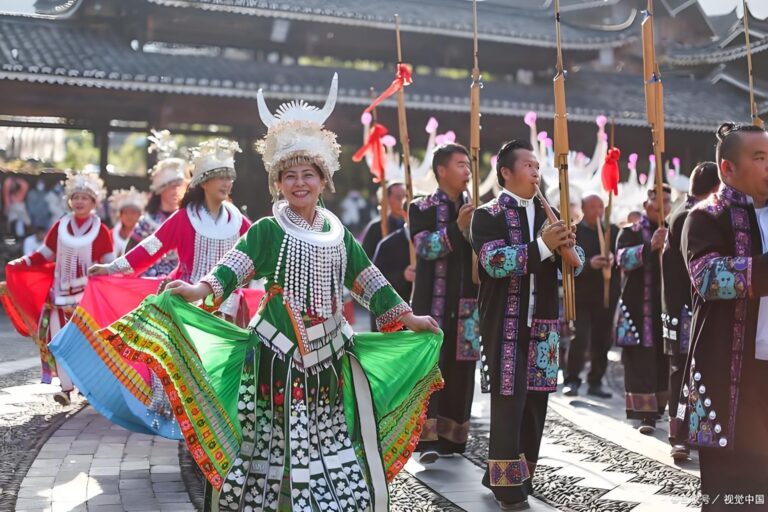
The Dong people are one of China’s officially recognized ethnic minorities, mainly living in the mountainous areas of Guangxi, Guizhou, and Hunan. In Guangxi, Dong villages are known for their harmonious relationship with nature, unique wooden architecture, and a deeply rooted musical tradition.
Famous for their polyphonic singing, drum towers, and wind-and-rain bridges, the Dong people offer a rich cultural experience steeped in craftsmanship, community, and tradition.

Ethnic Identity & History

The Dong are an ethnic group with ancient roots, believed to have descended from the ancient Yue people. Over centuries, they’ve maintained distinct traditions and a close-knit social structure centered around clan and village life.

  • Dong people speak their own language (Kam), though many also speak Chinese.

  • Traditionally, they live in mountainous regions near rivers and rice terraces.

  • Their history is closely tied to farming, woodcraft, and oral storytelling.

  • Dong architecture is both functional and artistic, with villages built around communal wooden structures.

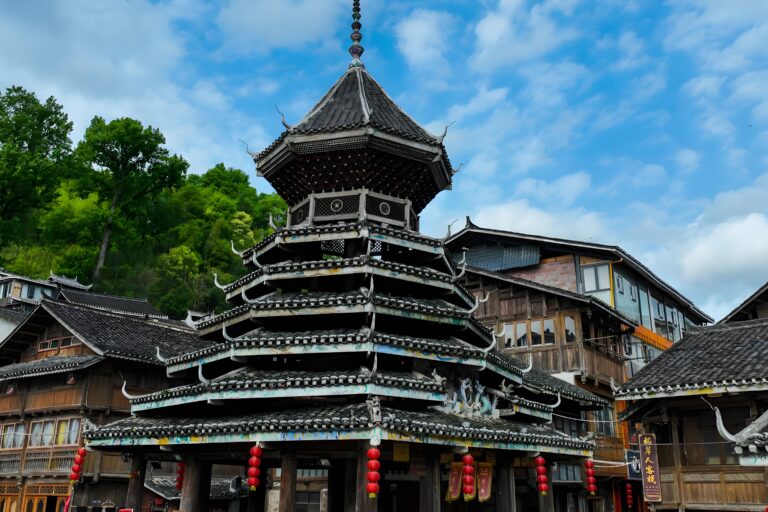
    • Drum Towers are iconic—multi-tiered wooden towers without nails, serving as meeting halls and symbols of unity.

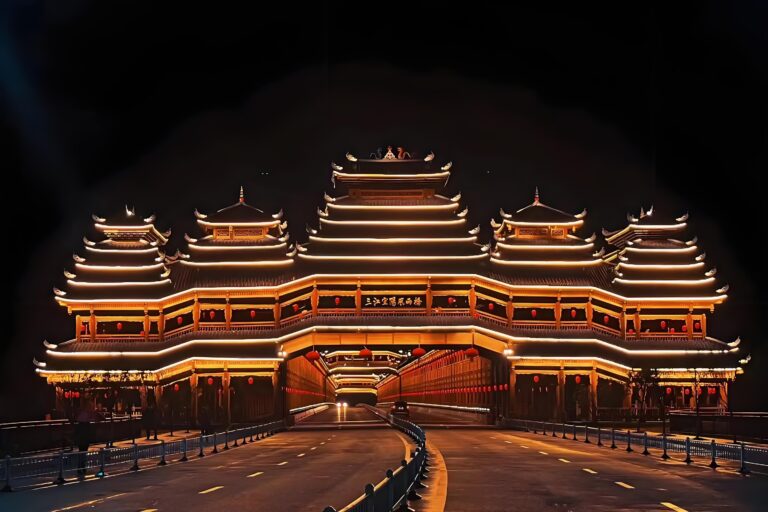
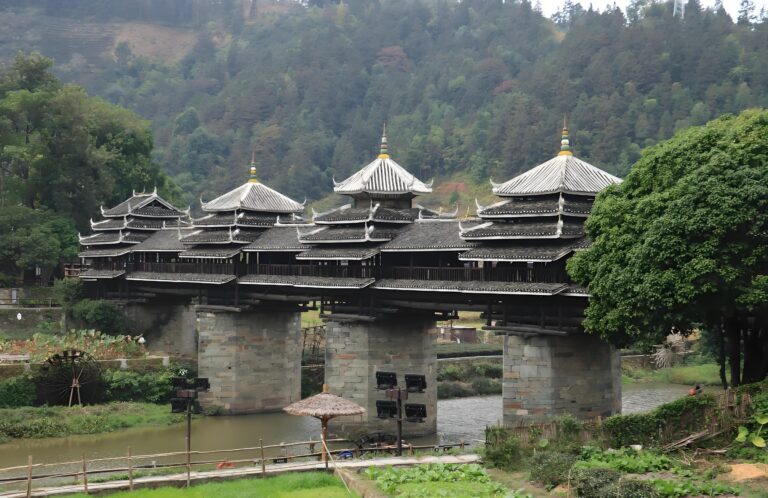
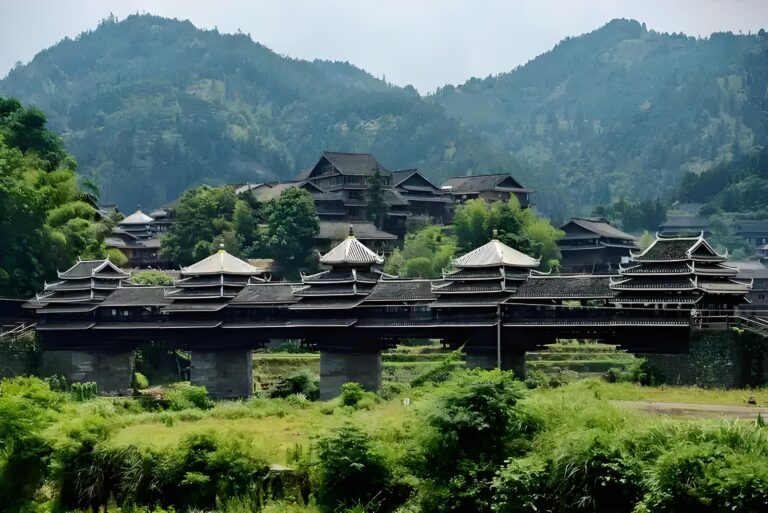
    • Wind-and-Rain Bridges are covered wooden bridges with pavilions, offering shelter and social space.

    • All are built using interlocking wood joinery, reflecting master craftsmanship and harmony with nature.

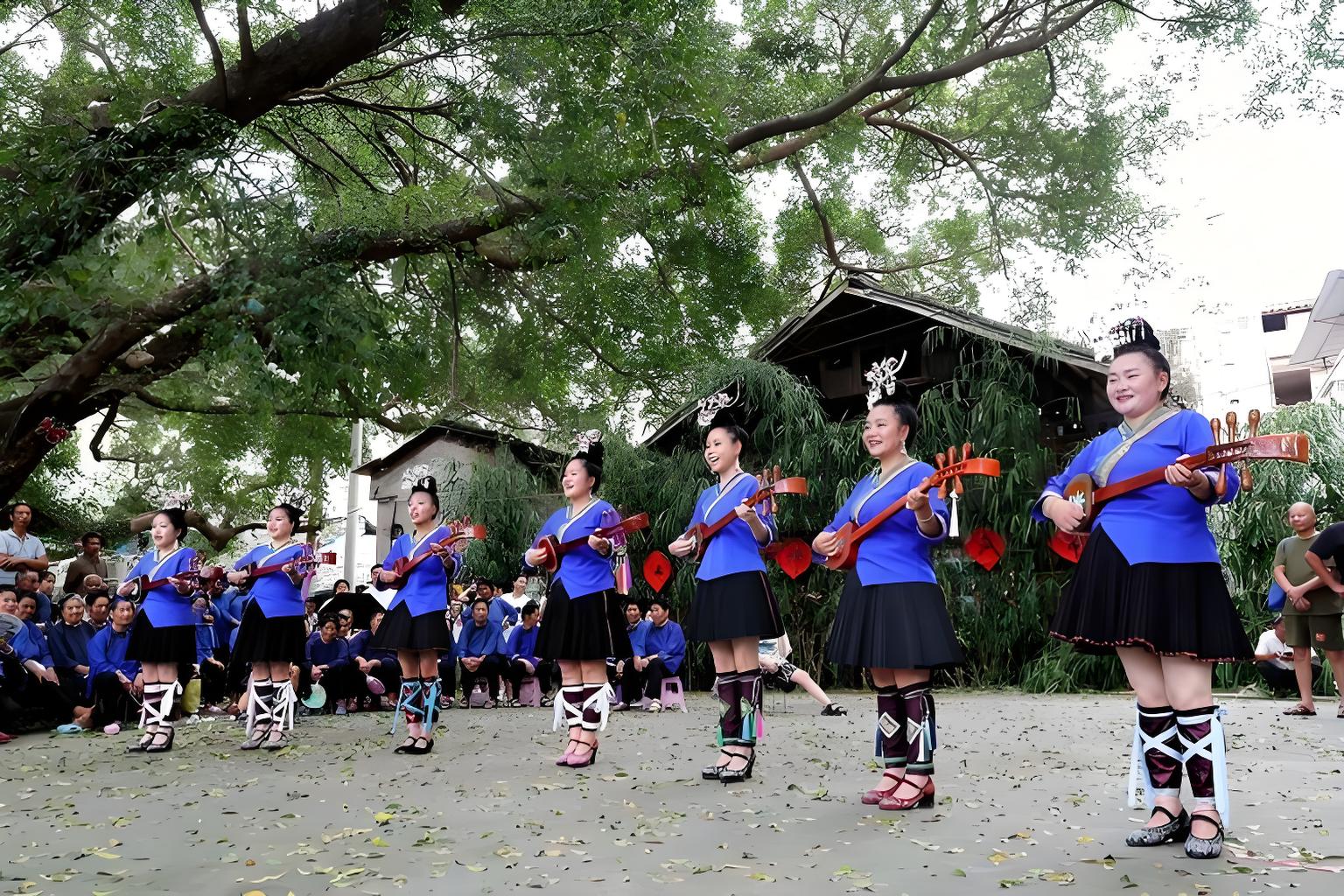
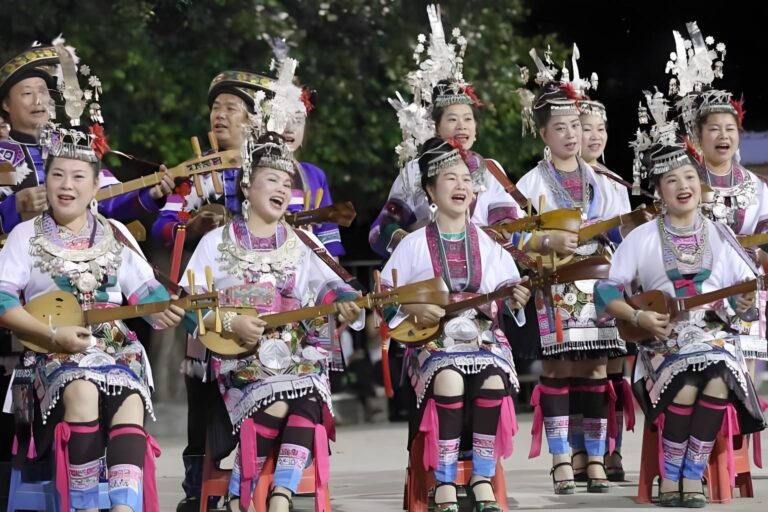
The Dong are world-renowned for their vocal music, especially their multi-part Grand Songs, performed without instruments or conductors.

  • Dong Grand Songs are UNESCO-recognized as Intangible Cultural Heritage.

  • Themes include nature, love, daily life, and moral values.

  • Singing is taught from a young age and often performed in groups during festivals and village gatherings.

Festivals are a major part of Dong culture, blending ancestor worship, agricultural rituals, and joyful performances.

  • Dong New Year (usually in November) includes feasting, bullfighting, and cultural shows.

  • Traditional weddings last several days, with elaborate dowry processions and music.

  • Village gatherings often include communal rice wine drinking and singing competitions.

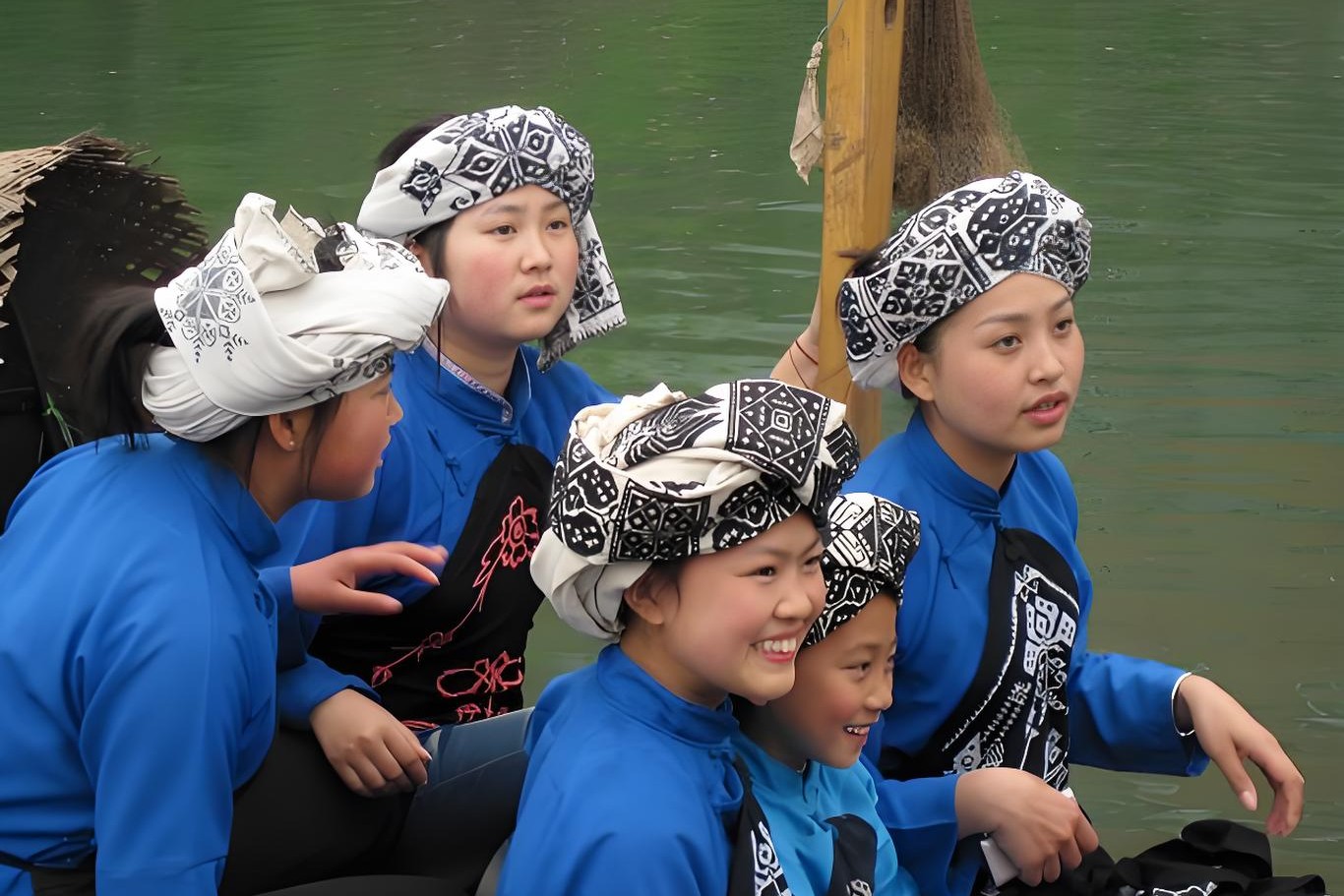
Dong attire is simple yet elegant, often handmade using natural dyes and weaving techniques passed down through generations.

  • Women wear indigo-dyed clothing with silver jewelry and embroidered aprons.

  • Men wear dark tunics and round caps.

  • The Dong are skilled in weaving, batik, and silverwork—often sold in local markets.

The Dong lifestyle is rooted in harmony with nature, rice farming, and self-sustaining communities.

  • Rice terraces, wooden granaries, and fish-duck symbiosis farming are common.

  • Villages operate collectively, and sharing labor is a cultural norm.

  • Traditional houses are stilted wooden structures, built to withstand rain and humidity.