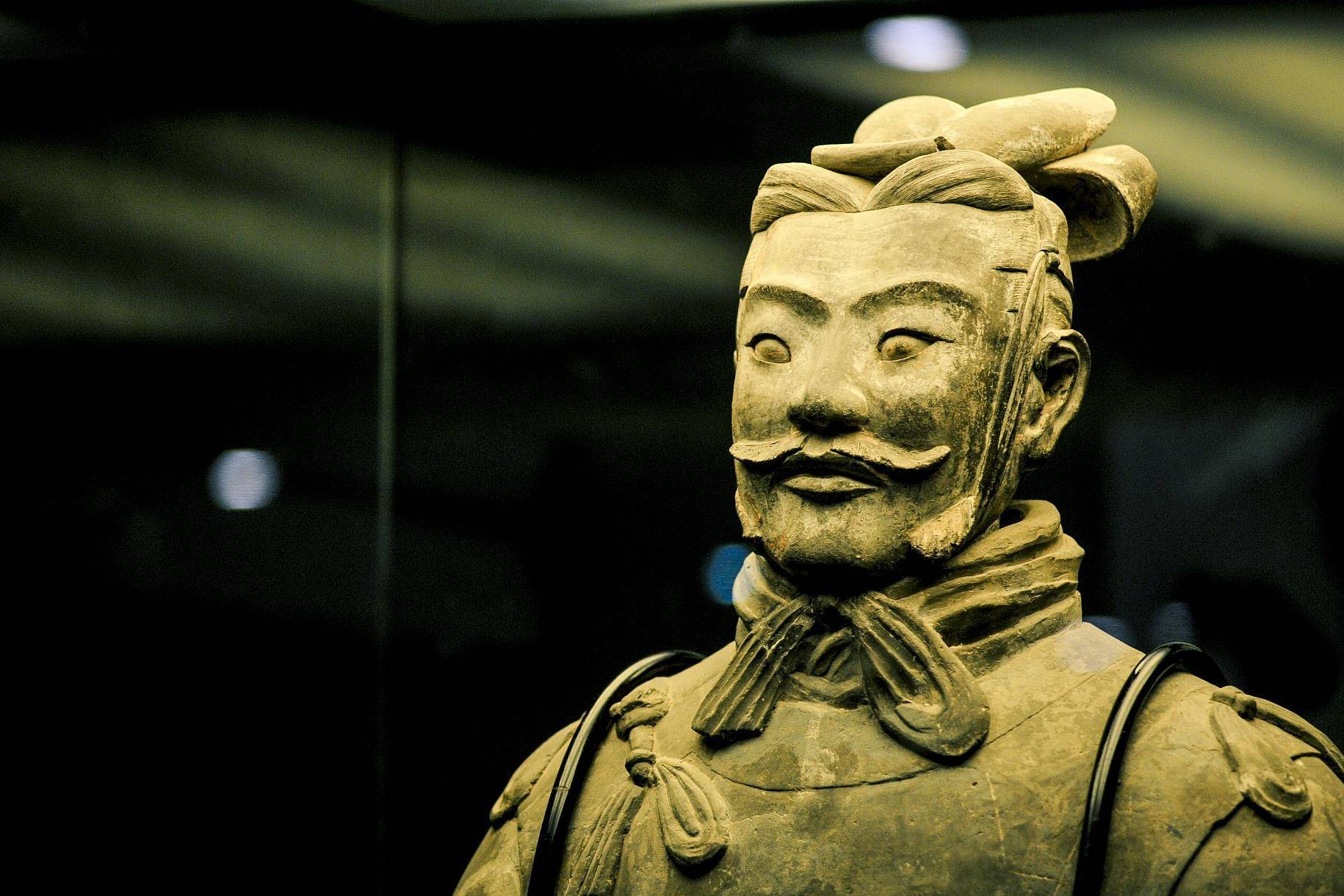
Classic Hexi Corridor
Xi’an → Zhangye → Dunhuang

Xinjiang Adventure
Urumqi → Turpan → Kashgar → Tashkurgan
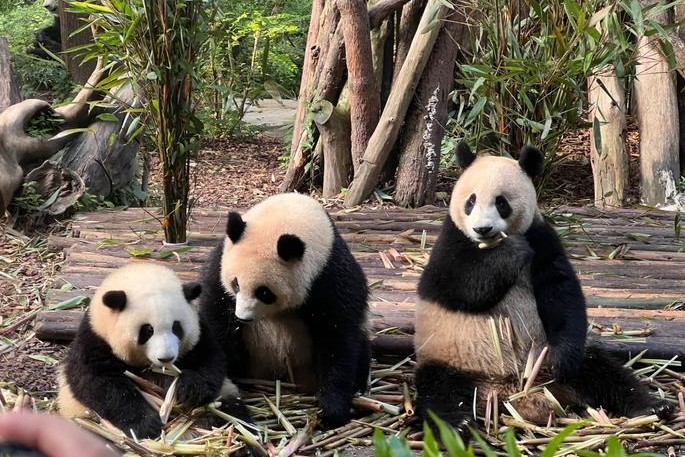
Southern Silk Road
Chengdu → Yunnan → Myanmar

From Ancient Trade Routes to Modern Cultural Journeys
Stretching from China to the Mediterranean, the Silk Road was more than a trade route—it was a bridge connecting civilizations, cultures, and ideas for over a thousand years.
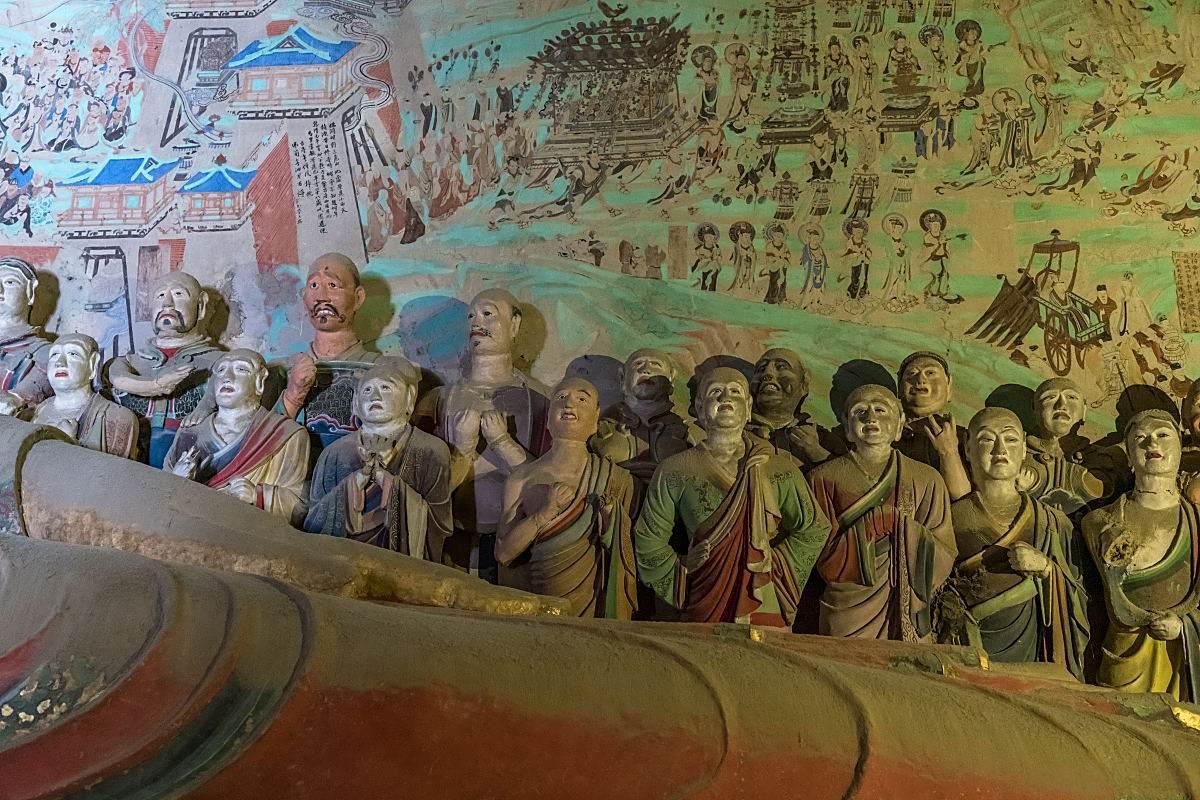
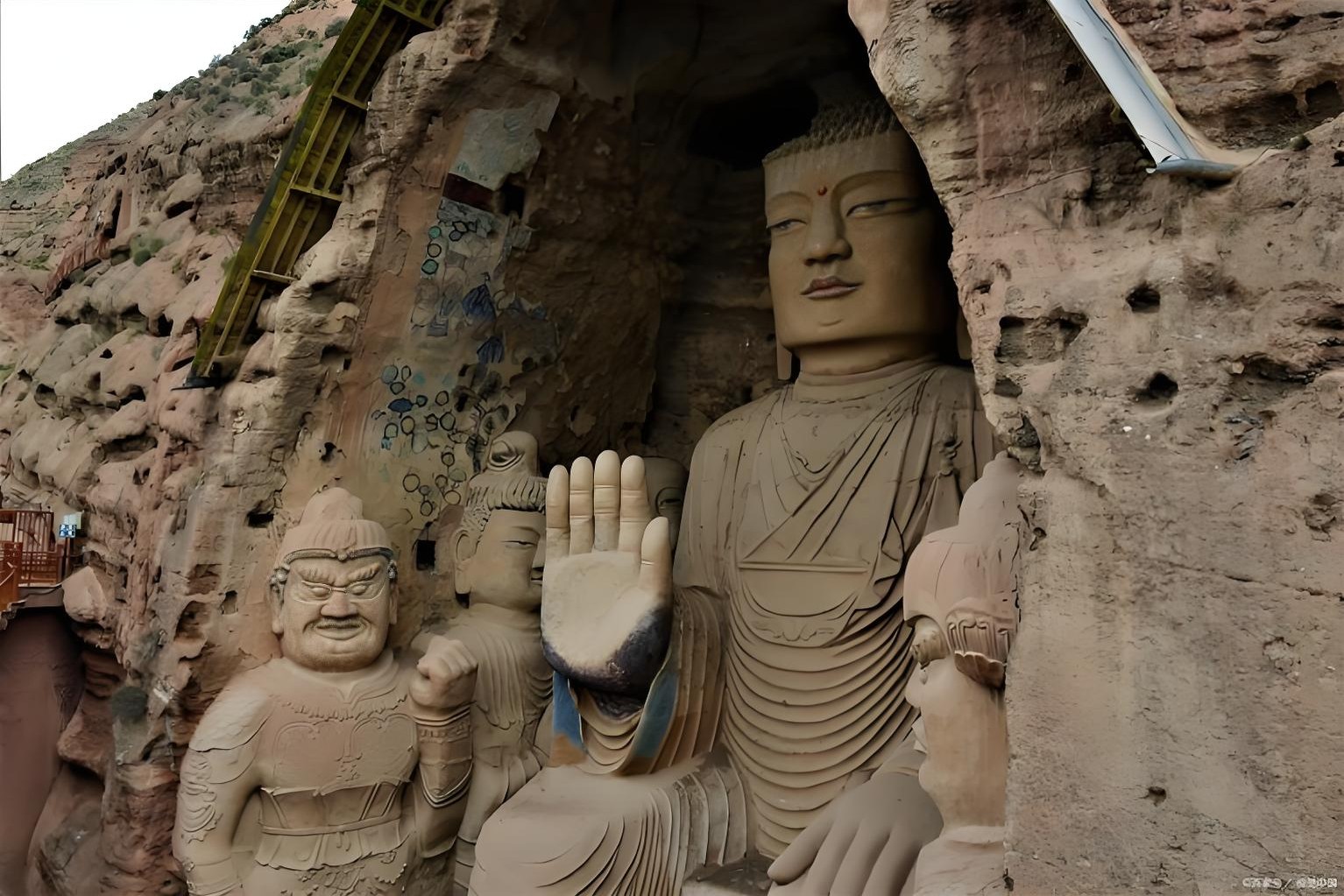
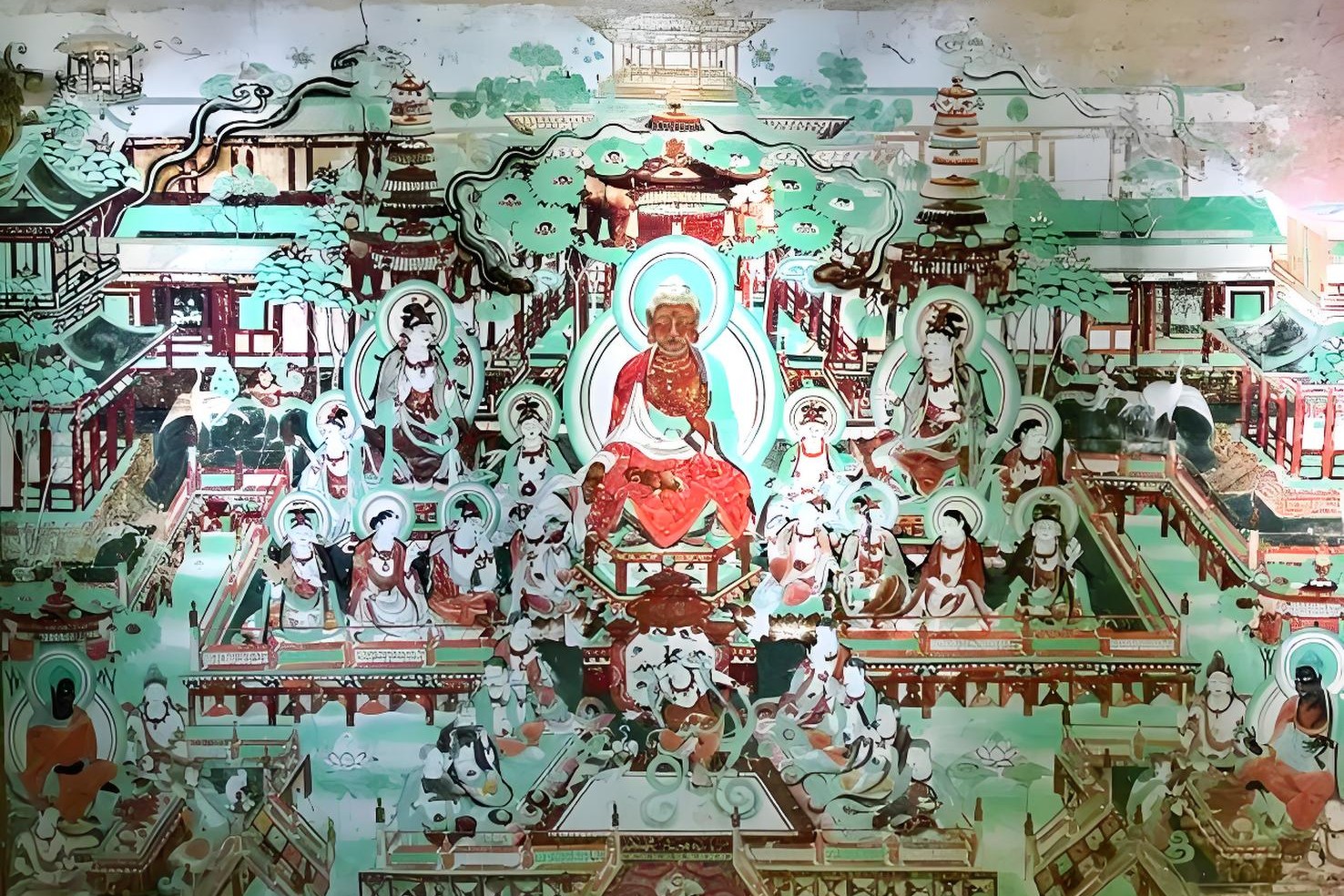
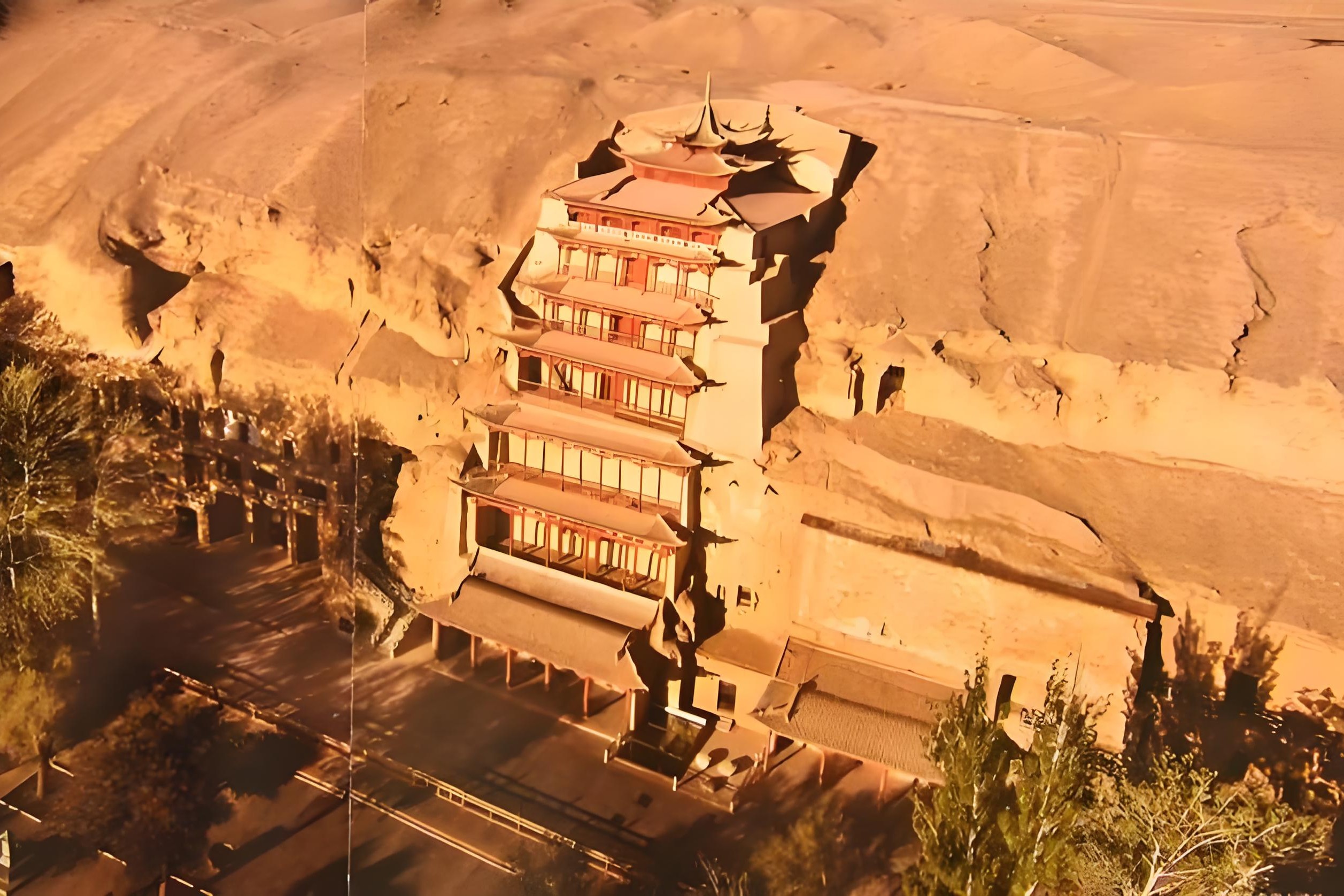
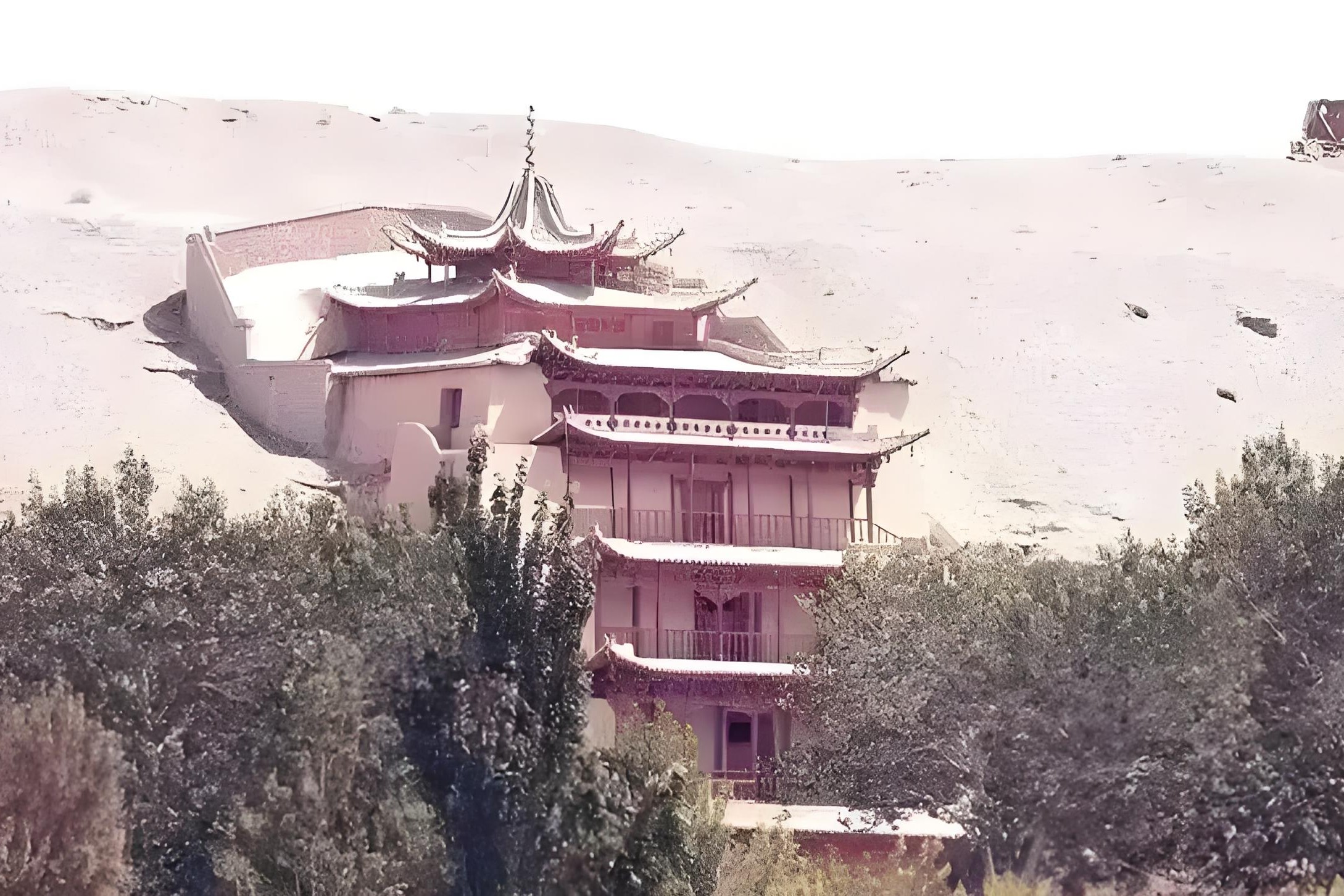
A UNESCO World Heritage Site, the Mogao Caves house thousands of Buddhist murals and statues dating back over 1,000 years, offering a vivid glimpse into the cultural exchanges along the Silk Road.
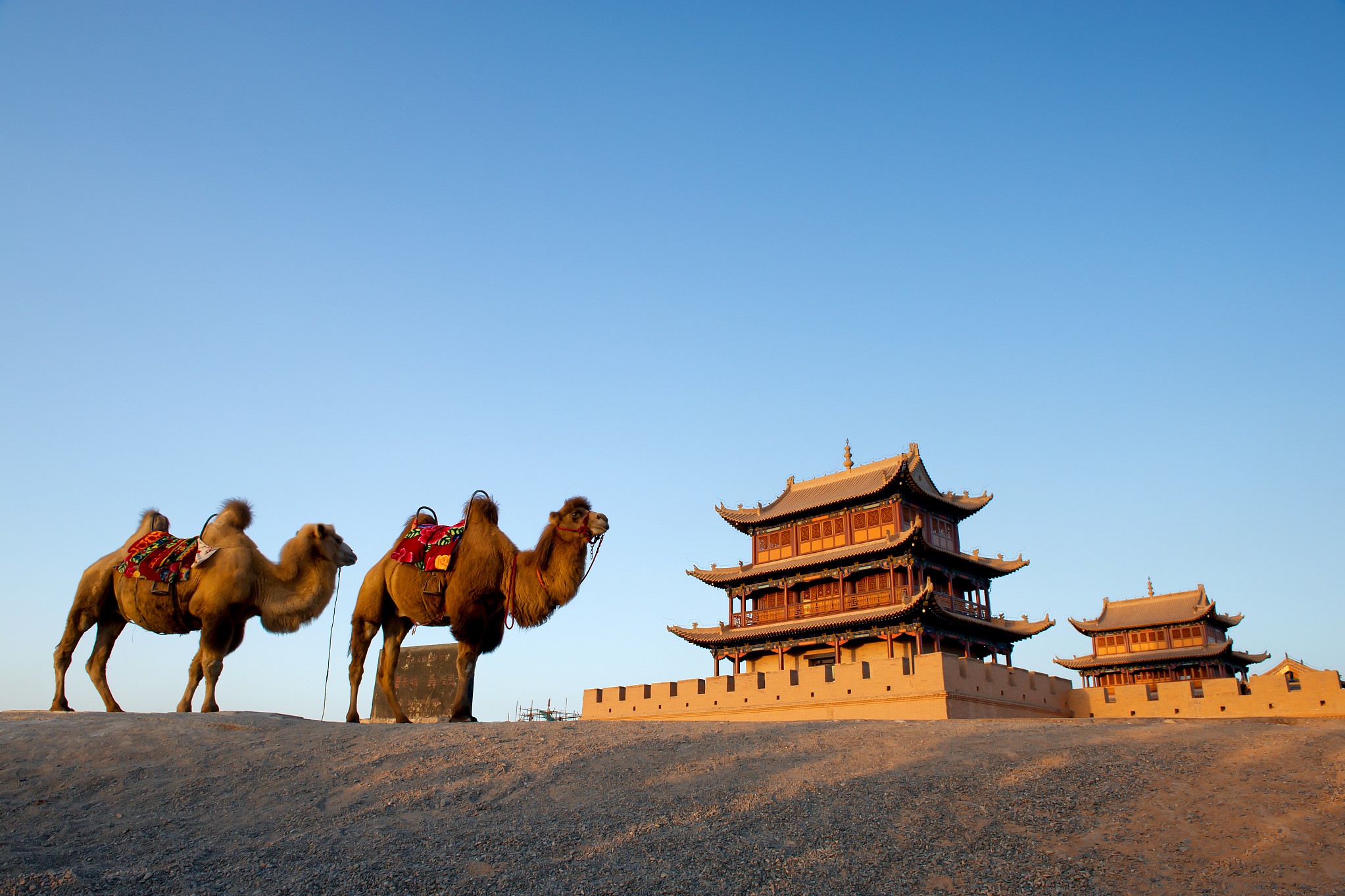
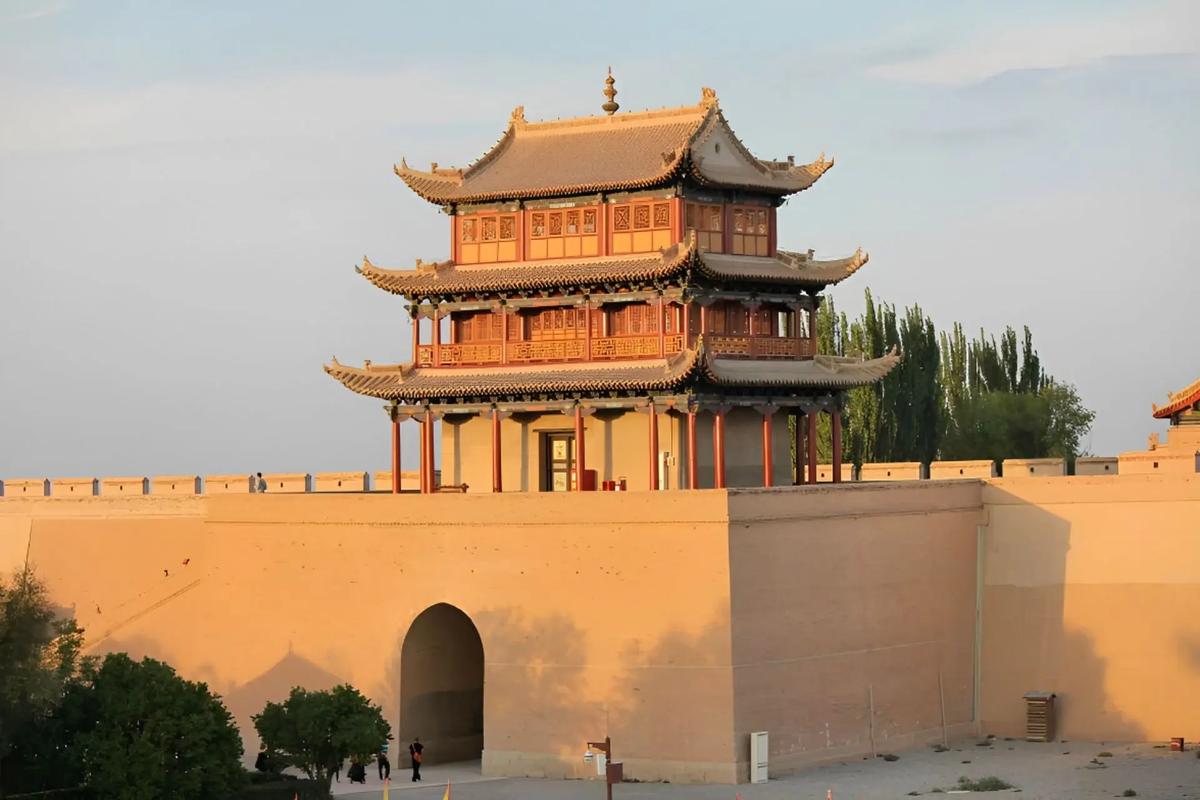
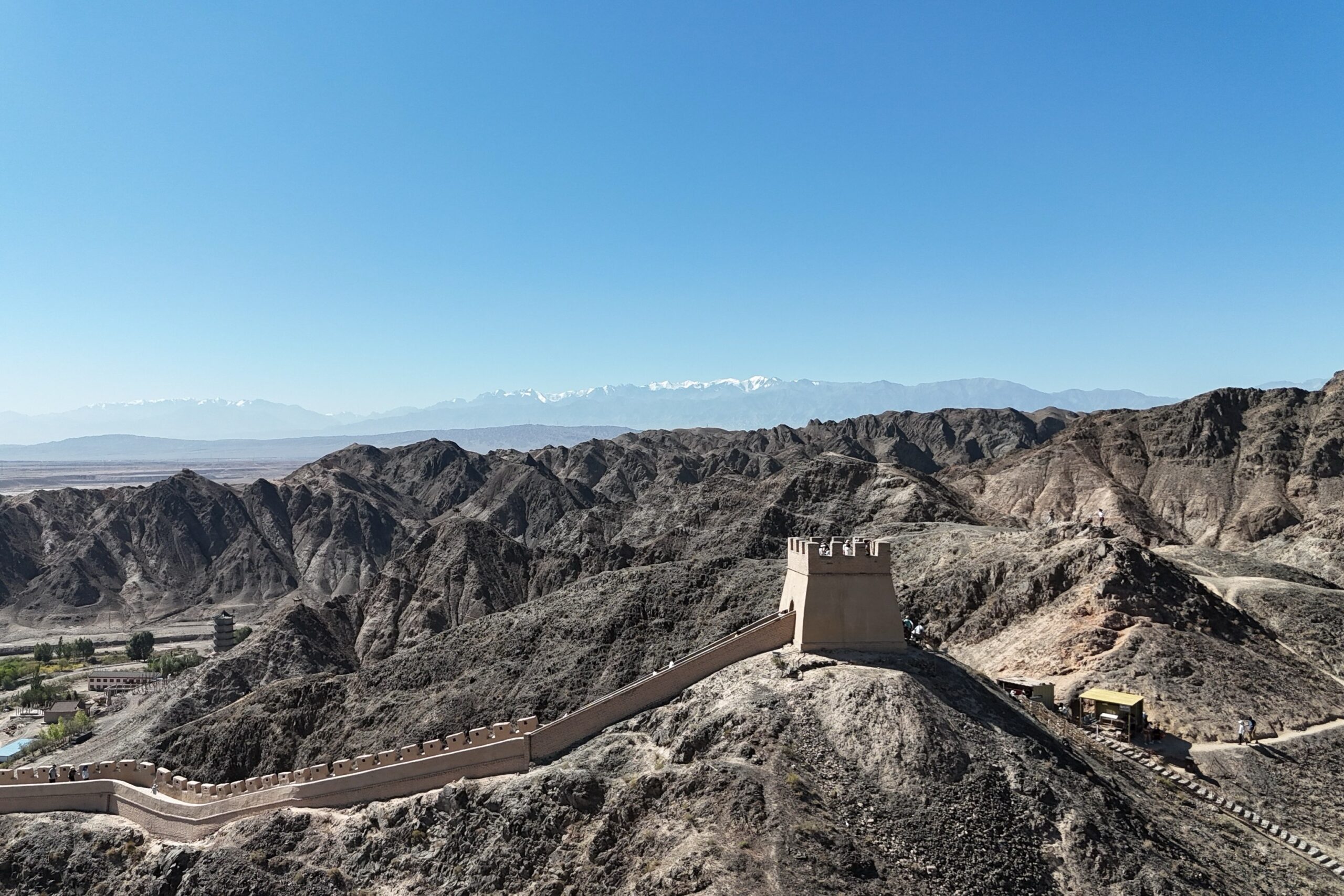
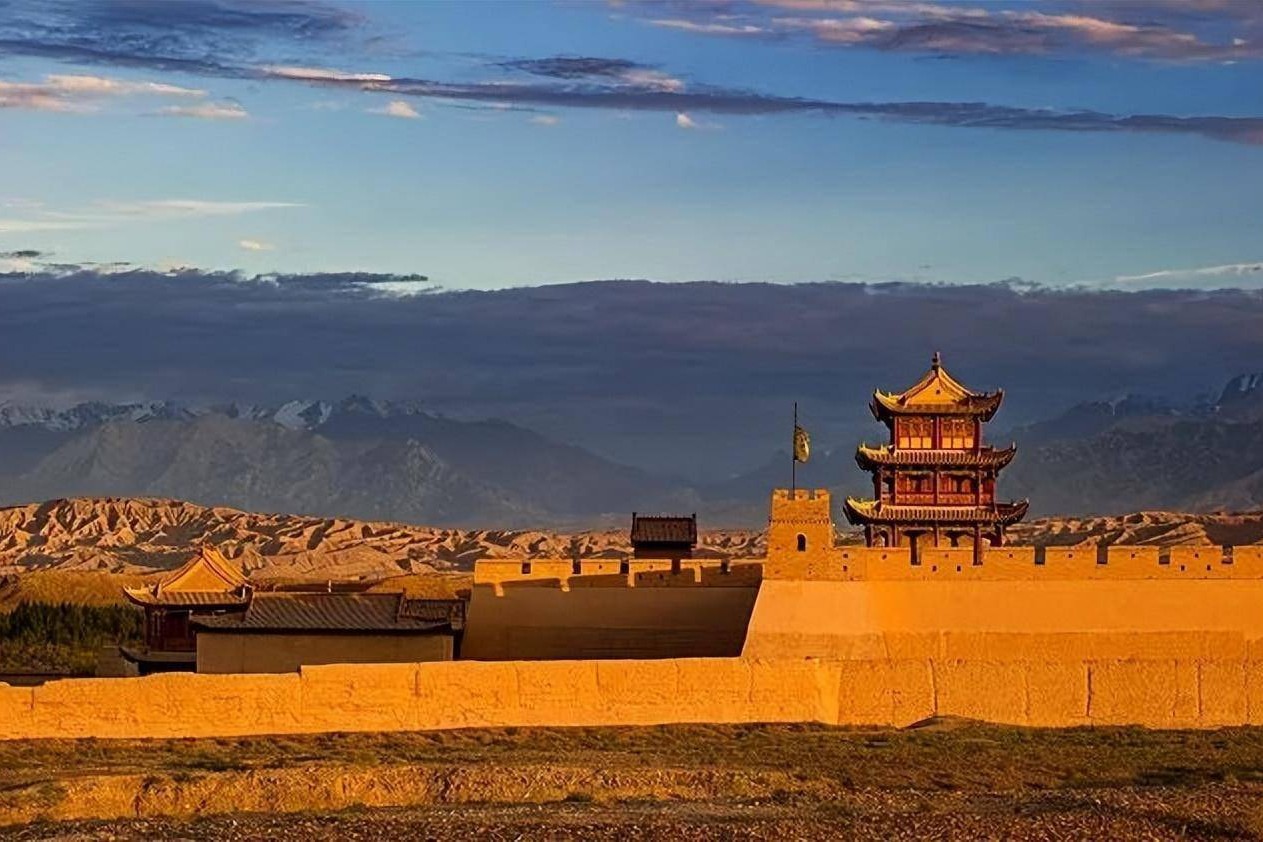
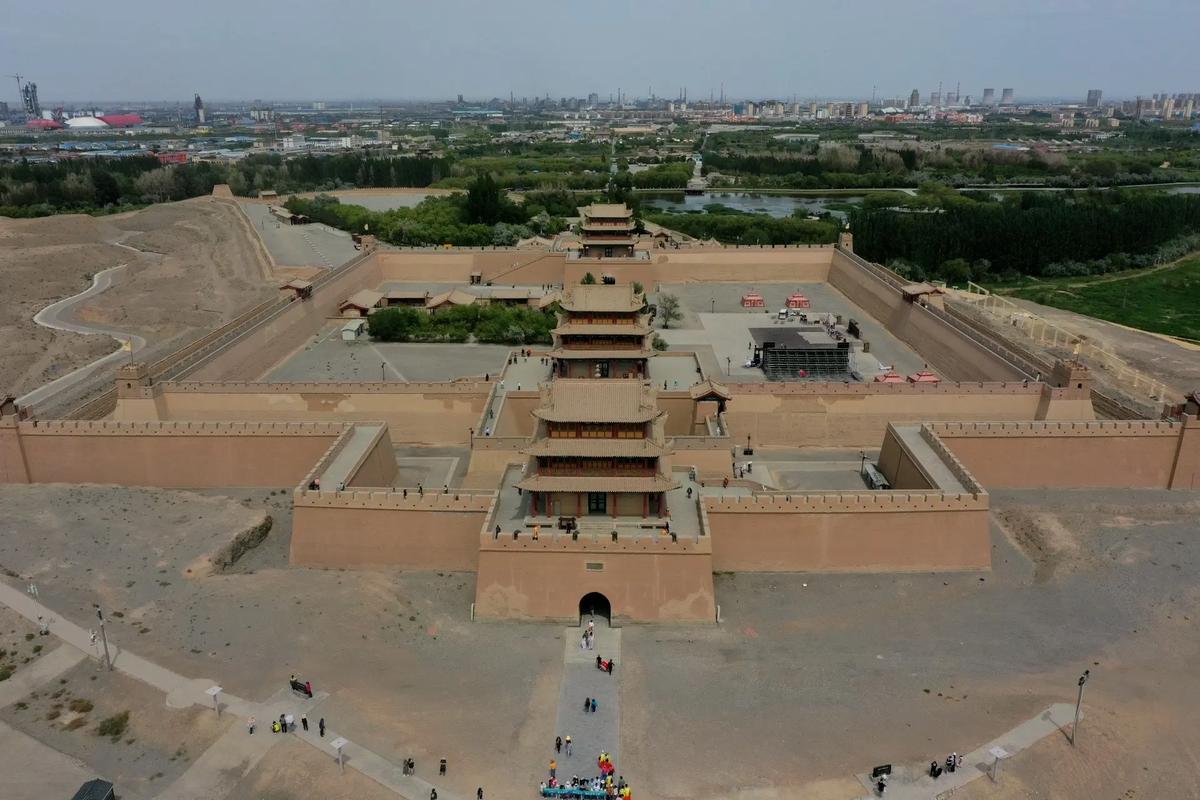
Known as the western gateway of the Great Wall, Jiayuguan Pass is a grand fortress marking the strategic end of the Ming-era wall and a vital checkpoint on the Silk Road.
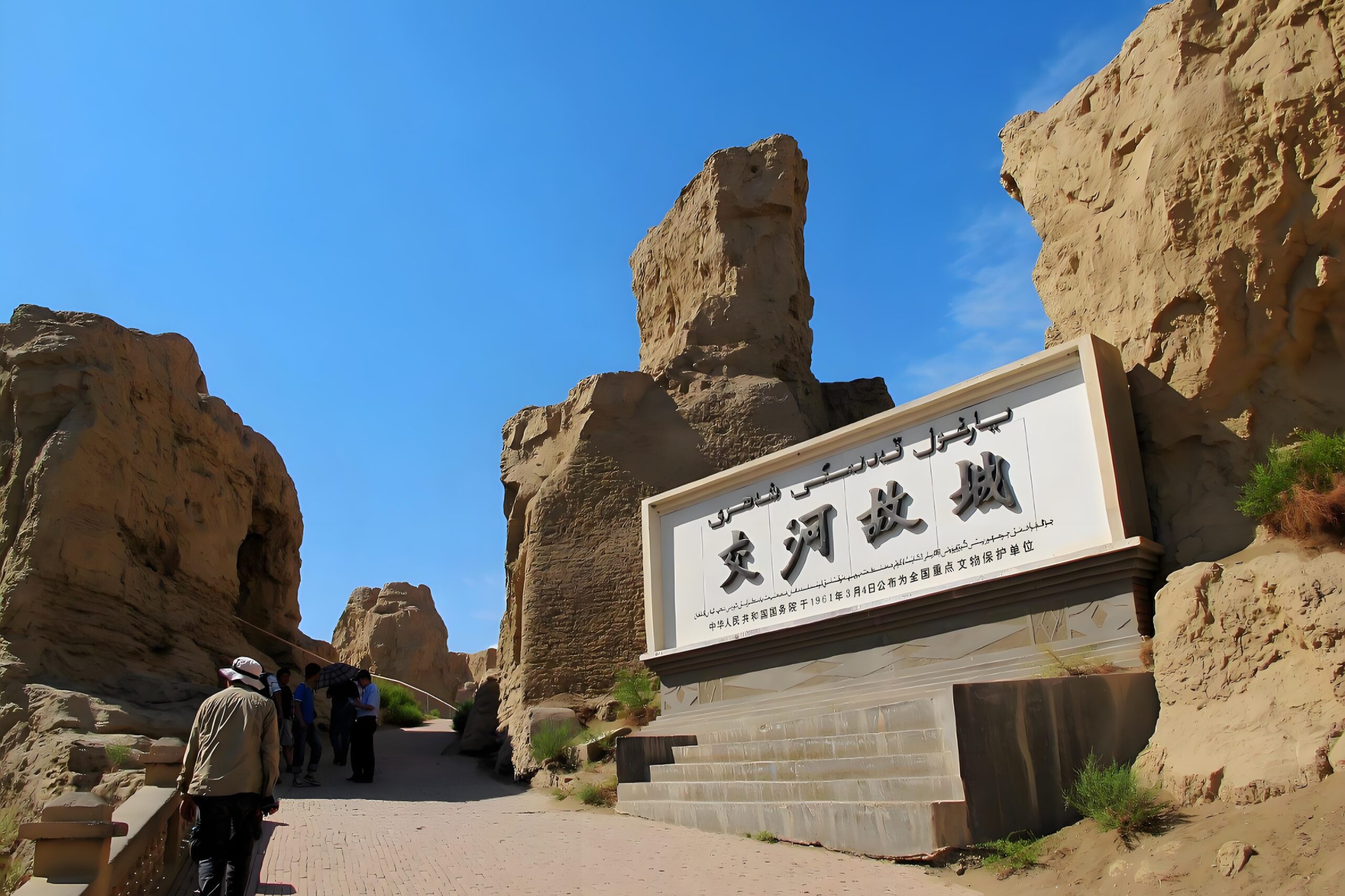
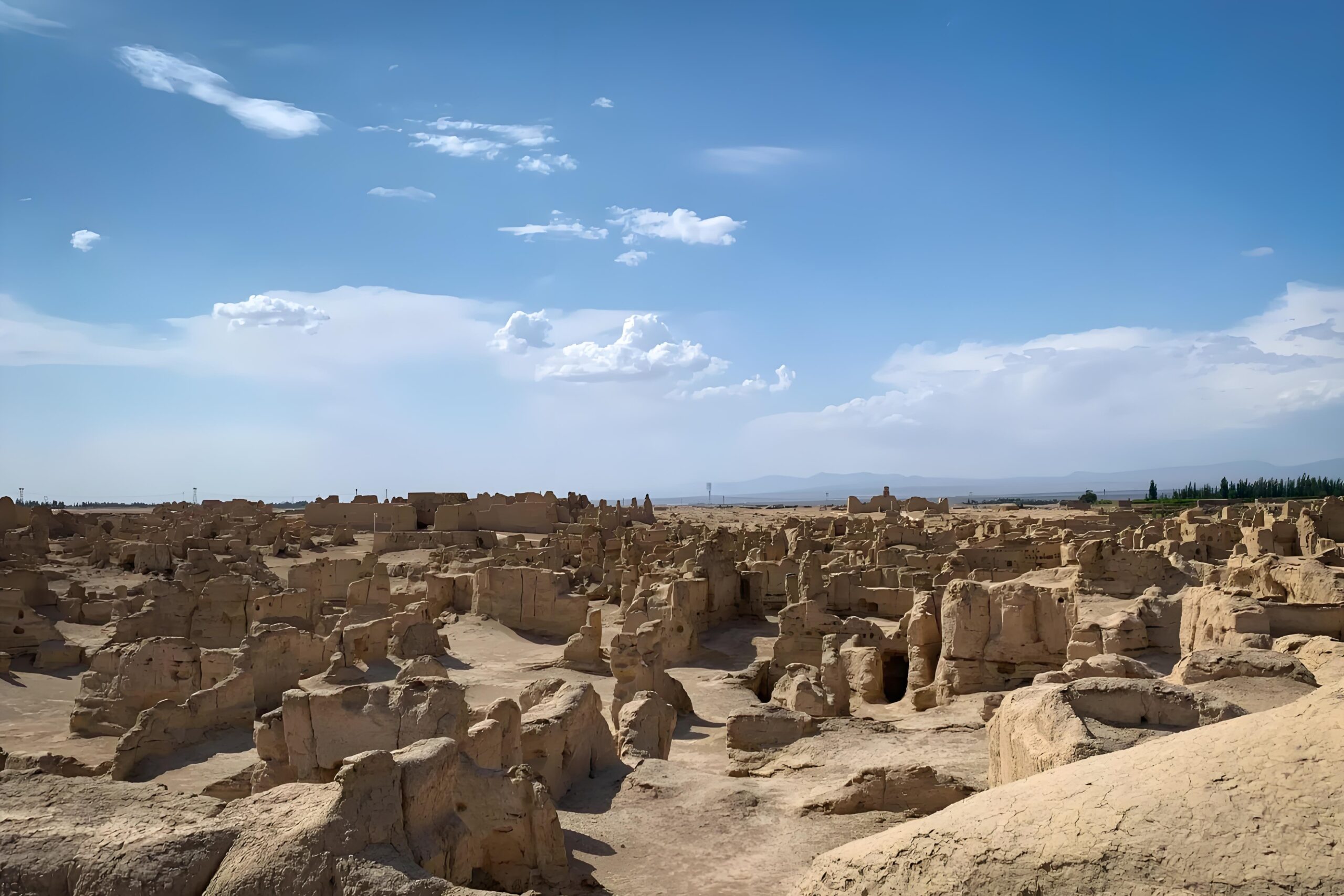
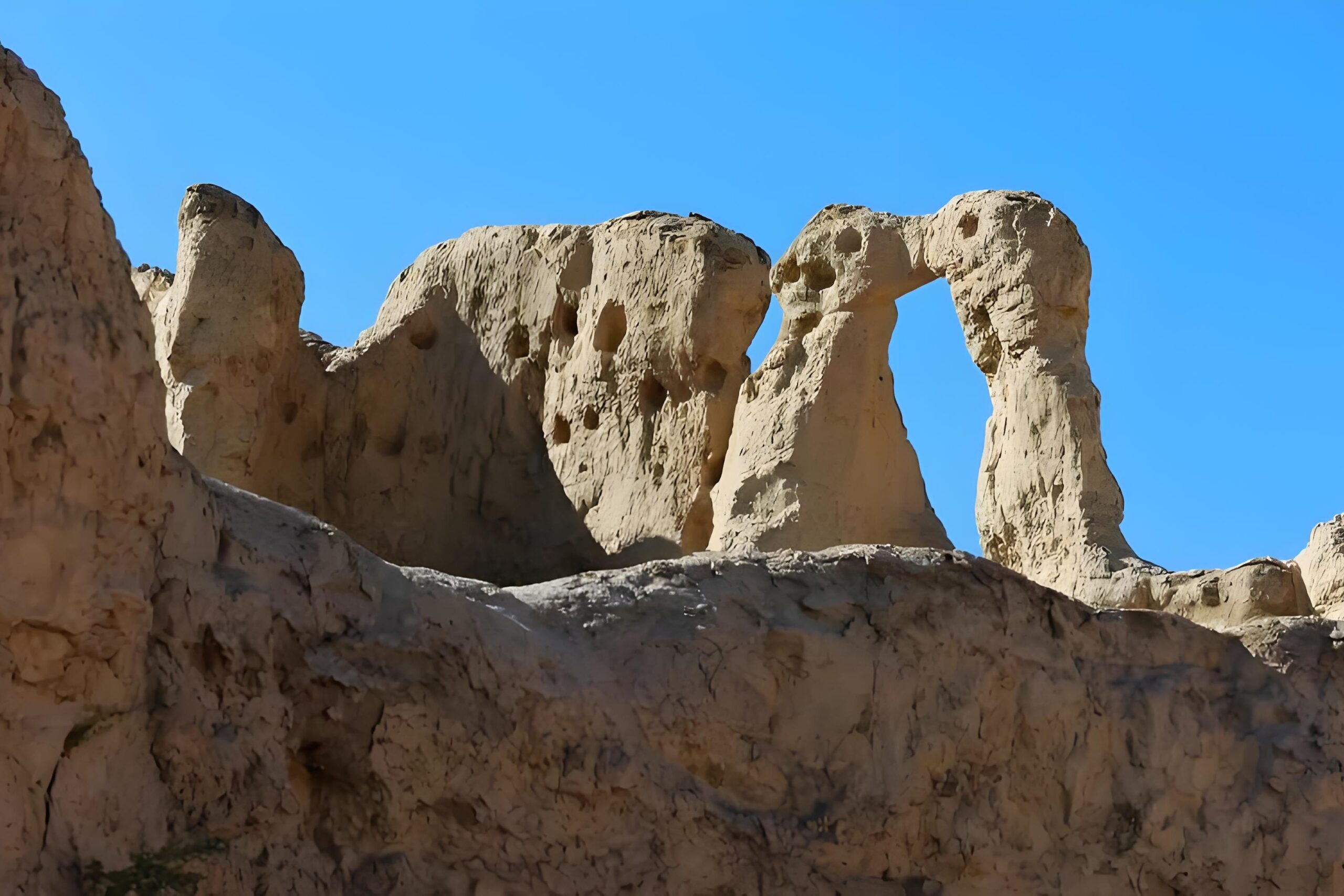
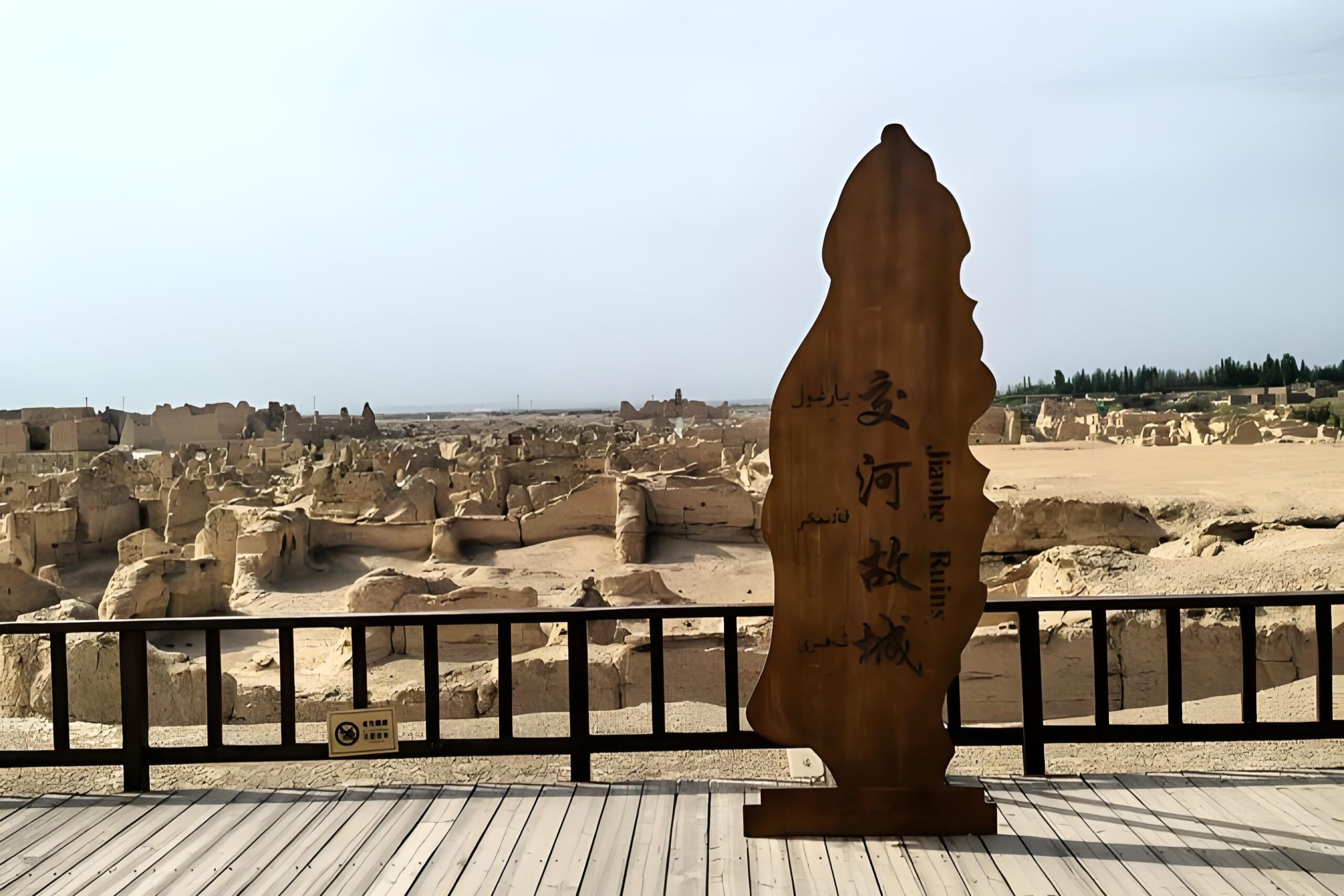
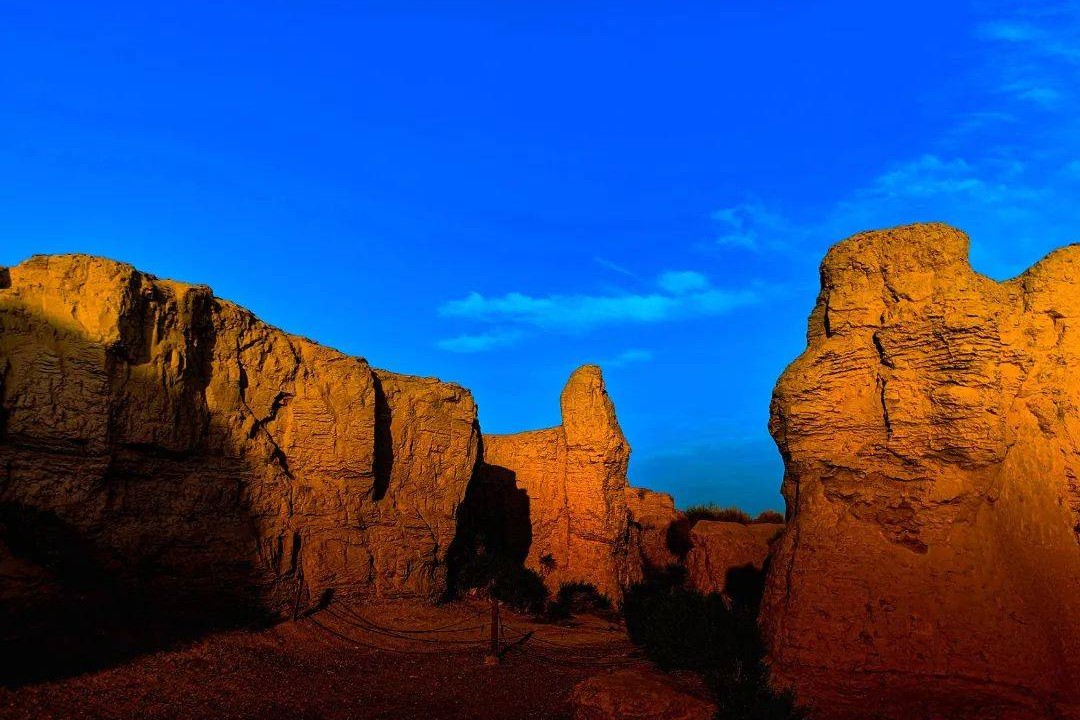
Once a thriving trading hub, the Jiaohe Ancient City stands atop a plateau between two rivers, its earthen structures preserved for over 2,000 years in the dry desert climate.
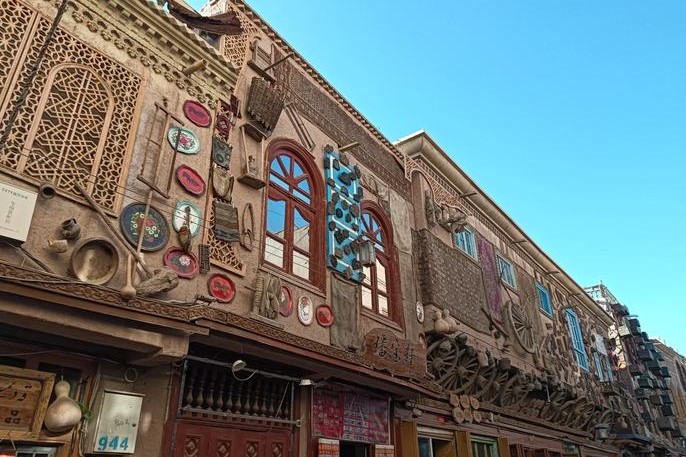
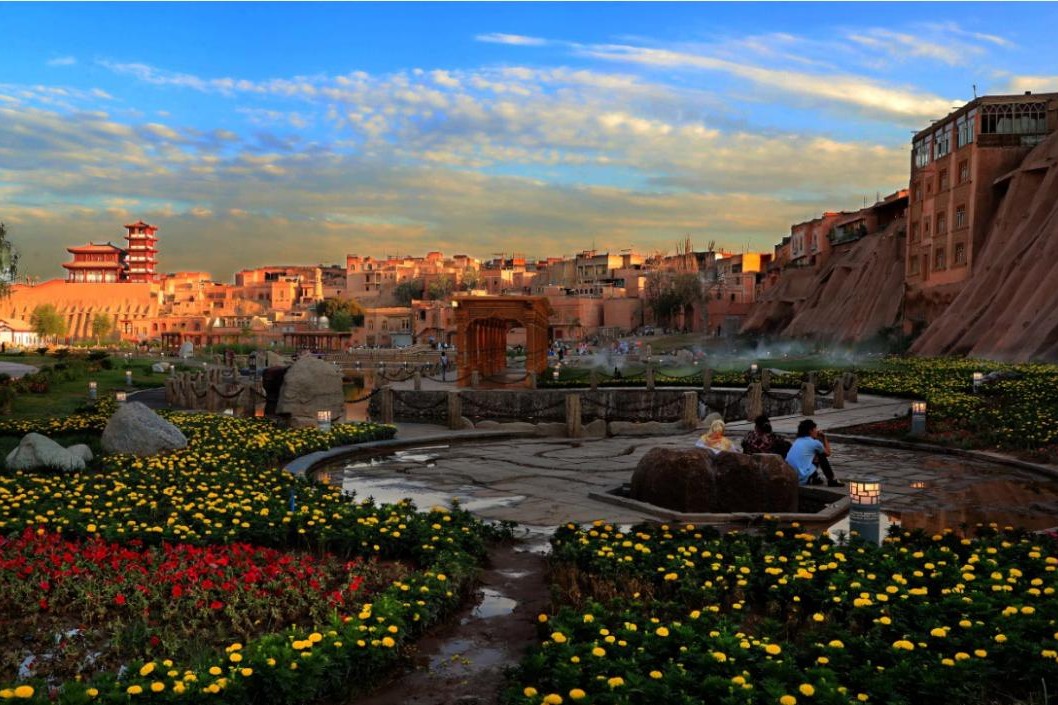
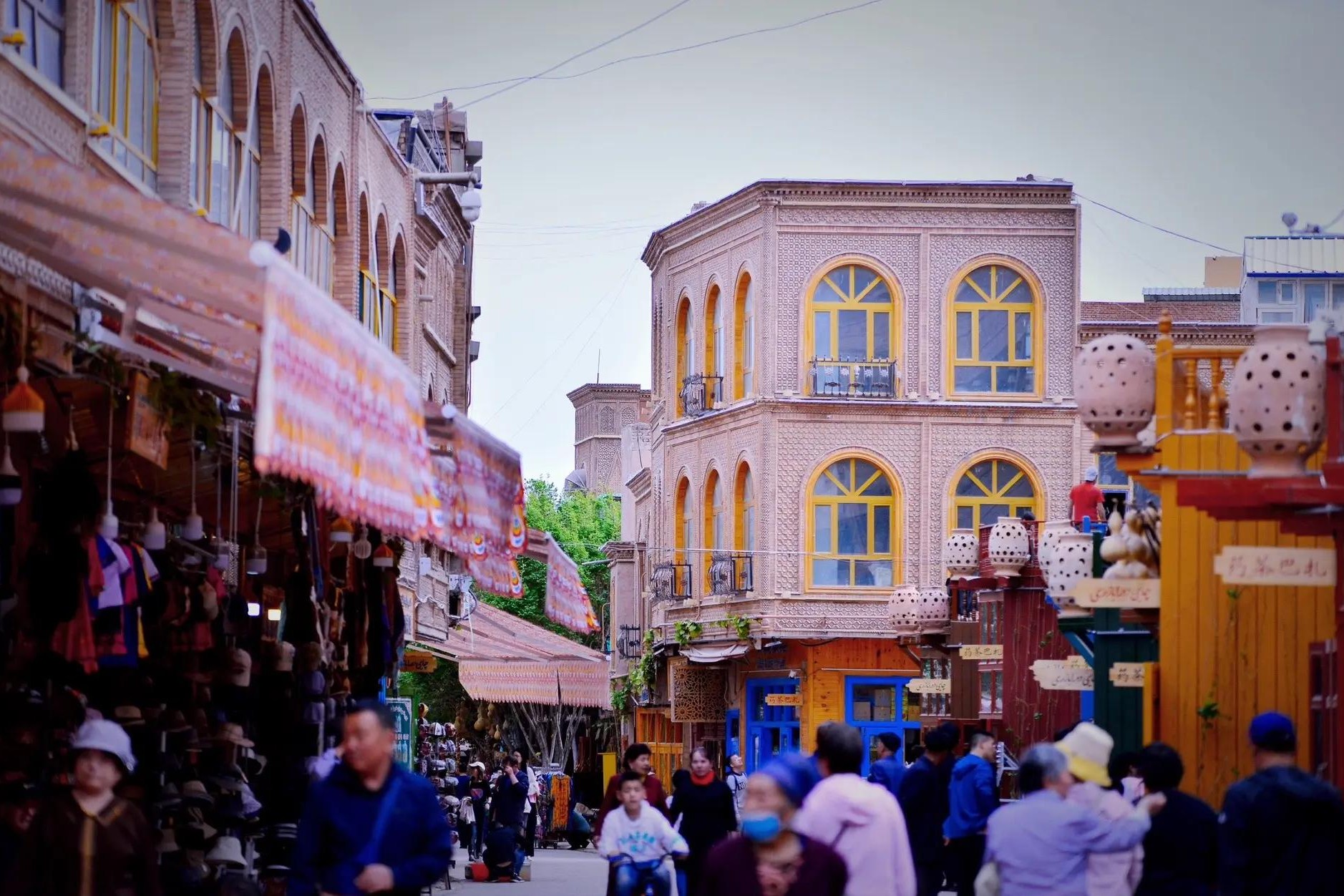
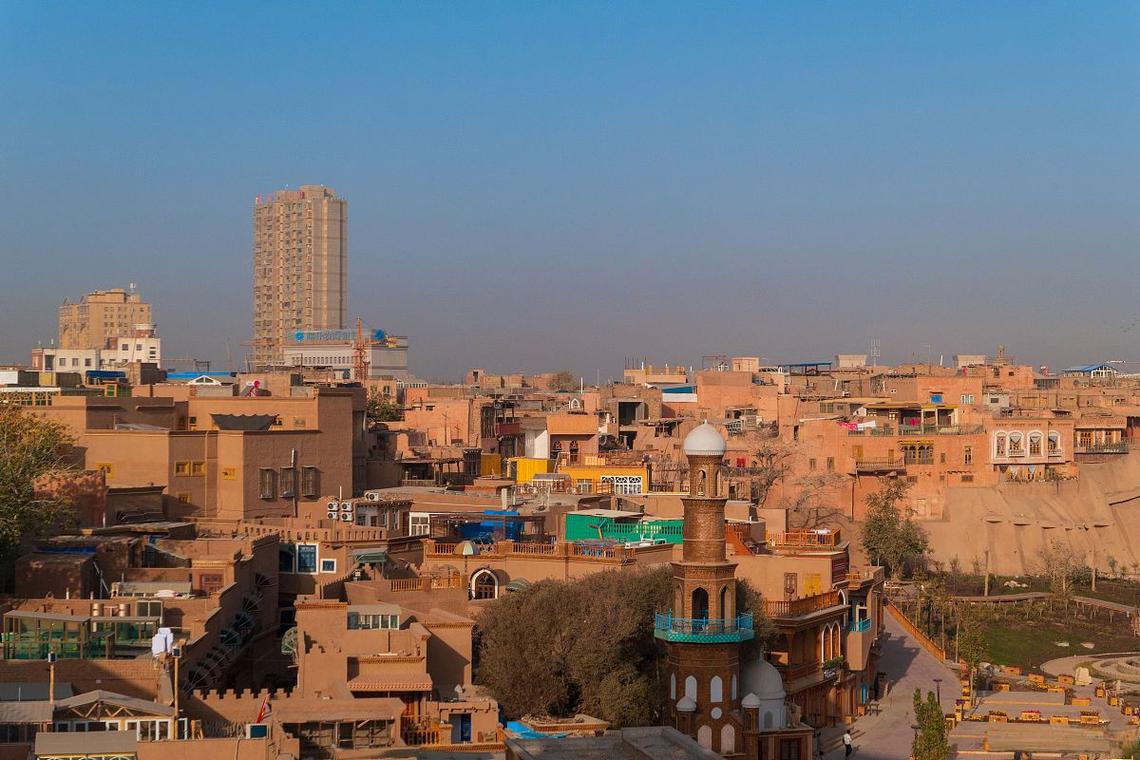
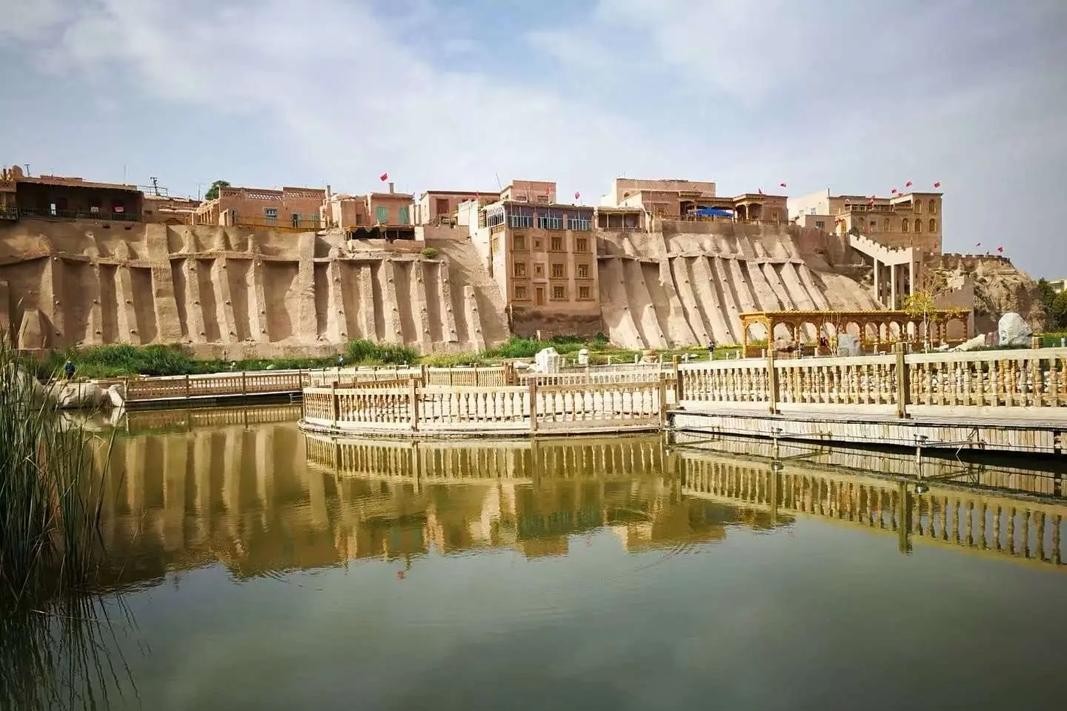
With winding alleys, mud-brick houses, and bustling bazaars, Kashgar’s Old Town reflects centuries of Uyghur culture and remains one of the Silk Road’s most atmospheric stops.
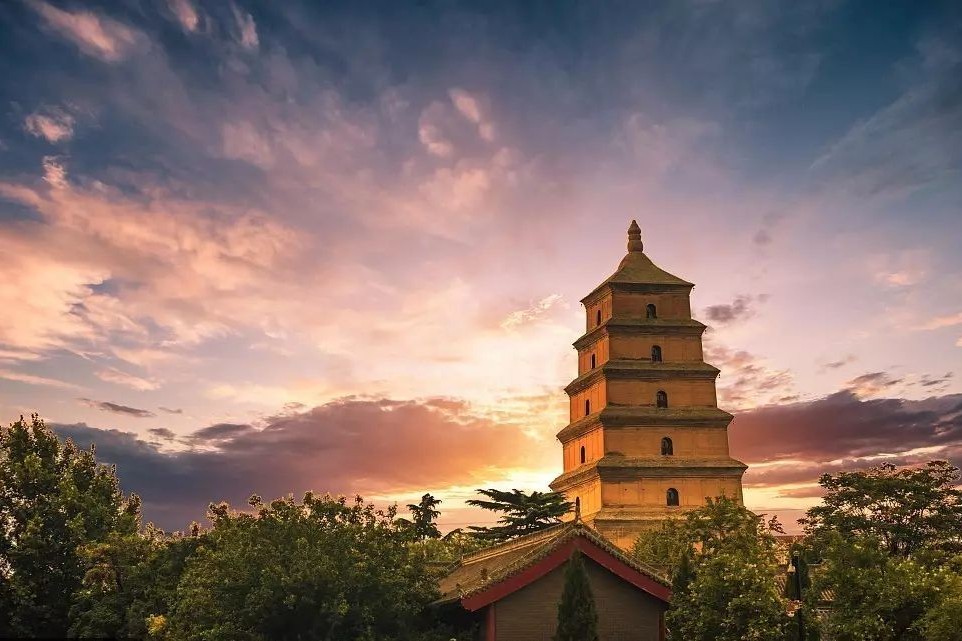
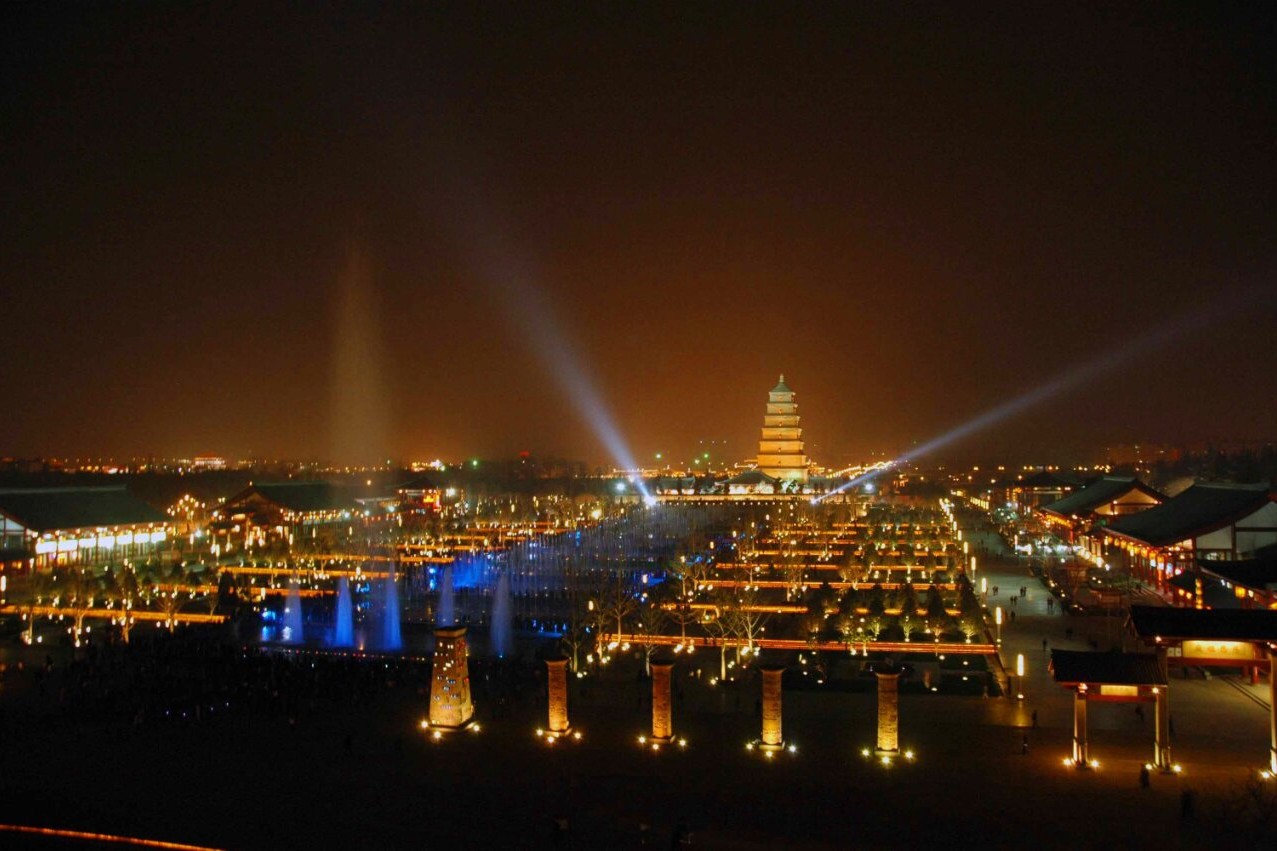
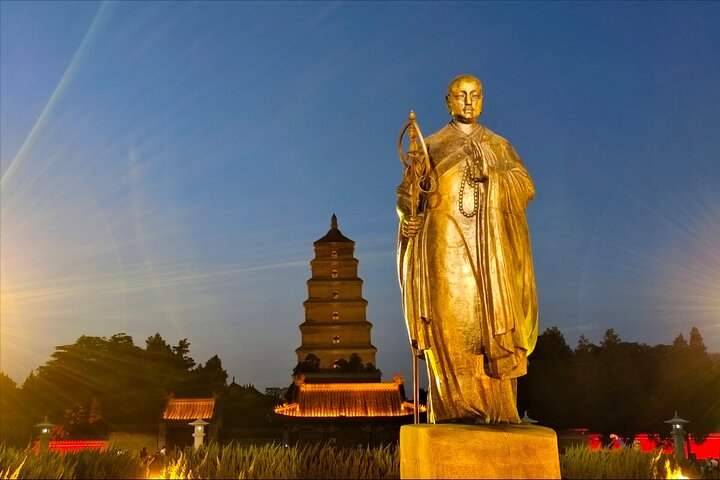
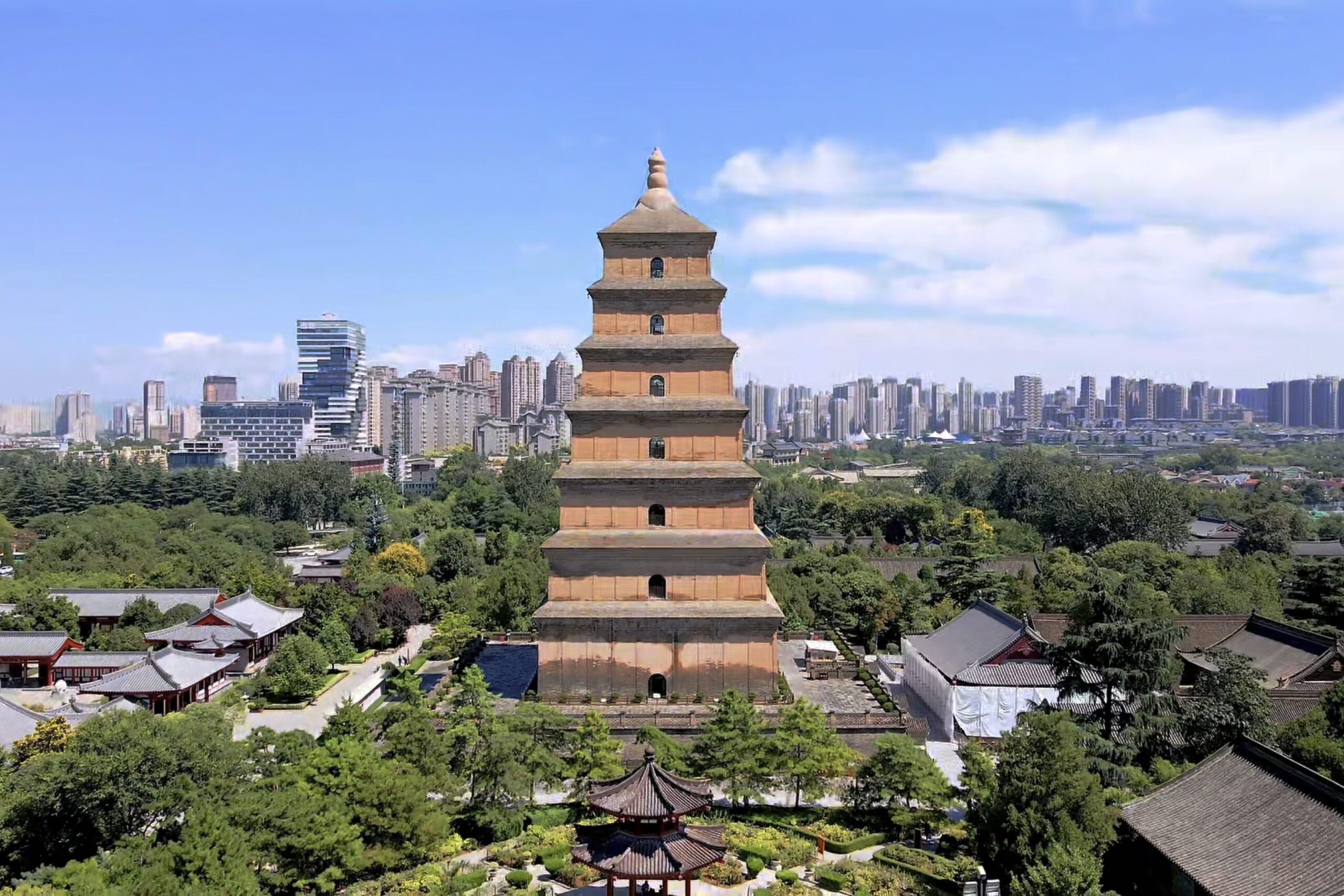
Built in the Tang Dynasty, this iconic pagoda once stored Buddhist scriptures brought from India by the monk Xuanzang, symbolizing Xi’an’s role as the starting point of the Silk Road.
Xi’an → Zhangye → Dunhuang
Urumqi → Turpan → Kashgar → Tashkurgan
Chengdu → Yunnan → Myanmar