Discover the Essence of Chinese Tea Culture

From Ancient Traditions to Modern Ceremonies – Experience the Spirit of Tea in China

What Is Chinese Tea Culture?

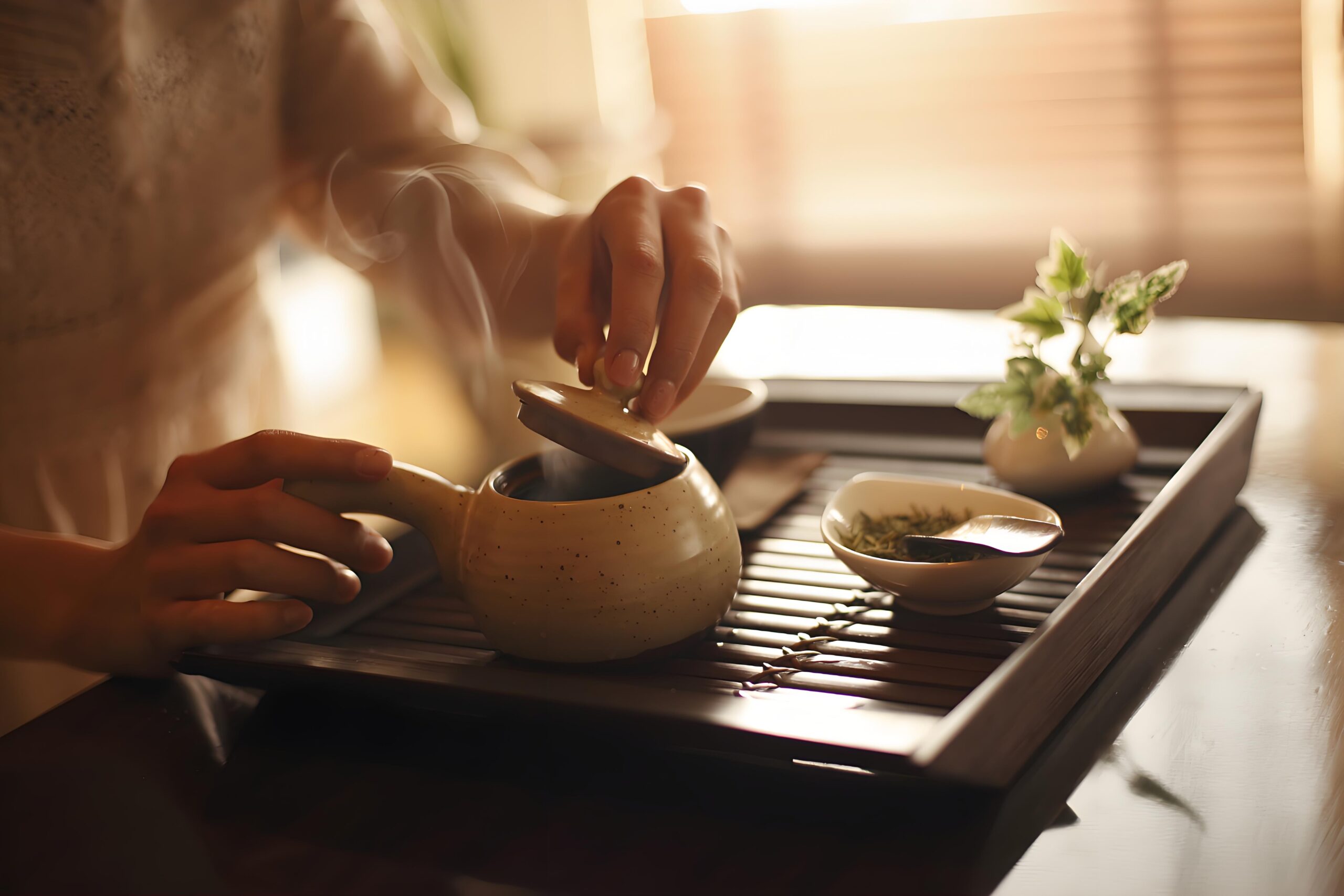
Traditional Chinese tea ceremony is a graceful and meditative ritual that reflects harmony, respect, and balance. It’s not just about drinking tea, but about appreciating the art of preparation, the beauty of the moment, and the connection between people.

Famous Types of Chinese Tea

green tea

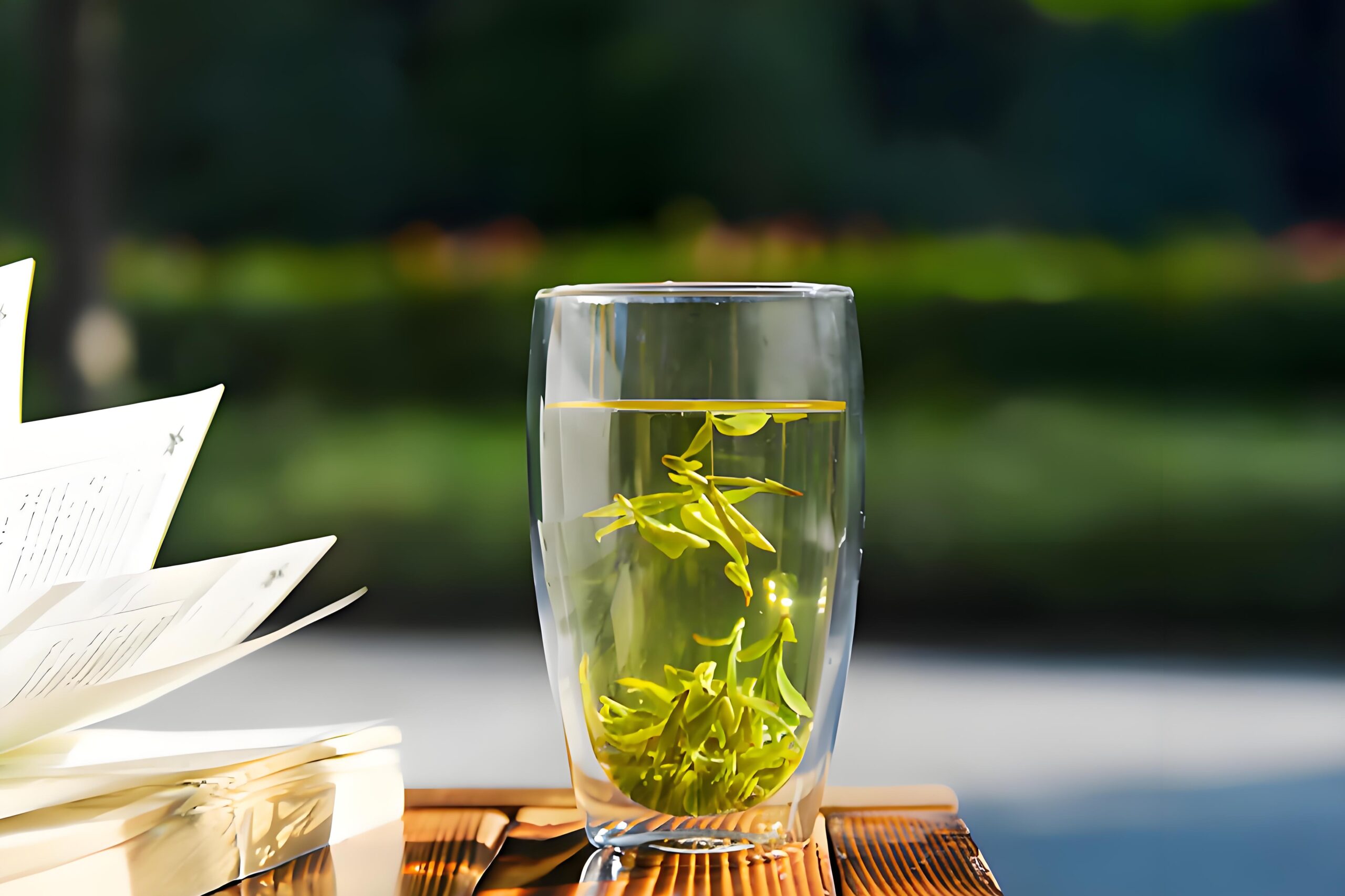
Green Tea

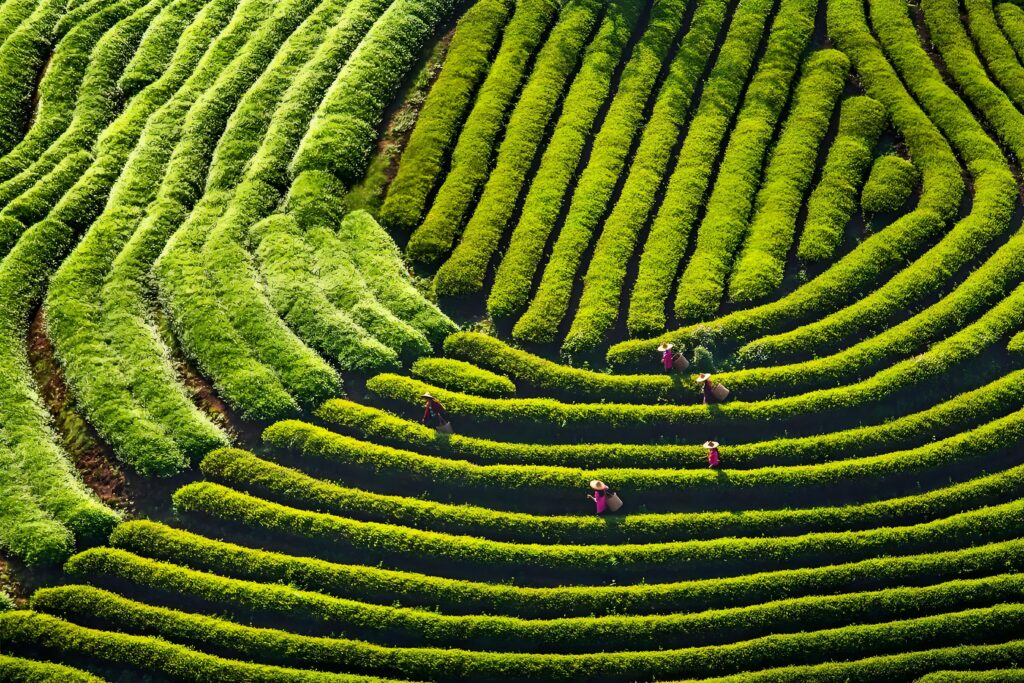
Fresh and light in taste, green tea is unfermented and rich in antioxidants. It's the most popular tea type in China.
Black Tea

Fully fermented, black tea has a bold, malty flavor and a reddish-brown brew. Often enjoyed plain or with milk.
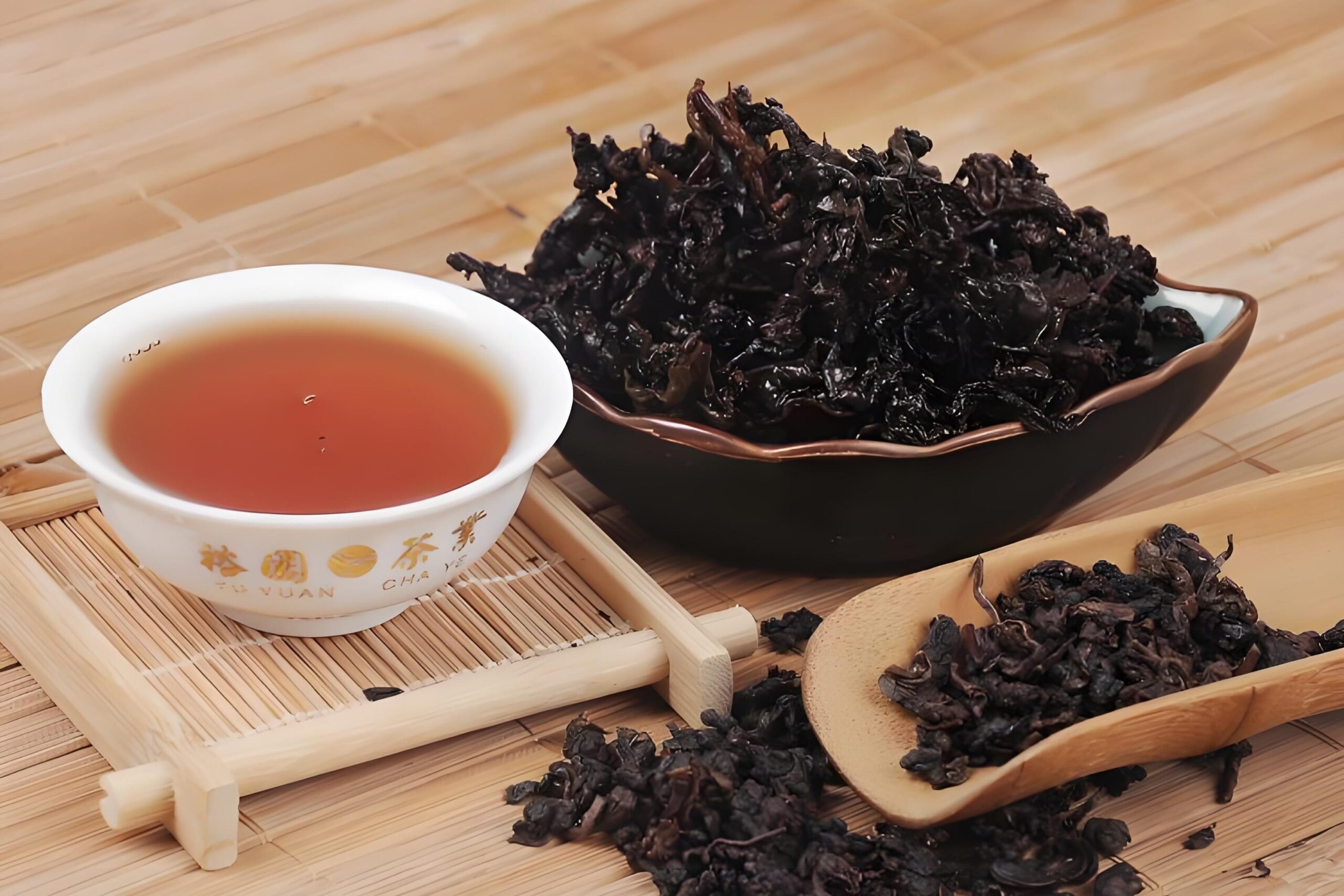
Oolong Tea

Partially fermented, oolong tea balances the freshness of green tea with the depth of black tea. Known for its floral and roasted notes.
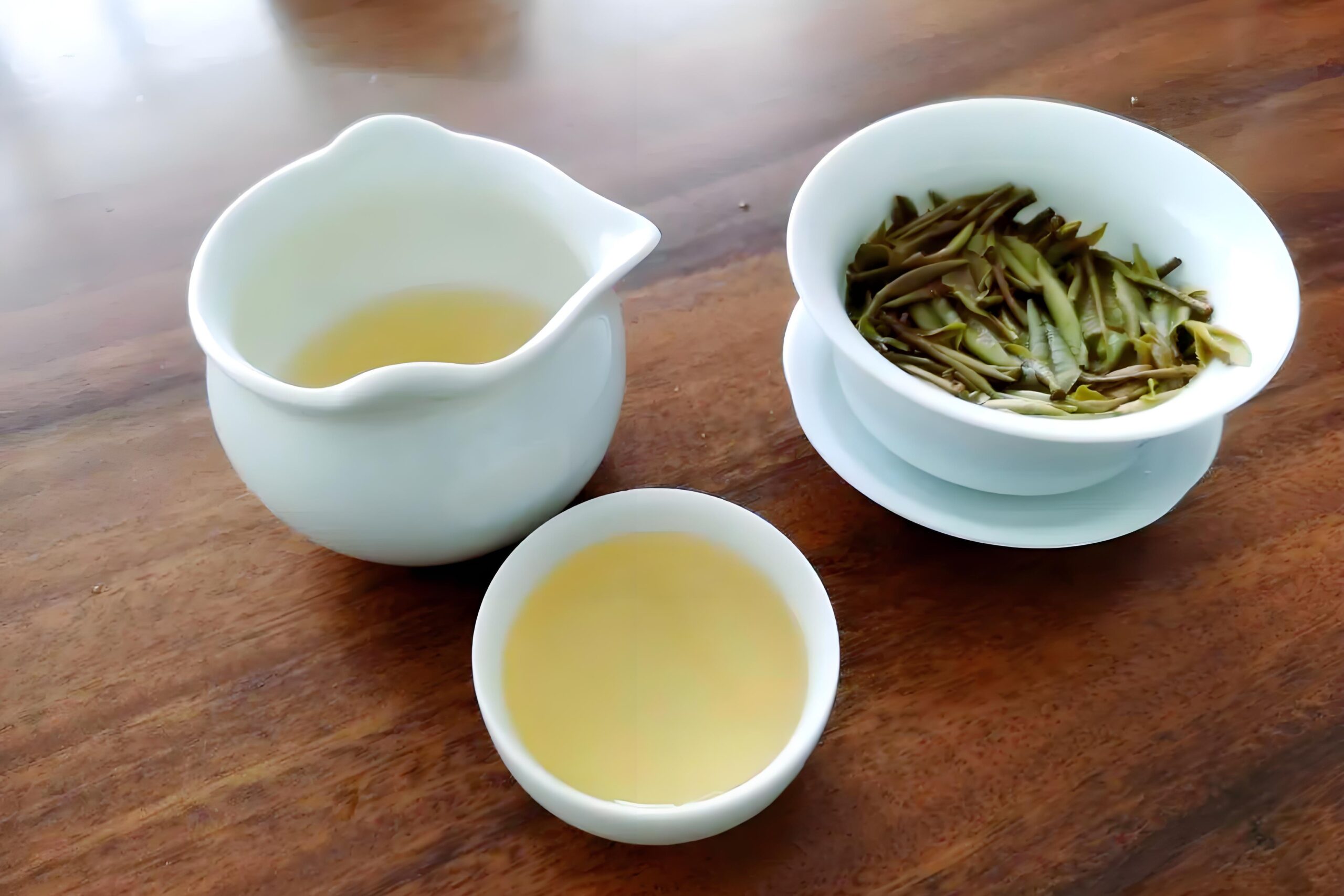
White Tea

Minimally processed, white tea has a delicate taste and subtle sweetness. It’s prized for its purity and gentle flavor.
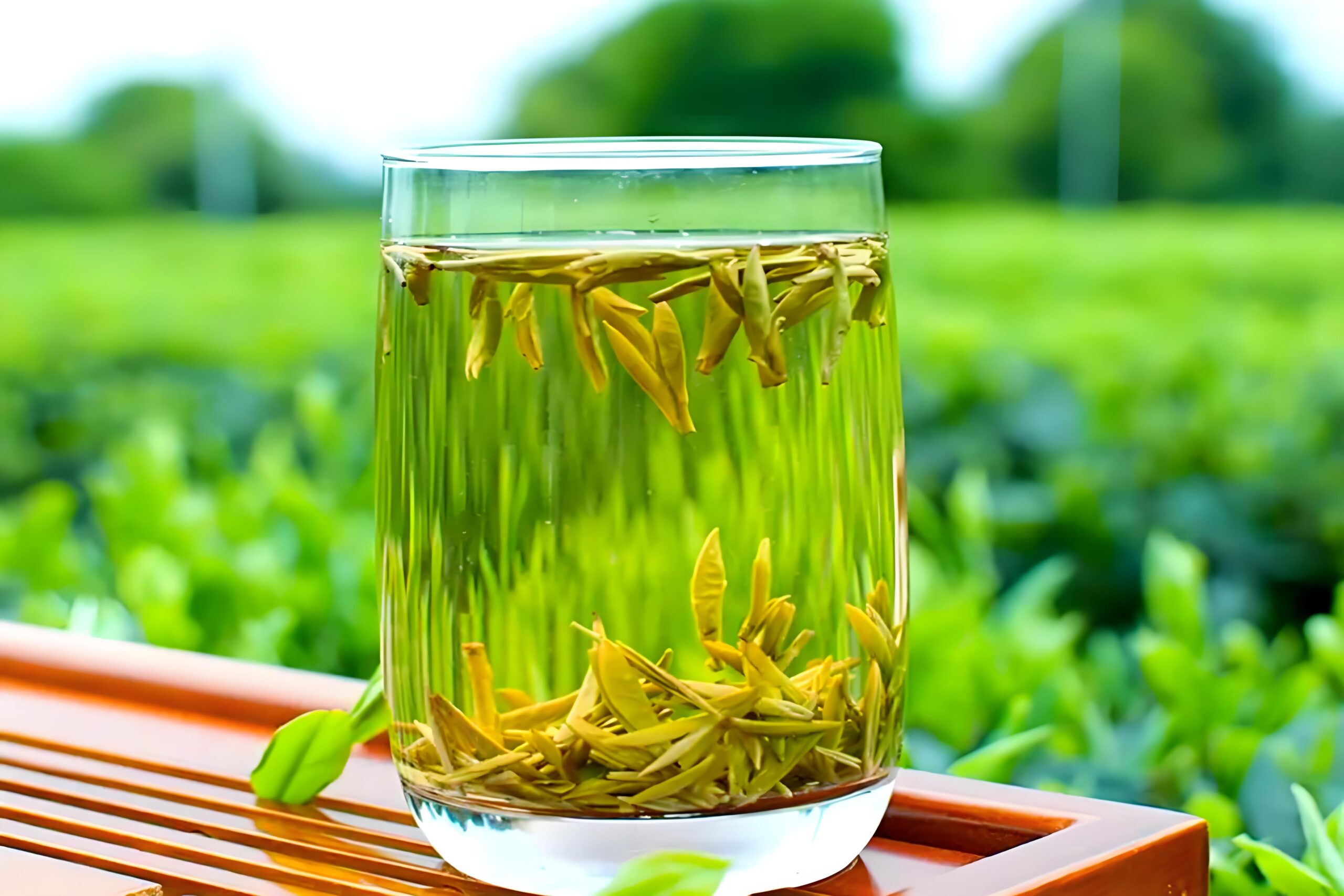
Yellow Tea

Rare and lightly fermented, yellow tea has a smooth, mellow taste with a hint of sweetness. Traditionally enjoyed by emperors.
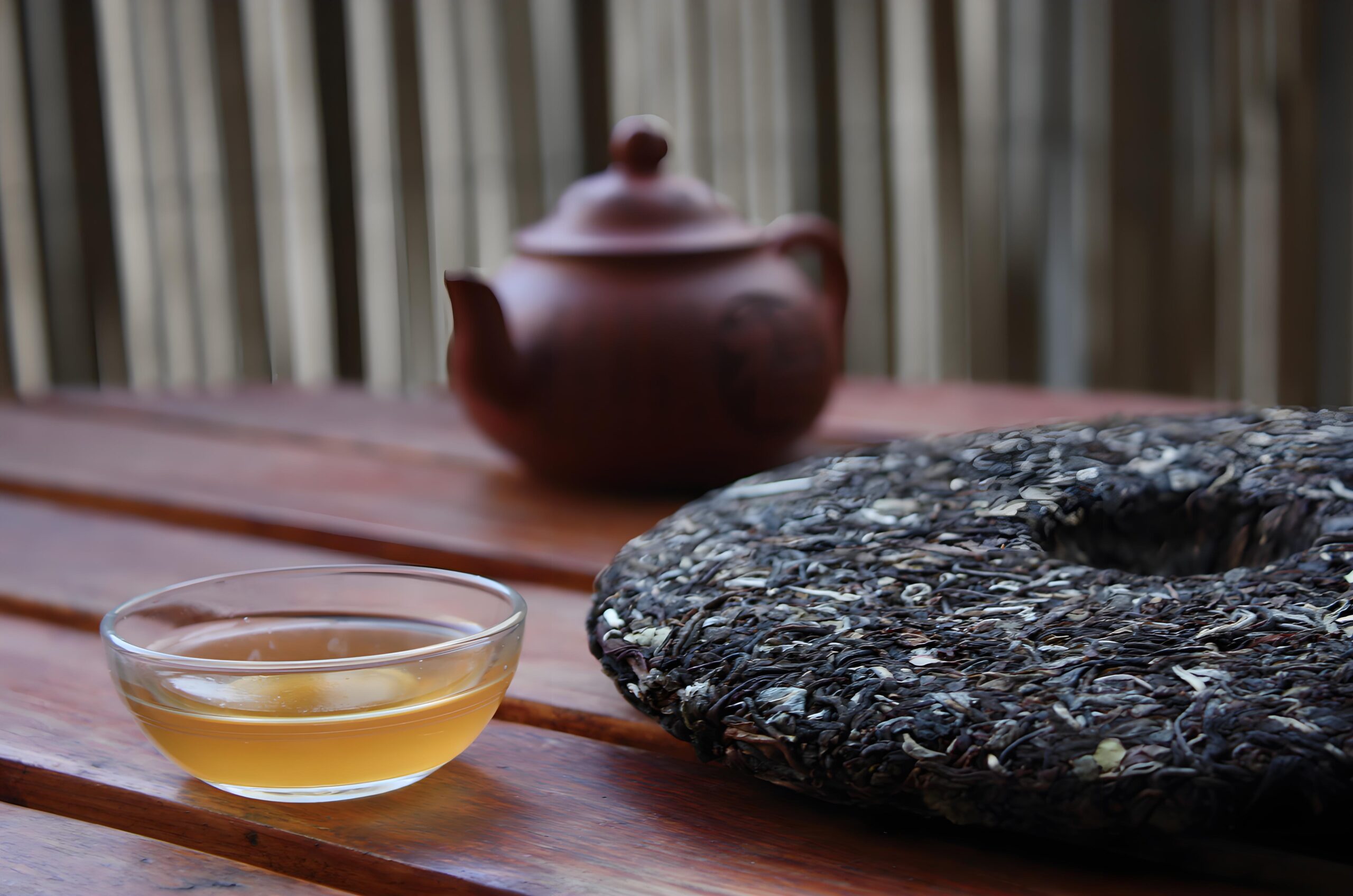
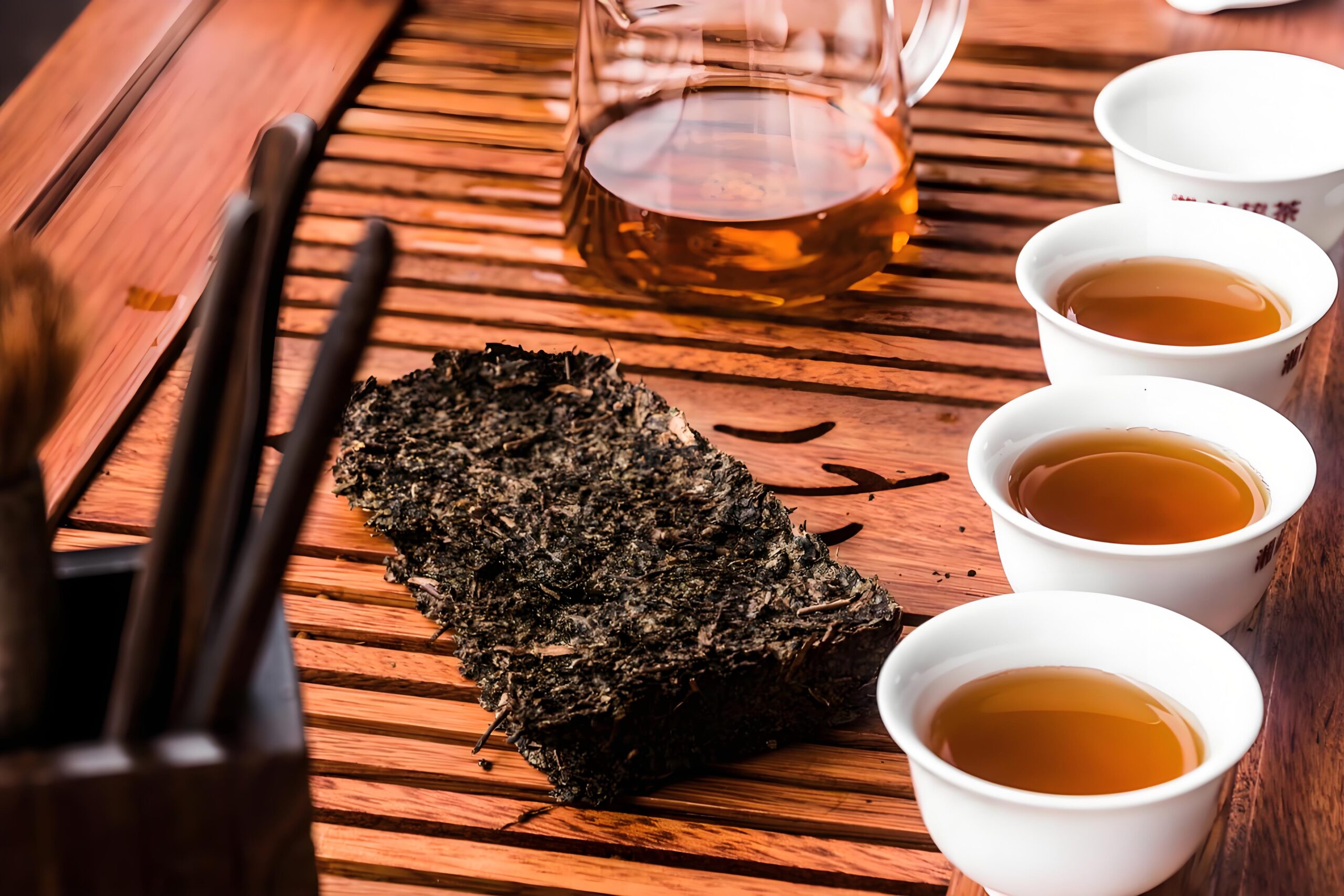
Pu'er Tea

Aged and fermented, Pu’er tea is earthy and rich. Often pressed into cakes, it improves with time like fine wine.
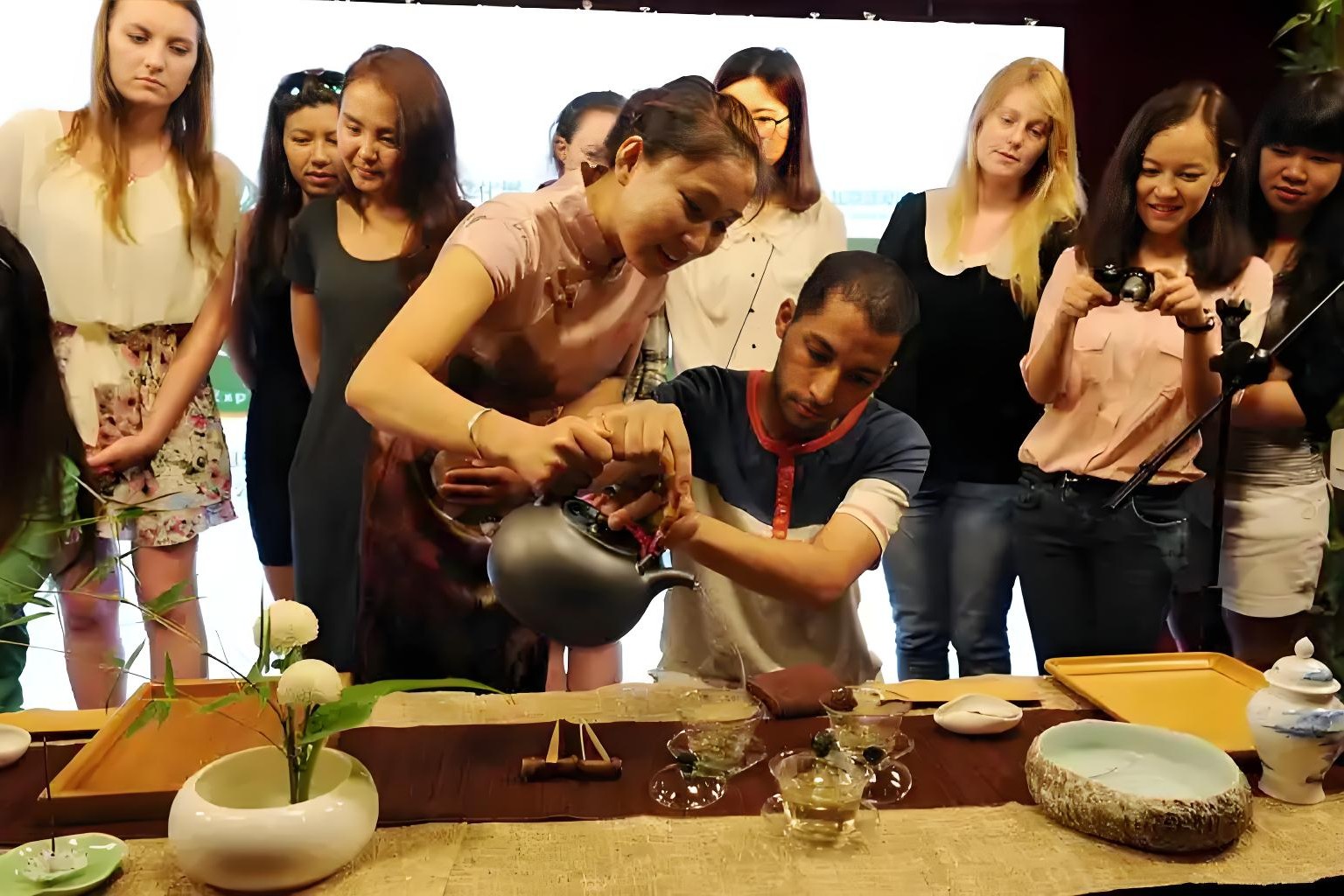
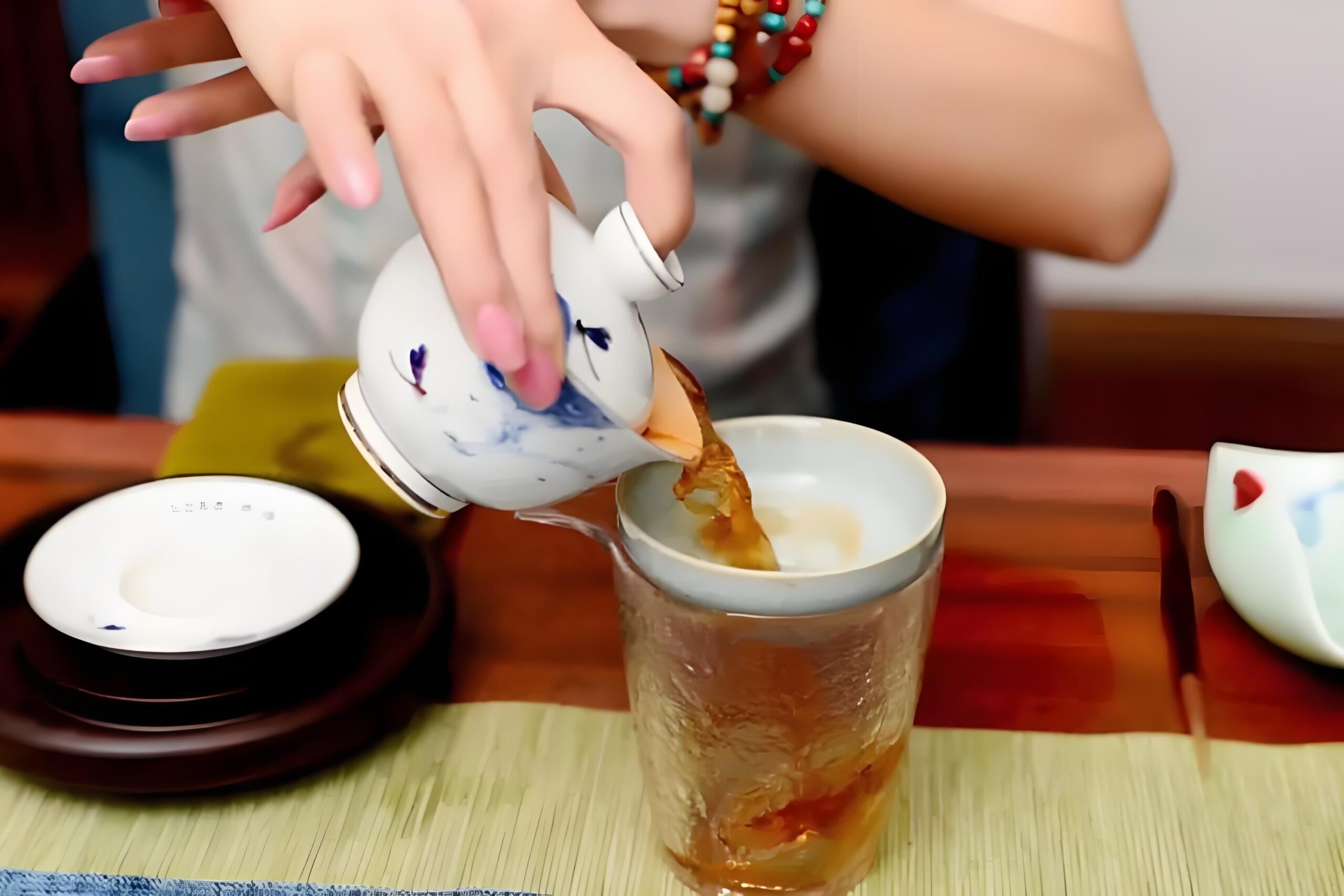
Traditional Tea Ceremonies

Chinese Kung Fu has left a powerful mark not only in history, but also in global pop culture. From ancient heroes to modern movie stars, Kung Fu legends have captured the world’s imagination and shaped how martial arts are perceived worldwide.

Where to Experience Tea Culture in China

Hangzhou, Zhejiang

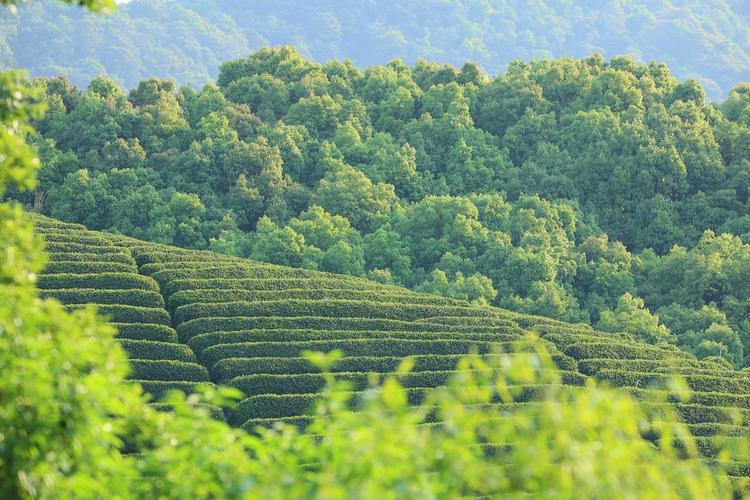
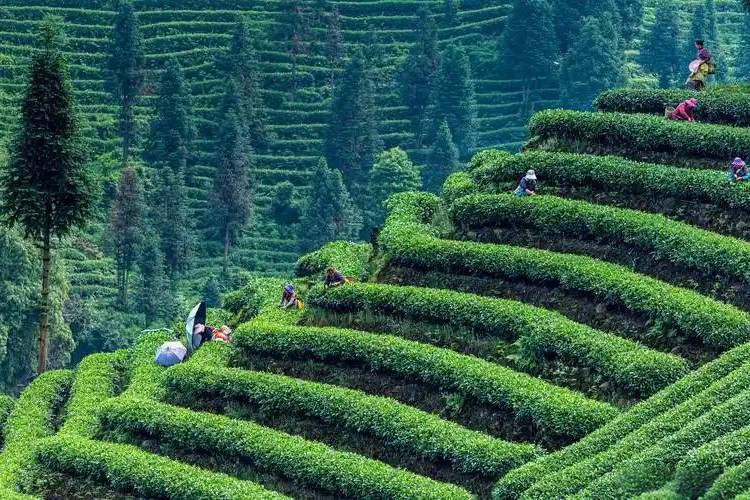
Home of Dragon Well (Longjing) tea, Hangzhou offers lush tea plantations, traditional tea houses by West Lake, and immersive village experiences in Meijiawu.

Xishuangbanna, Yunnan

Explore ancient Pu’er tea forests, ethnic tea ceremonies by the Dai people, and visit century-old tea trees in this tropical tea paradise.

Fujian (Wuyishan & Anxi)

Birthplace of Oolong teas like Tieguanyin and Da Hong Pao. Visit cliff-side tea farms, traditional roasting workshops, and Gongfu tea performances.

Chengdu, Sichuan

Relax in traditional teahouses while enjoying Sichuan opera and finger-snapping tea service. A perfect blend of leisure and tea culture.

Jingdezhen, Jiangxi

Famous for porcelain as well as tea culture — visit ceramic tea ware studios and experience tea in handcrafted cups.

Taipei, Taiwan

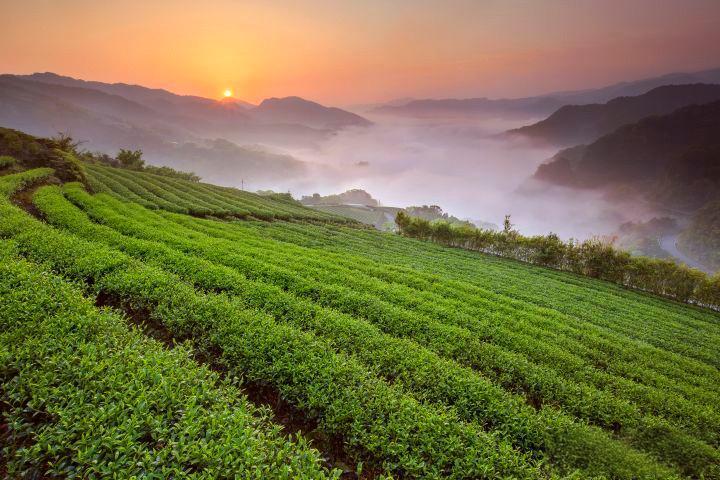
Known for high-mountain Oolong teas, Taipei is filled with stylish tea salons, traditional markets, and scenic tea-growing hills like Maokong.

Tips for Tourists

Start with Light Teas

If you’re new to Chinese tea, try green or white teas first. They are light in flavor and easy to enjoy, even without milk or sugar.

Visit a Local Teahouse

Teahouses are great places to experience tea the way locals do. Look for traditional ones in Chengdu, Hangzhou, or Xi’an for an authentic vibe.

Know the Etiquette

Tap your fingers on the table to say “thank you” when someone pours you tea. Always receive tea with both hands—it shows respect.

Don't Rush the Experience

A tea ceremony is about slowing down. Observe how the tea is prepared and take time to enjoy each sip—it’s part of the culture.

Tea Makes a Great Souvenir

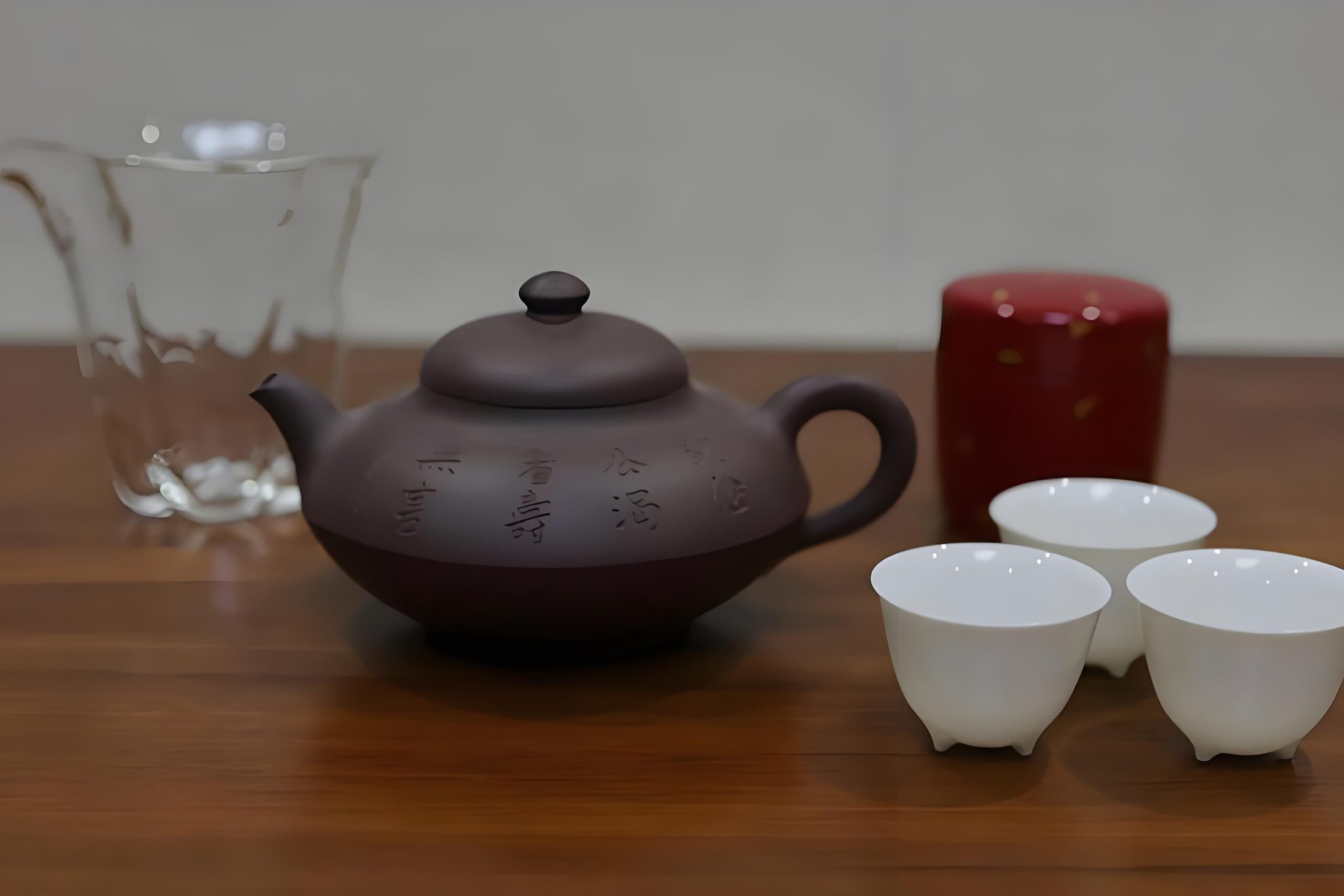
Chinese tea is lightweight, affordable, and meaningful. Buy from trusted shops, and consider grabbing some teaware like a gaiwan or Yixing teapot.

open-book

Learn a Few Words

Knowing terms like “gōngfū chá” (功夫茶) or “lóngjǐng” (龙井) helps you connect with locals and choose your tea more confidently.