The Art of Chinese Tea
For thousands of years, tea has been more than just a drink in China—it’s a way of life. From serene tea ceremonies in mountain villages to bustling tea houses in modern cities, Chinese tea culture offers a unique window into the nation’s soul. If you’re planning a trip to China or simply curious about its heritage, exploring the world of Chinese tea is a must.
🌱 A Brief History of Chinese Tea
China is the birthplace of tea. Legend has it that Emperor Shen Nong accidentally discovered tea around 2737 BCE when leaves from a wild tea tree drifted into his boiling water. Since then, tea has evolved into an integral part of Chinese daily life, influencing philosophy, medicine, and art.
🍵 Popular Types of Chinese Tea
Each region in China is known for producing distinct types of tea, shaped by its local climate and traditions. Here are some of the most famous:
-
Longjing (Dragon Well) – A prized green tea from Hangzhou, known for its delicate aroma and sweet, nutty flavor.
-
Pu’er – A fermented tea from Yunnan, often aged for decades. Its earthy flavor deepens over time.
-
Tieguanyin (Iron Goddess) – A semi-oxidized oolong tea from Fujian, with floral fragrance and smooth taste.
-
Jasmine Tea – A scented green tea infused with jasmine blossoms, commonly served in restaurants across China.
🧘 Tea as a Cultural Experience
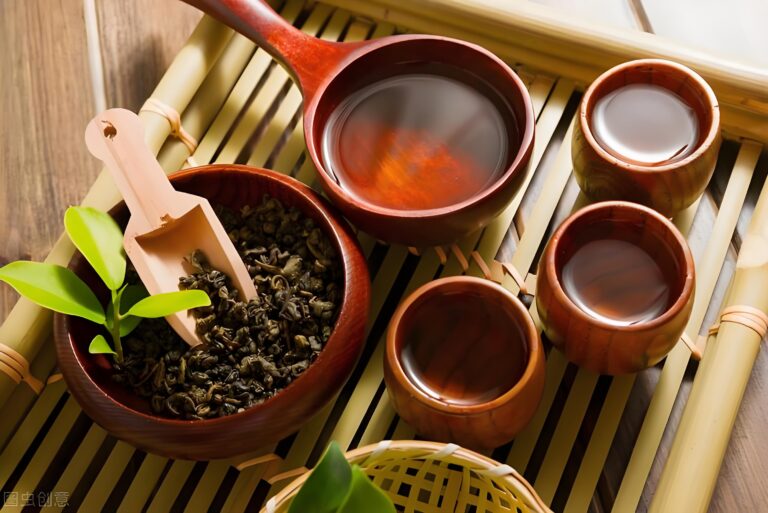
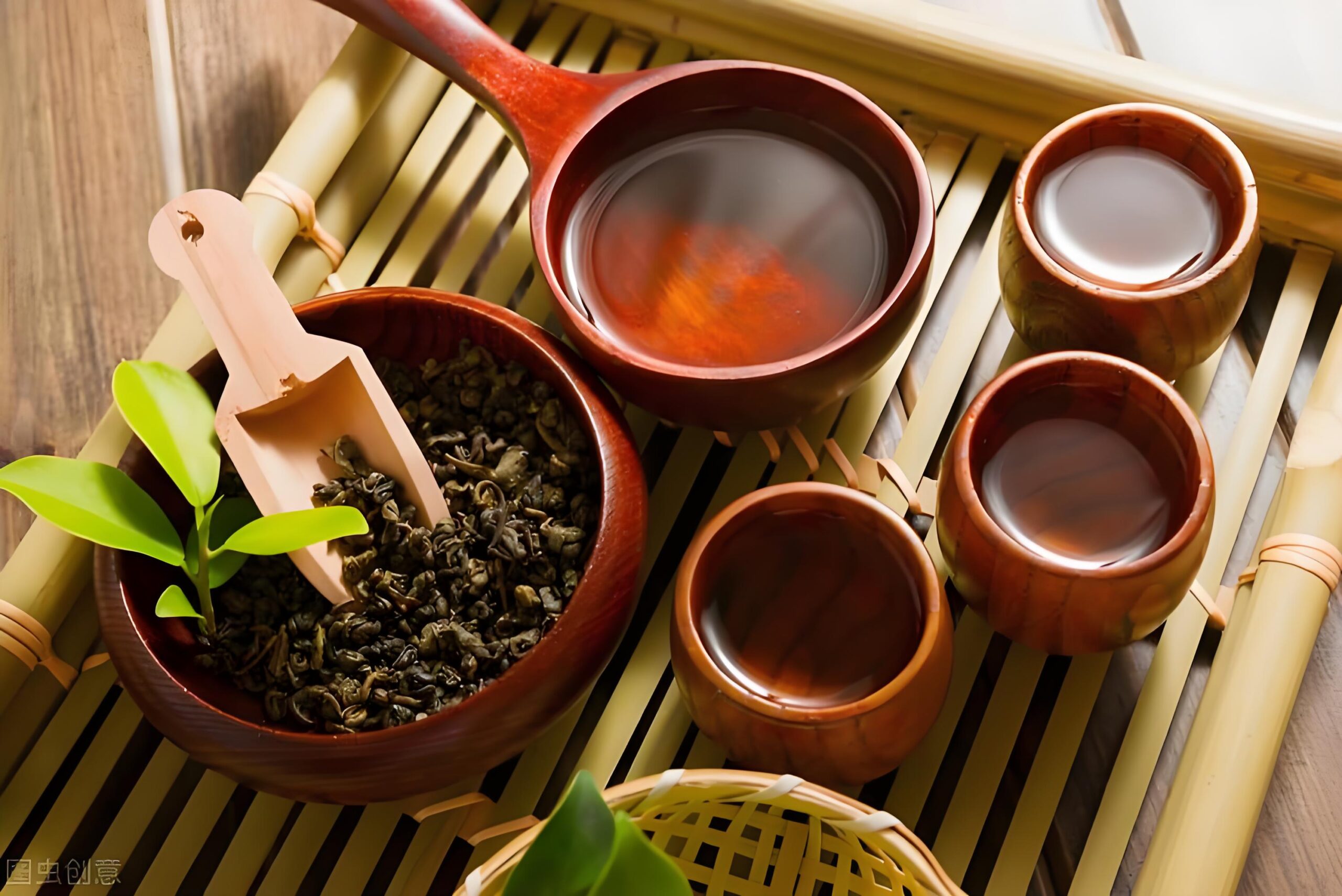
In China, tea drinking is not rushed—it’s a ritual. Traditional gongfu tea ceremonies emphasize patience, mindfulness, and aesthetic appreciation. Everything matters: the quality of the leaves, the temperature of the water, the shape of the teapot, and even the mood of the room.
When traveling in places like Chengdu, Hangzhou, or Xishuangbanna, don’t miss the chance to experience a tea ceremony led by a local tea master.
🧳 Where to Experience Chinese Tea Culture
Here are some top destinations to immerse yourself in tea traditions:
-
Hangzhou – Visit the Longjing tea plantations and learn how the tea is picked and roasted.
-
Yunnan – Explore Pu’er’s ancient tea forests and taste teas aged for decades.
-
Chengdu – Relax in one of the city’s many historic tea houses, often accompanied by Sichuan opera performances.
💡 Travel Tips
-
Many tea shops offer free tastings and will demonstrate proper brewing techniques.
-
Ask if the shop has local or organic teas—these often provide richer flavor and higher quality.
-
Bring home vacuum-packed loose leaf teas as meaningful souvenirs.
✨ Final Thoughts
Whether you’re a tea enthusiast or a curious traveler, discovering Chinese tea is a rewarding journey through history, flavor, and culture. It’s not just what’s in the cup—it’s what the experience teaches you about patience, harmony, and the beauty of simple things.