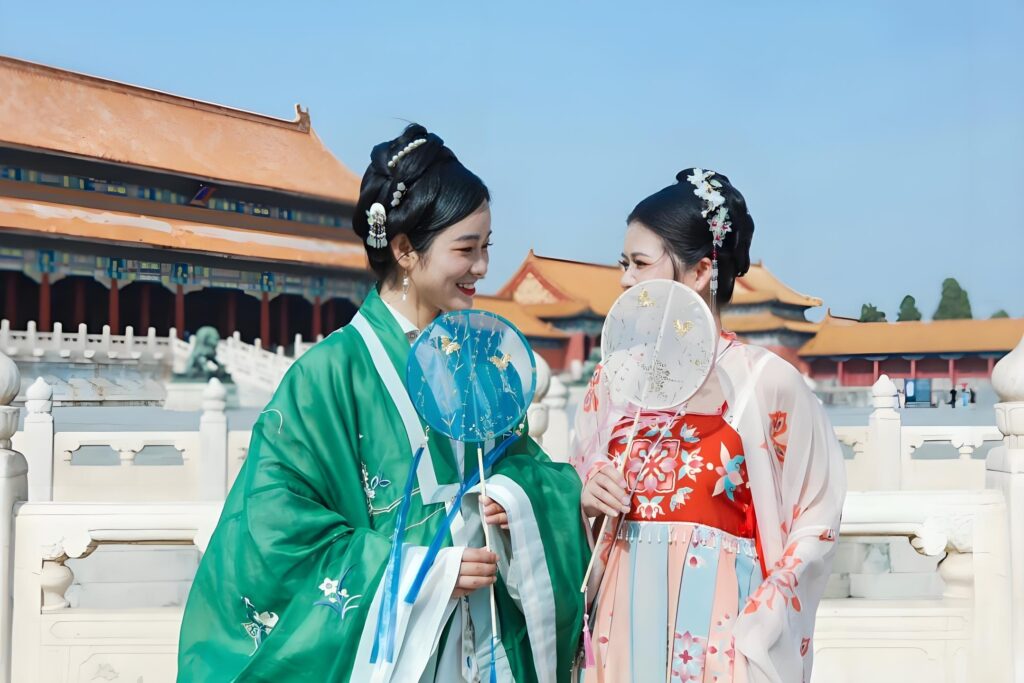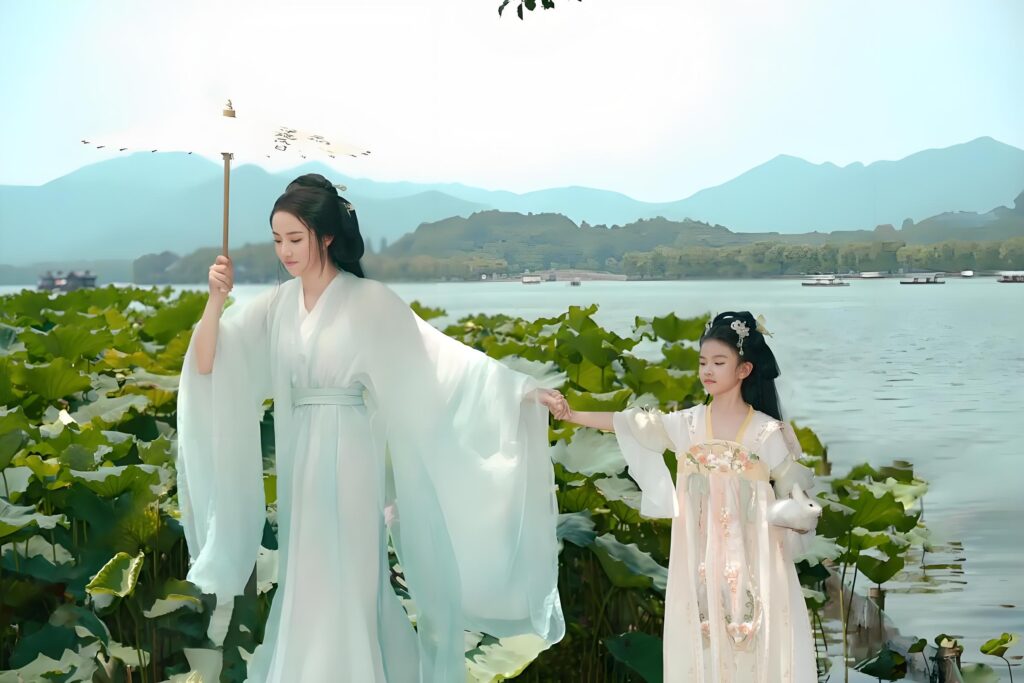
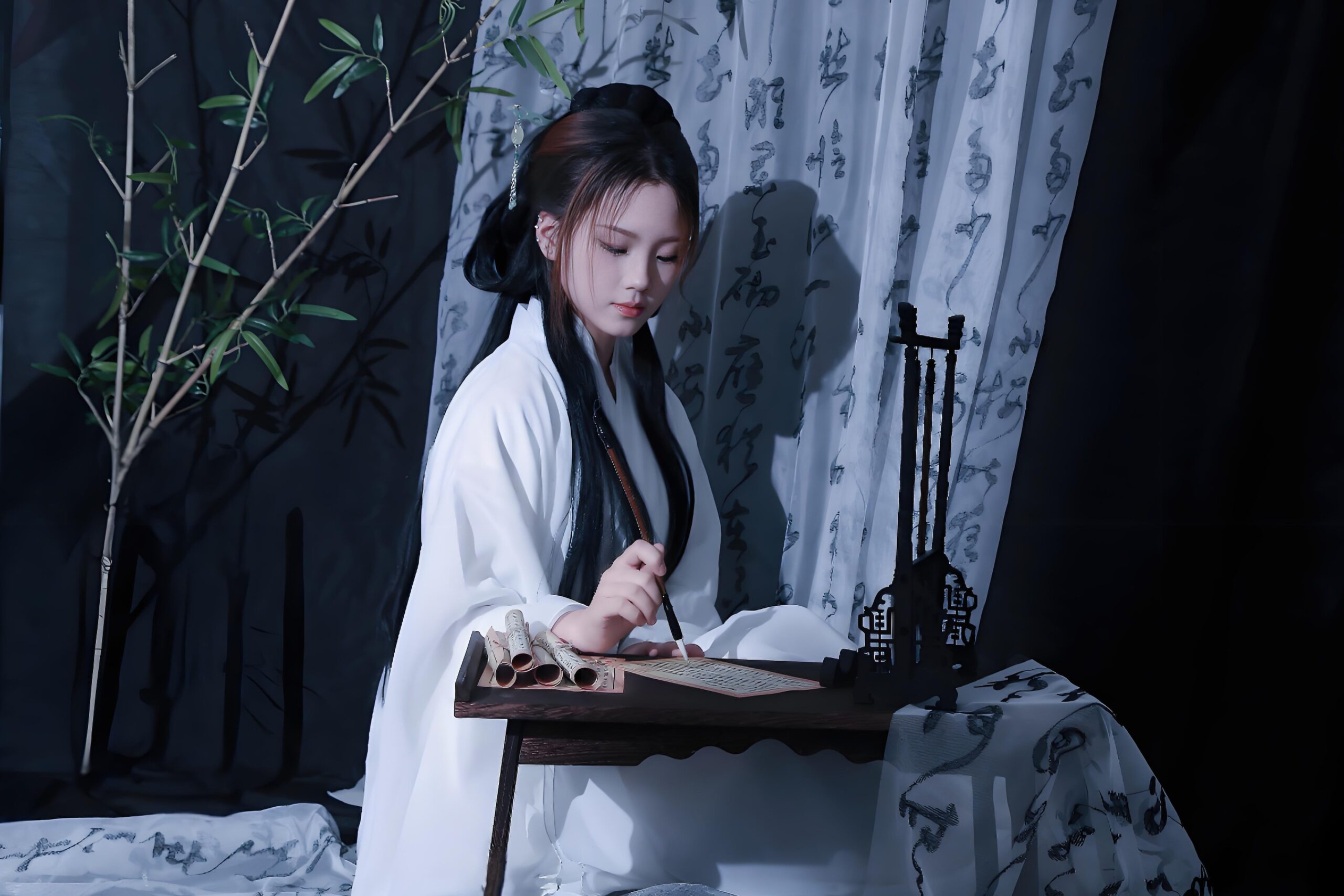
Hanfu
Flowing robes from Han dynasty heritage
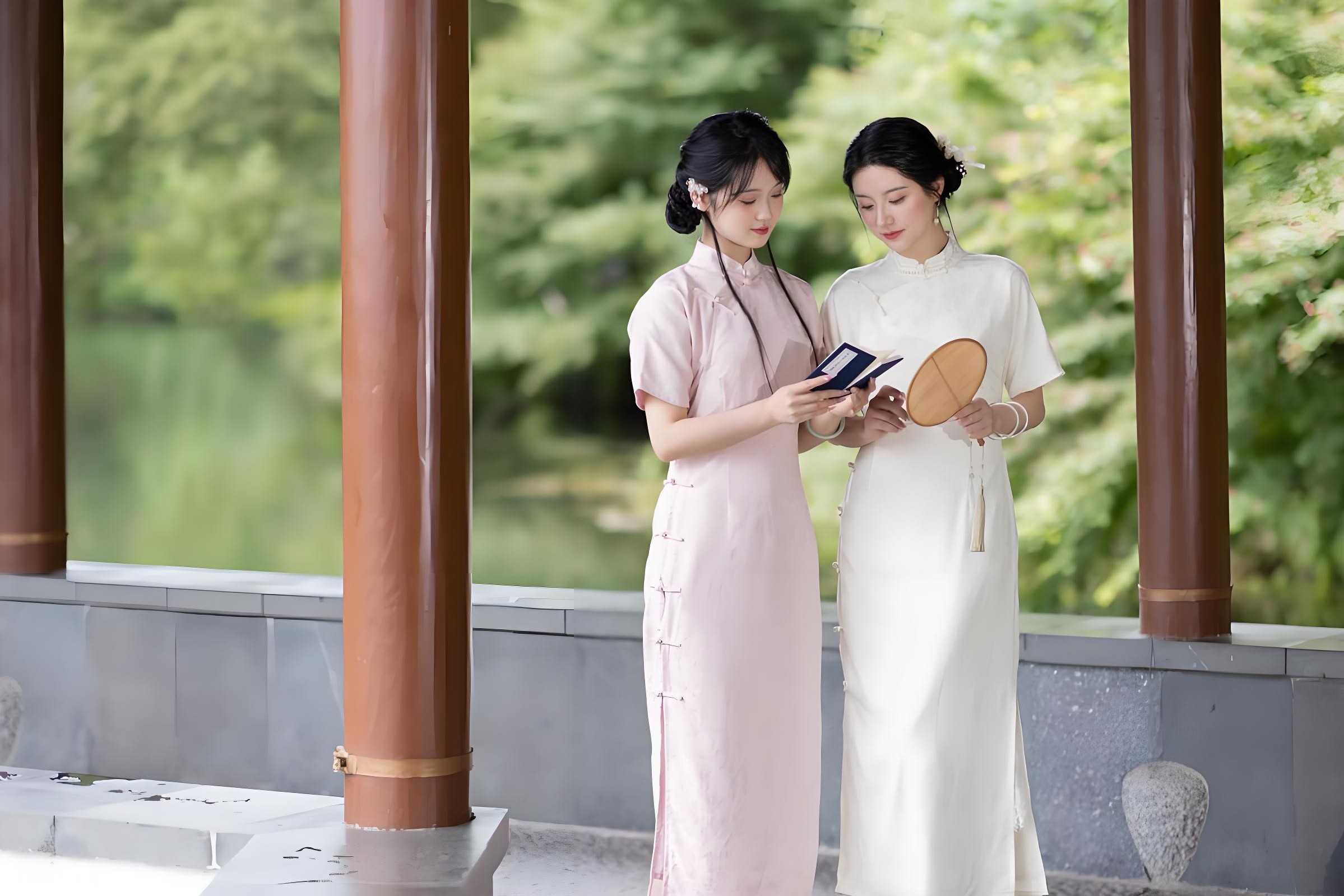
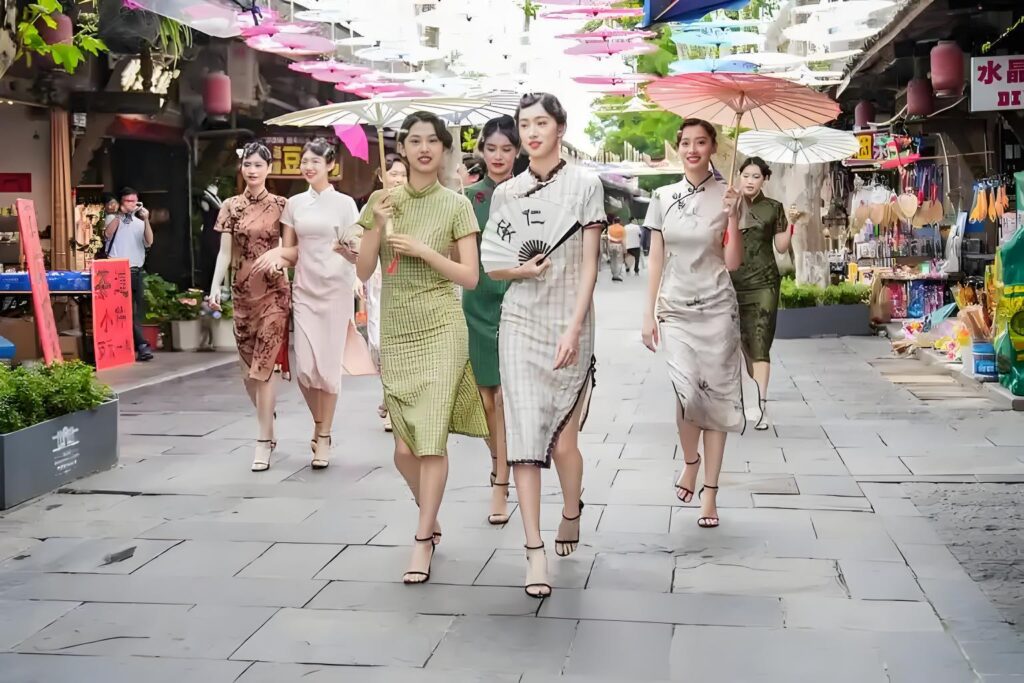
Qipao
Grace and elegance from 20th century Shanghai
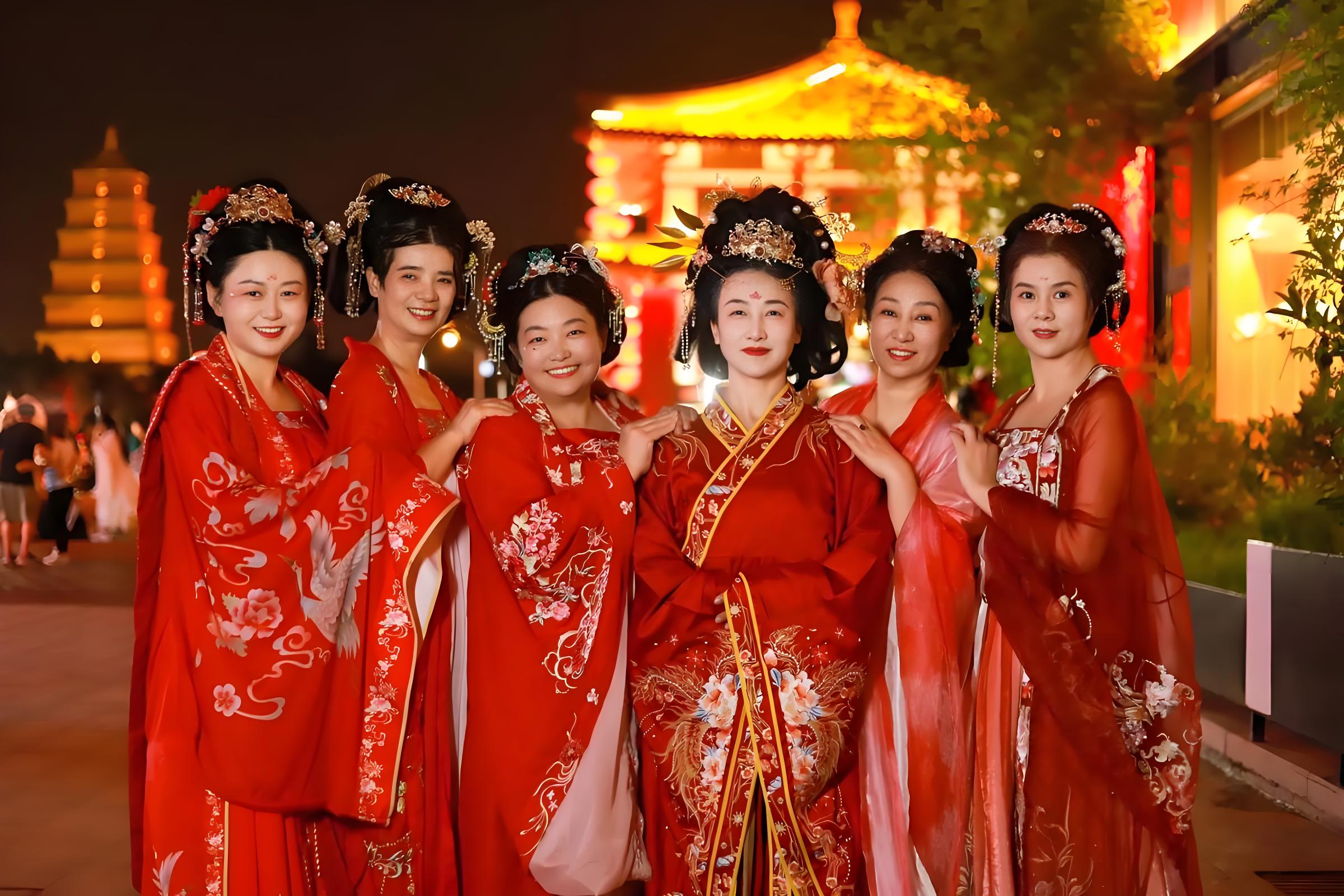
Tang Suit
Bright colors, festive occasions
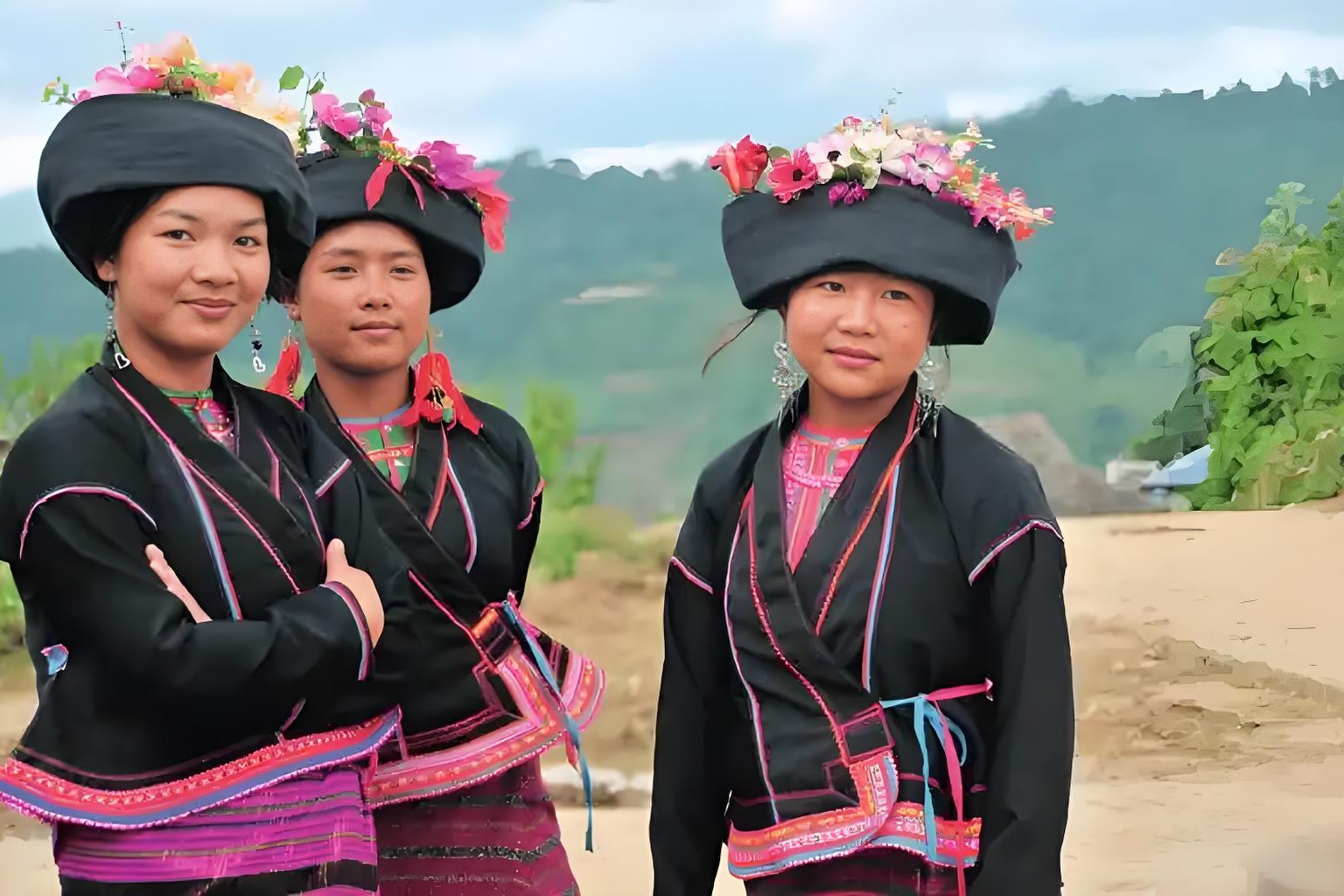
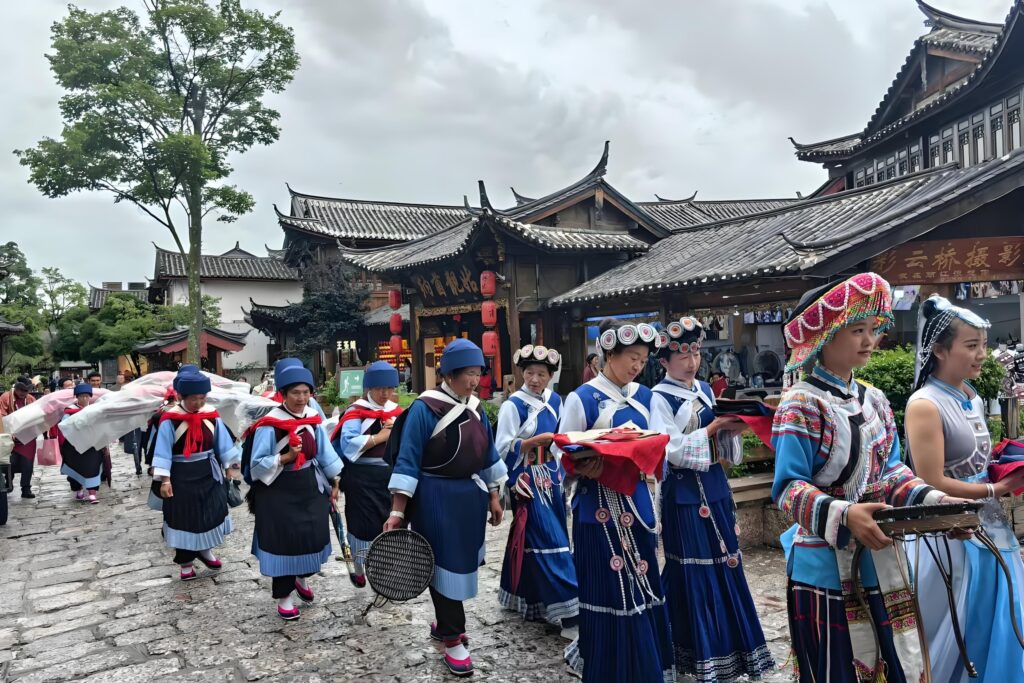
Minority Costumes
Distinct patterns, vibrant culture
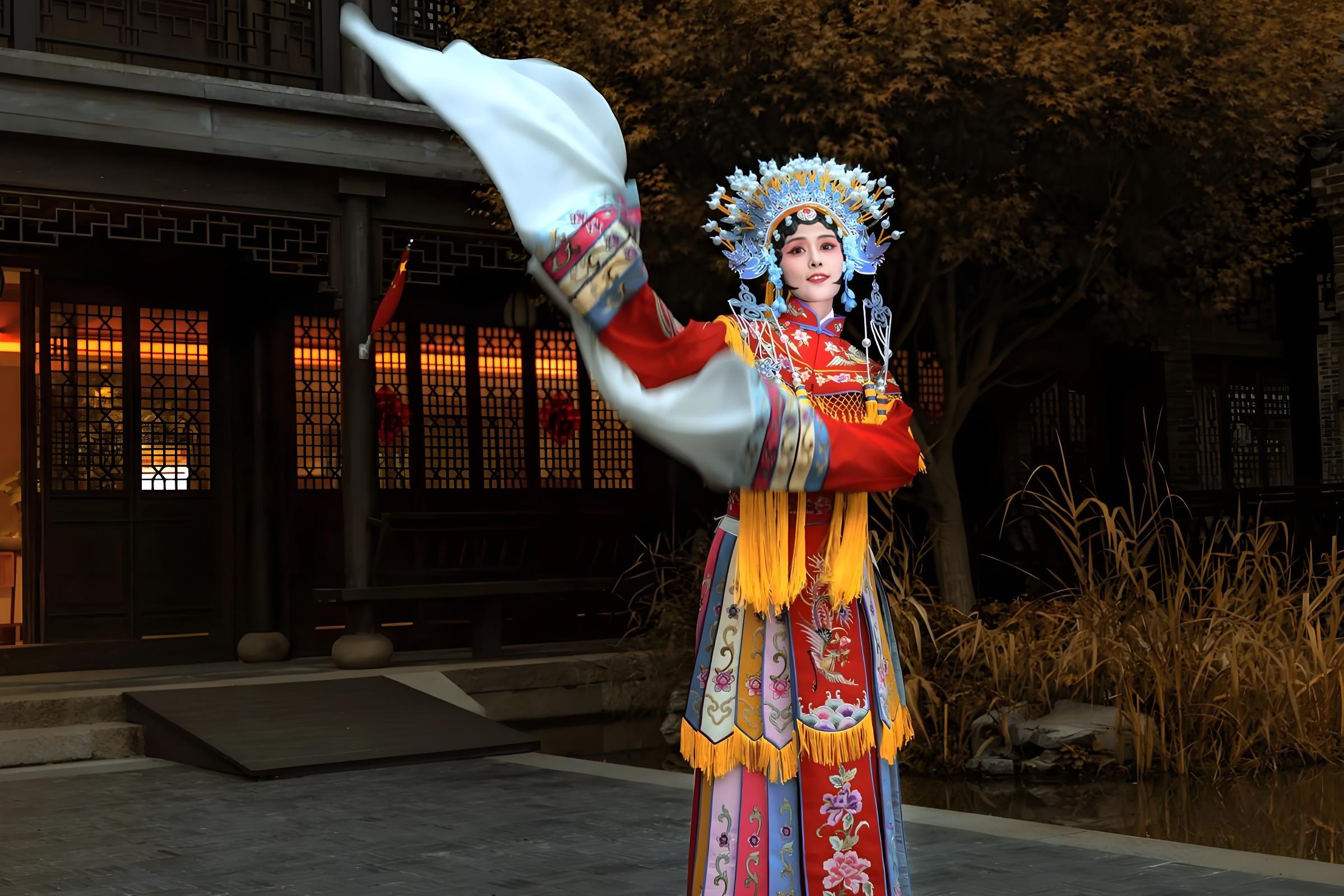
Opera Costumes
Dramatic designs for stage performance

Xiang Embroidery
Known for its delicate needlework and lifelike patterns, Xiang Embroidery from Hunan Province often depicts animals, flowers, and landscapes. The use of rich colors and fine silk threads creates a vivid, almost three-dimensional effect that has been treasured for centuries.
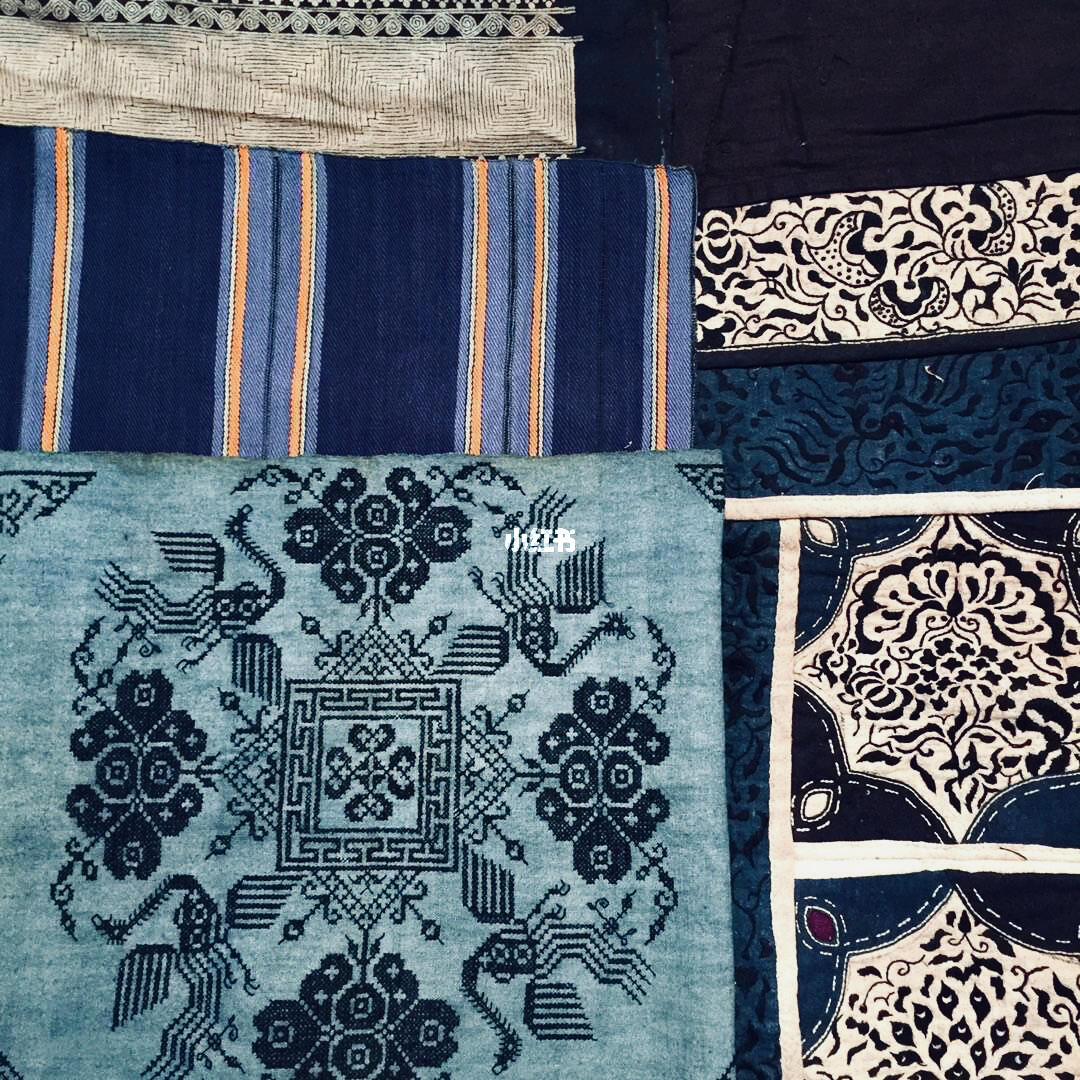
Brocade Motif
Brocade fabrics feature intricate woven designs, often incorporating gold and silver threads. These motifs, passed down through dynasties, symbolize prosperity, nobility, and timeless beauty, making them a hallmark of traditional Chinese attire.

Cloud Collar
The cloud-shaped collar is an ornamental piece worn over the shoulders, symbolizing good fortune and heavenly blessings. Its layered embroidery and colorful tassels add elegance to ceremonial clothing, especially in weddings and festivals.
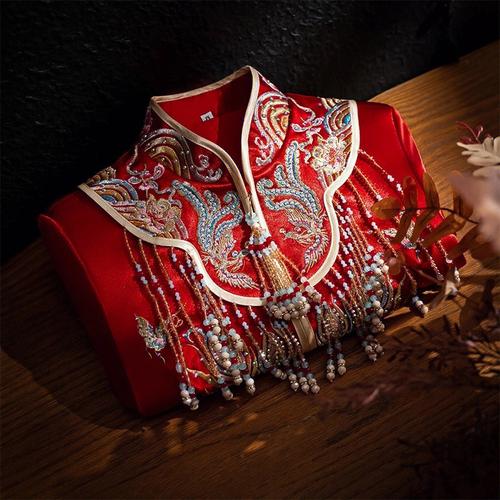
Phoenix Coronet And Ceremonial Robe
A traditional bridal headdress and robe combination, the phoenix coronet and ceremonial robe represent grace, honor, and marital happiness. The ornate headpiece, paired with richly embroidered garments, has been a symbol of high status since ancient times.